ACCCIM warns that sudden enforcement of lorry load limits may disrupt supply chains, urges authorities to review bridge weight limits first
KUALA LUMPUR, Nov 11 — The Associated Chinese Chambers of Commerce and Industry of Malaysia (ACCCIM) has warned that the sudden and blanket enforcement of lorry load limits could disrupt logistics operations and the national supply chain, even as it reaffirmed its support for the government’s efforts to enhance road safety.
KUALA LUMPUR, Nov 11 — The Associated Chinese Chambers of Commerce and Industry of Malaysia (ACCCIM) has warned that the sudden and blanket enforcement of lorry load limits could disrupt logistics operations and the national supply chain, even as it reaffirmed its support for the government’s efforts to enhance road safety.
The chamber said that while adhering to load limits is both a legal and social responsibility, current restrictions are largely determined by bridge capacities rather than vehicle specifications, creating inefficiencies across the transport sector.
“ACCCIM is concerned that existing load limits are mainly based on the carrying capacity of certain bridges—particularly on Grade A and B roads—instead of the manufacturer’s specifications,” it said in a statement yesterday.
“This has led to significant underutilisation of vehicle capacity, higher operating costs, and reduced efficiency in logistics,” it added.
The chamber urged the government to conduct a comprehensive review and upgrade of bridge and road infrastructure to align with modern vehicle load standards. In the interim, it suggested installing clear signage to indicate roads or bridges with lower permissible load limits and setting out a transparent timeline for necessary upgrades.
It also proposed empowering state and local authorities to enforce compliance and oversee infrastructure improvements.
ACCCIM further stressed that enforcement should be implemented gradually and in consultation with industry players, warning that abrupt measures could lead to delivery disruptions, increased transport costs, and project delays.
“Through closer cooperation and greater awareness between the government and industry, Malaysia can strike a balance between road safety and the smooth operation of its economic supply chains,” said ACCCIM president Datuk Ng Yih Pyng.
He added that the chamber would continue to educate its members on compliance and the long-term benefits of safer road practices.
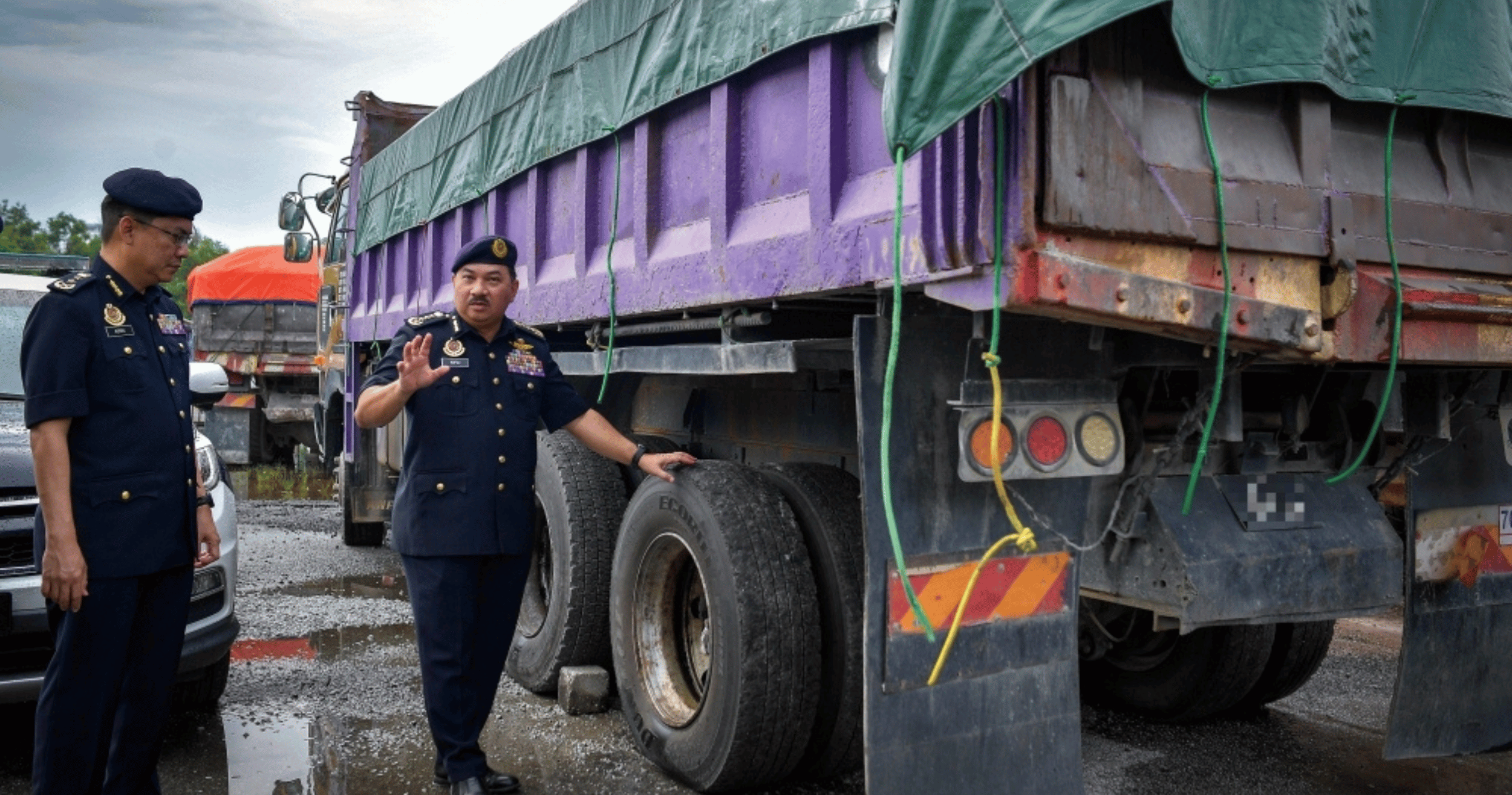
Senior JPJ Director of Enforcement Muhammad Kifli Ma Hasan (third left) shows an overloaded lorry at the Semenyih JPJ Enforcement Station on April 28, 2025. — Bernama file pic
BANGKOK, April 24 — Thailand’s Supreme Court on Friday agreed to hear a petition accusing 44 current and former opposition lawmakers of ethics violations over their 2021 move to amend a law protecting the monarchy from criticism, according to Thai media reports.
PUTRAJAYA, April 24 — The Court of Appeal today dismissed Kepala Batas MP Dr Siti Mastura’s appeal against a High Court ruling ordering her to pay RM825,000 in damages and costs for defaming three DAP leaders by linking them to former Communist Party of Malaya leader Chin Peng.
THE HAGUE, April 23 — Former Philippines president Rodrigo Duterte will stand trial at the International Criminal Court after judges on Thursday confirmed charges of crimes against humanity over his controversial “war on drugs.”