April 27, 2026
World
World
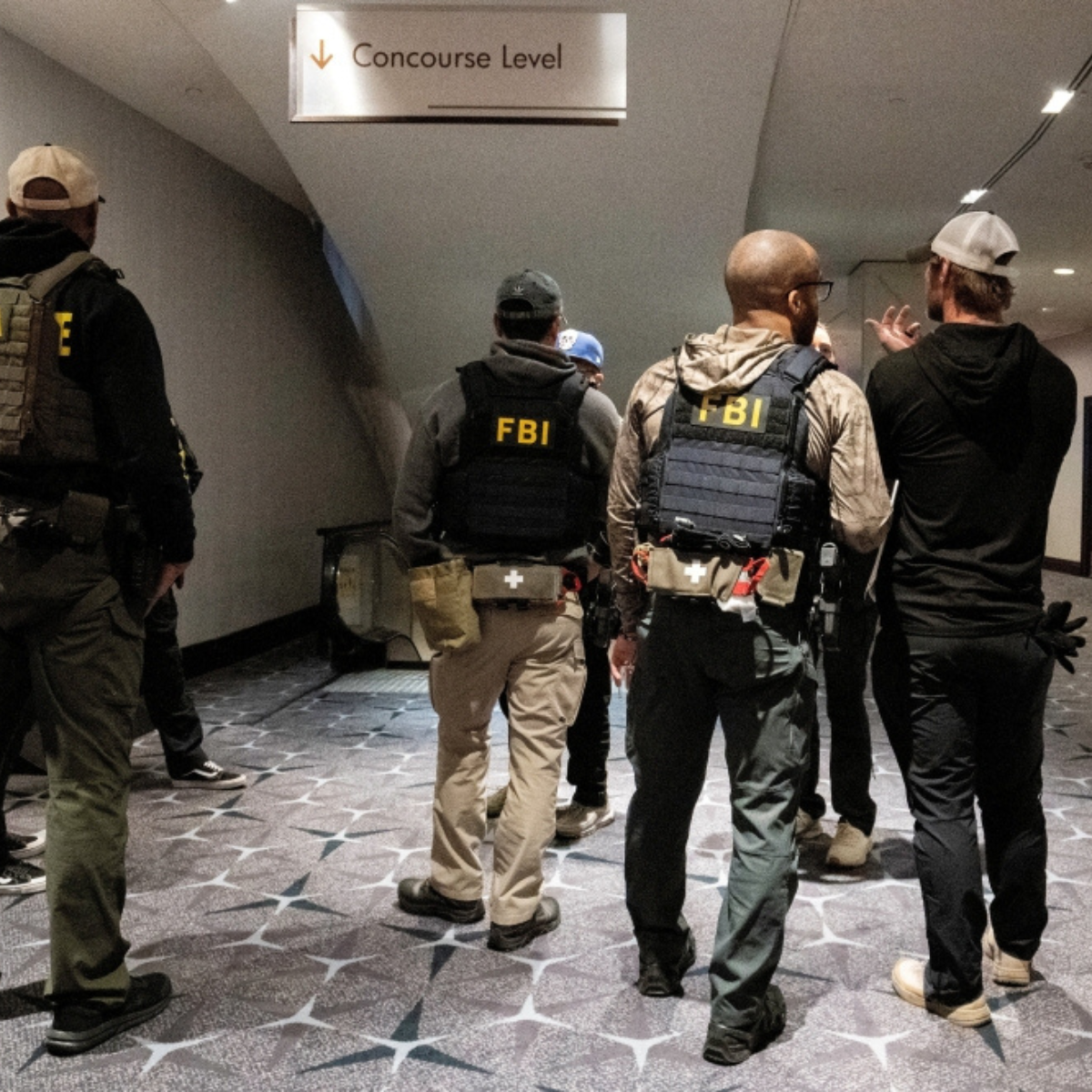
WASHINGTON, April 27 — A man accused of targeting US administration officials at a Washington event has been arrested after allegedly opening fire, injuring a Secret Service agent.

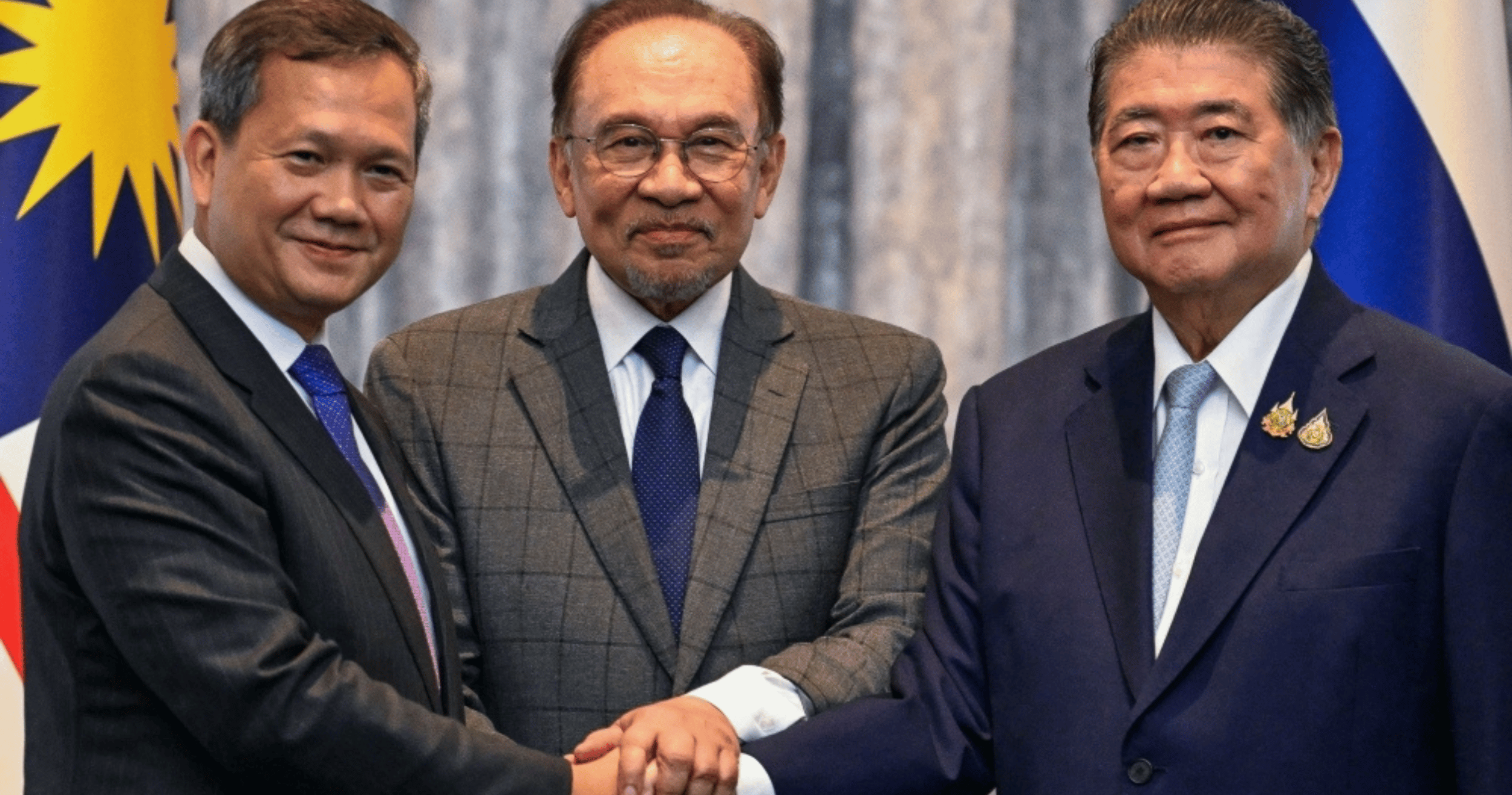
COMMENTARY, July 29 — Credit must be given to Datuk Seri Anwar Ibrahim where it’s due.


COMMENTARY, July 29 — Credit must be given to Datuk Seri Anwar Ibrahim where it’s due.
Many were uncertain how he would manage to bring two furious ASEAN neighbours back from the brink of a deadly confrontation.
Tensions escalated when a Thai Foreign Ministry spokesman, Nikorndej Balakura, stated that Thailand preferred bilateral negotiations and saw no need for third-party involvement.
Yet, the Prime Minister moved quietly and swiftly behind the scenes to broker a landmark ceasefire.
It was a complex effort — further complicated by deep-rooted historical tensions — but with the Foreign Ministry’s support, Anwar successfully mediated a resolution.
This diplomatic breakthrough bolsters his credibility ahead of Malaysia’s ASEAN Chairmanship in 2025. Advocating for regional unity would have been difficult had Thailand and Cambodia remained at war.
The five-day conflict — involving artillery exchanges and the displacement of civilians — ended with an “immediate and unconditional” ceasefire.
Anwar’s intervention was swift, effective, and rare in Southeast Asian diplomacy. His role has drawn widespread praise, not just for averting further bloodshed but for restoring ASEAN’s relevance in managing internal disputes.
While ASEAN is often criticised as a “talk shop,” this outcome proves that dialogue is far better than destruction.
Failure to mediate would have significantly damaged Anwar’s leadership image. But what stood out was his ability to navigate a ceasefire despite growing nationalist sentiment and political pressure in both Bangkok and Phnom Penh.
The involvement of international observers from the United States and China further highlighted Malaysia’s deft diplomatic balancing act. In today’s superpower-charged regional landscape, Malaysia’s non-aligned stance proved to be a strength.
Domestically, economic reform remains a central issue, but this foreign policy win gives Anwar’s leadership narrative a vital boost.
It projects Malaysia as proactive, assertive, and constructive on the global stage.
Of course, the ceasefire is only a start — not a final peace agreement. The root causes of the Thailand-Cambodia border tensions remain unresolved.
A veteran Thai journalist cautioned against premature celebration, noting that artillery fire continued even during peace talks, according to the BBC.
Still, Malaysia’s offer to host further dialogue and possibly lead a peacekeeping initiative cements its role as a long-term facilitator, not just a crisis responder.
Anwar, long seen as a reformist and consensus-builder, now adds the title of regional statesman to his portfolio.
For Malaysia, this episode is a testament to what steady diplomacy and principled leadership can achieve.
As the BBC noted, President Donald Trump’s trade threats may have applied pressure, but it was Malaysia that delivered the result.
“The world was watching — and Malaysia delivered.” — Bernama
WASHINGTON, April 27 — A man accused of targeting US administration officials at a Washington event has been arrested after allegedly opening fire, injuring a Secret Service agent.
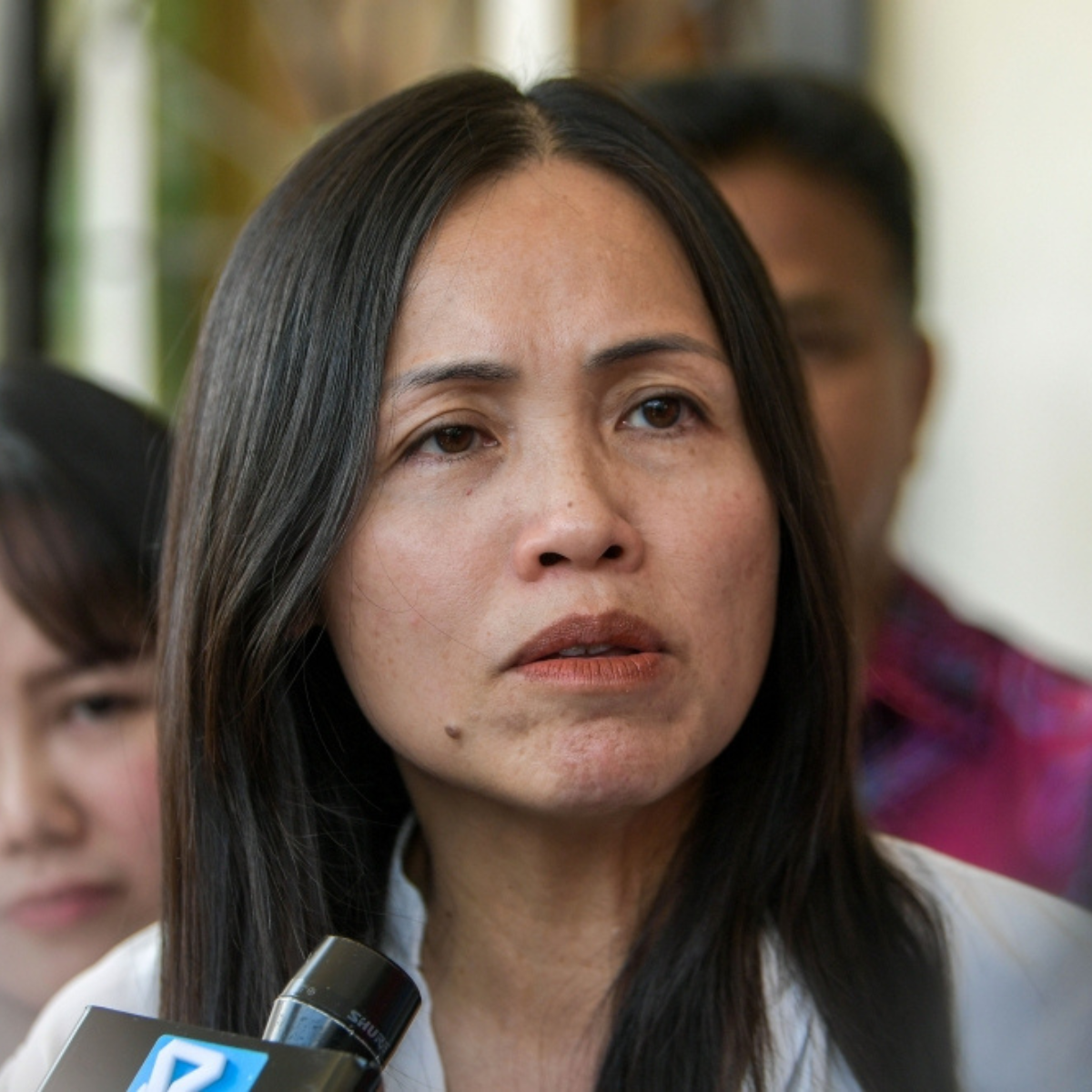
KUALA LUMPUR, April 27 — Social media platforms removed 43,618 pieces of scam-related content in the first quarter of this year, Deputy Communications Minister Teo Nie Ching said.
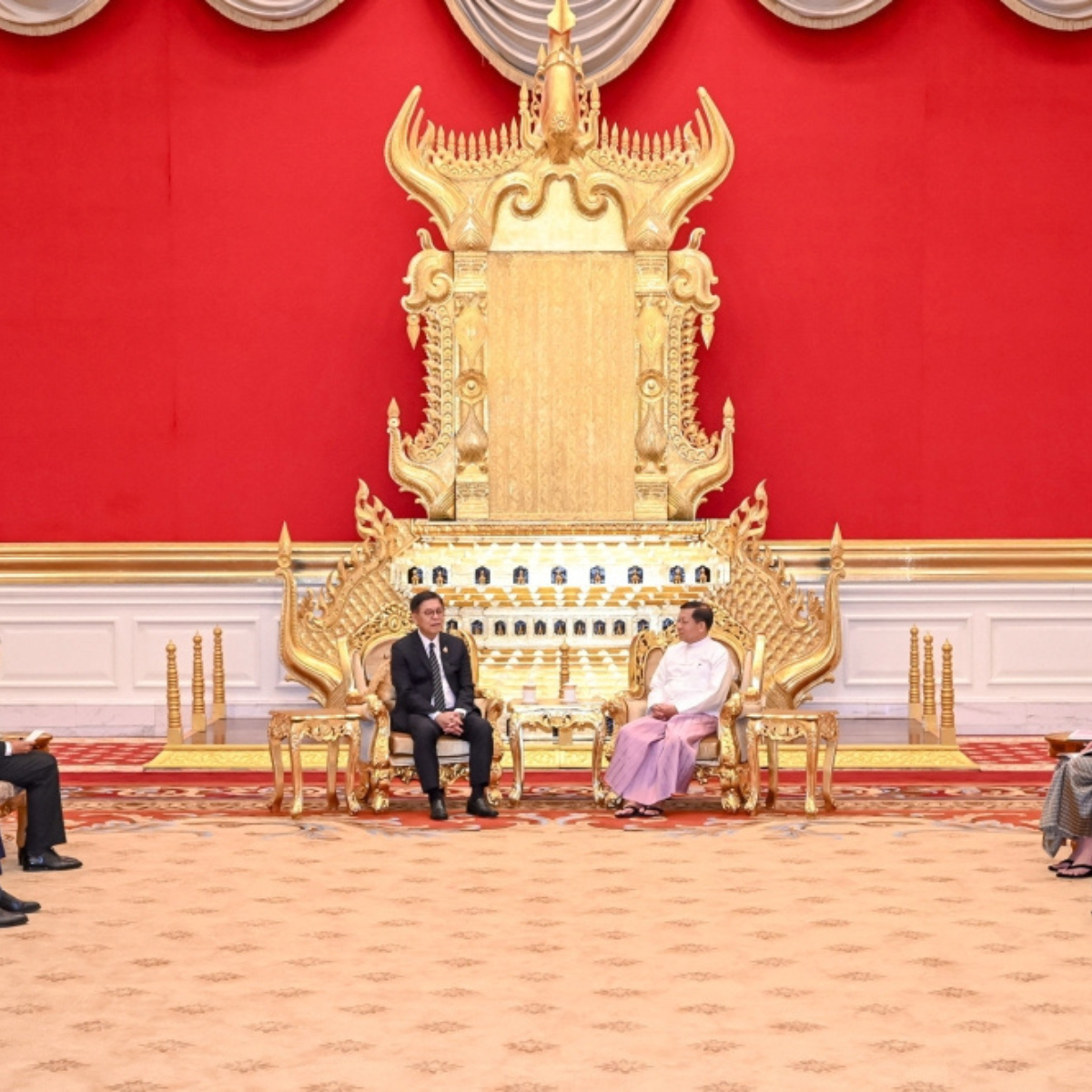
BEIJING, April 26 — China’s top diplomat Wang Yi said Beijing would “firmly support” Myanmar in safeguarding its sovereignty and security during talks with junta leader-turned-president Min Aung Hlaing.