April 27, 2026
World
World
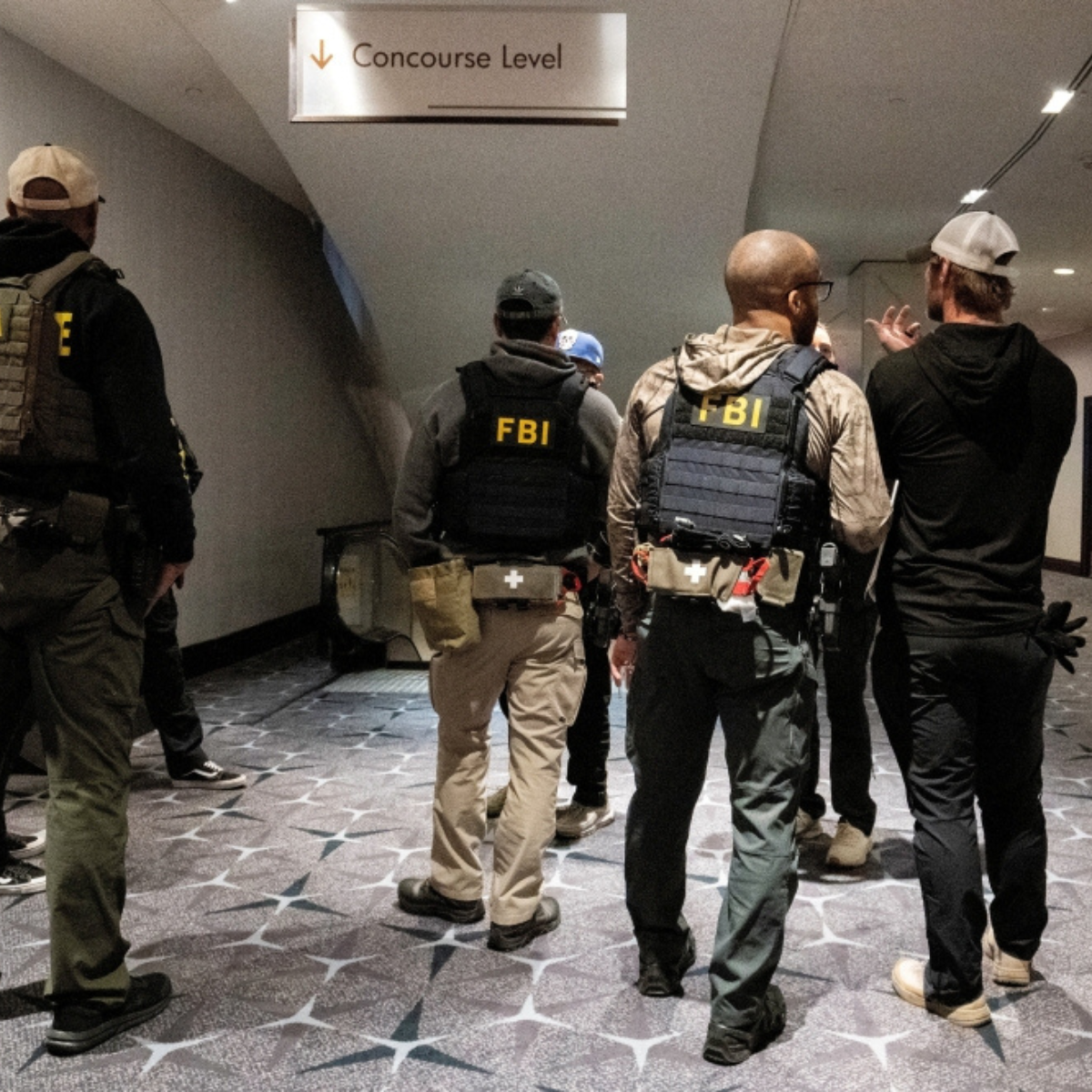
WASHINGTON, April 27 — A man accused of targeting US administration officials at a Washington event has been arrested after allegedly opening fire, injuring a Secret Service agent.

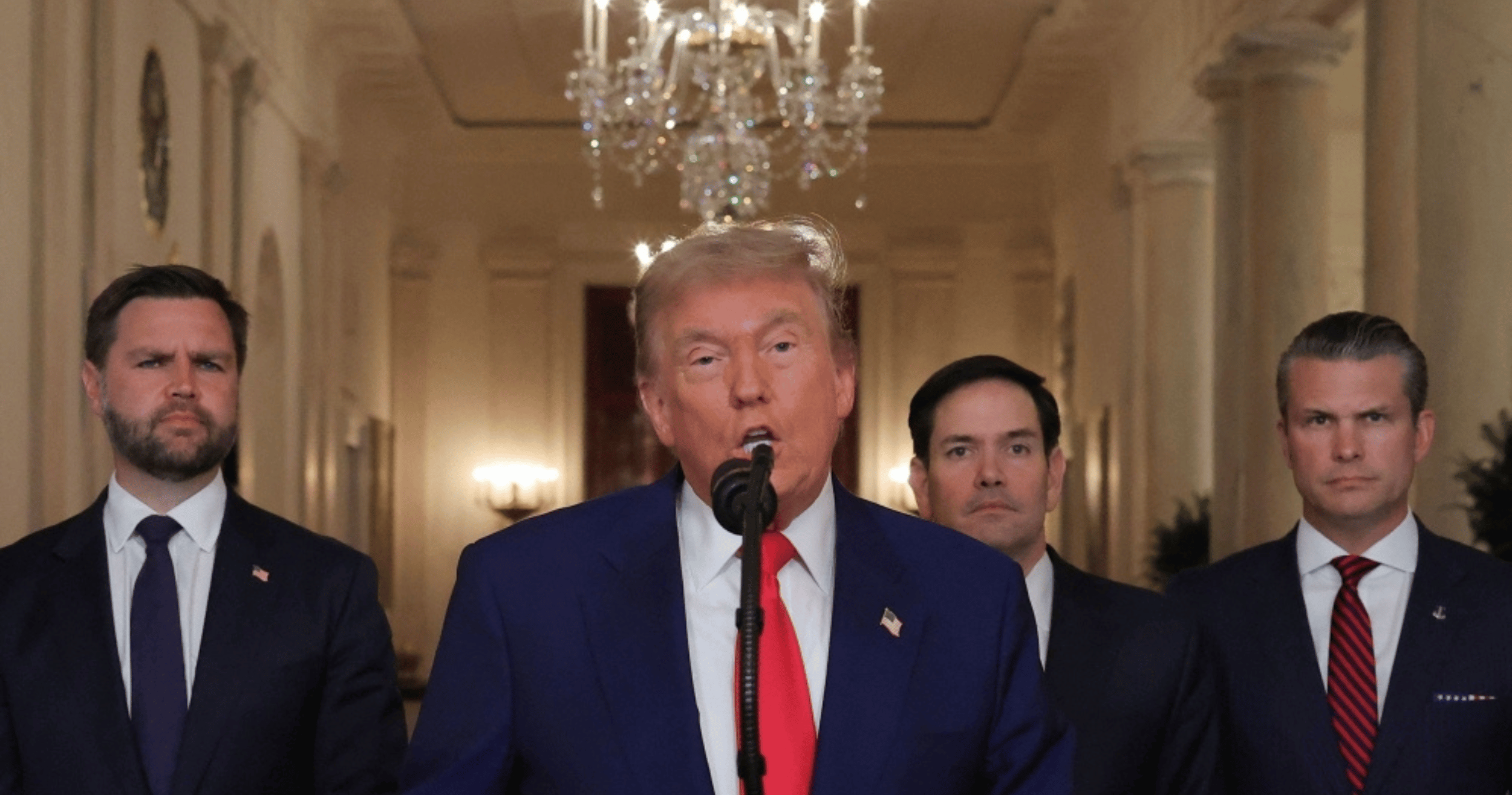
WASHINGTON, June 24 — When Donald Trump said Thursday he’d take “two weeks” to decide on bombing Iran, many dismissed it as yet another instance of the former president using a familiar delay tactic to defer difficult decisions.


WASHINGTON, June 24 — When Donald Trump said Thursday he’d take “two weeks” to decide on bombing Iran, many dismissed it as yet another instance of the former president using a familiar delay tactic to defer difficult decisions.
But by the time he left the White House for a fundraising dinner at his New Jersey golf resort the following evening, Trump had already nearly made up his mind.
Just hours after his arrival at Trump National Golf Club Bedminster on Friday night, the first B-2 stealth bombers were airborne from a US base. By Saturday, while those bombers were still en route, Trump had given the green light for airstrikes on three Iranian nuclear facilities — marking the first direct US military assault on Iran since the 1979 Islamic Revolution.
“The president issued the final order to the Secretary of Defense on Saturday,” a senior White House official told AFP, speaking on condition of anonymity.
Throughout the lead-up to the strikes, the official said Trump pursued diplomatic efforts, particularly through Special Envoy Steve Witkoff, even as the Pentagon finalized operational plans.
Strategic Misdirection
Trump’s widely quoted “two weeks” remark appeared to be part of what Defense Secretary Pete Hegseth later described as a calculated strategy of “misdirection.” This included decoy flights of B-2 bombers in the opposite direction to obscure the real mission.
Known for his flair for deal-making and unpredictability, Trump added to the ambiguity with mixed signals: he cut his G7 visit short for national security talks, launched aggressive social media salvos at Iran’s supreme leader, and responded with a cryptic “I may do it, I may not” when asked about military action.
On Thursday, Press Secretary Karoline Leavitt read a statement on his behalf suggesting there was still a “substantial” chance for talks and that he’d make a decision “within the next two weeks.”
Critics saw it as another in a string of Trump’s self-imposed deadlines — from foreign policy to domestic issues — that often went unmet. But behind the scenes, officials say, Trump was already moving decisively.
Influence and Opportunity
Trump had reportedly opposed Israeli strikes on Iran until they began on June 13. But afterward, he expressed admiration for Israel’s military success and maintained daily contact with Prime Minister Benjamin Netanyahu.
With Israel having secured air superiority over Iran, Trump saw a strategic opening to target Iran’s nuclear program — an issue he had long campaigned against.
“He was briefed daily on the Israeli operations and their impact, and used that intelligence to shape his own decision,” the senior official said. Trump also convened daily National Security Council meetings in the White House Situation Room to weigh his options.
Seeking to avoid a backlash from his conservative base wary of prolonged Middle Eastern wars, Trump even consulted with former adviser Steve Bannon for support and guidance
Stealth Execution
Throughout, secrecy was tightly maintained.
Trump avoided reporters entirely upon his return to the White House on Saturday evening, arriving at exactly 6pm. The timing wasn’t coincidental: the first B-2 bomber dropped its payload just 40 minutes later, at 6:40pm US time (2:10am Sunday in Iran), followed by submarine-launched Tomahawk missile strikes at 7:05pm.
At 7:50pm, Trump declared the mission a “very successful” operation in a post on Truth Social, shortly before the White House released images of a solemn Trump in the Situation Room, wearing his signature red “Make America Great Again” cap.
“This was a highly classified mission with only a select few in Washington aware of its timing or details,” said Joint Chiefs Chairman Dan Caine on Sunday.
What Comes Next?
Despite the success of the strike, challenges remain. Trump met with senior officials again Monday in the Oval Office to assess Iran’s retaliation earlier in the day.
Questions linger over the effectiveness of the operation: did the strikes completely disable Iran’s nuclear infrastructure, as claimed? Will further military action follow?
And perhaps most critically, is regime change now on the table?
On Sunday, Trump reignited that possibility with a provocative Truth Social post: “If the current Iranian Regime is unable to MAKE IRAN GREAT AGAIN, why wouldn’t there be a Regime change???” — AFP
WASHINGTON, April 27 — A man accused of targeting US administration officials at a Washington event has been arrested after allegedly opening fire, injuring a Secret Service agent.
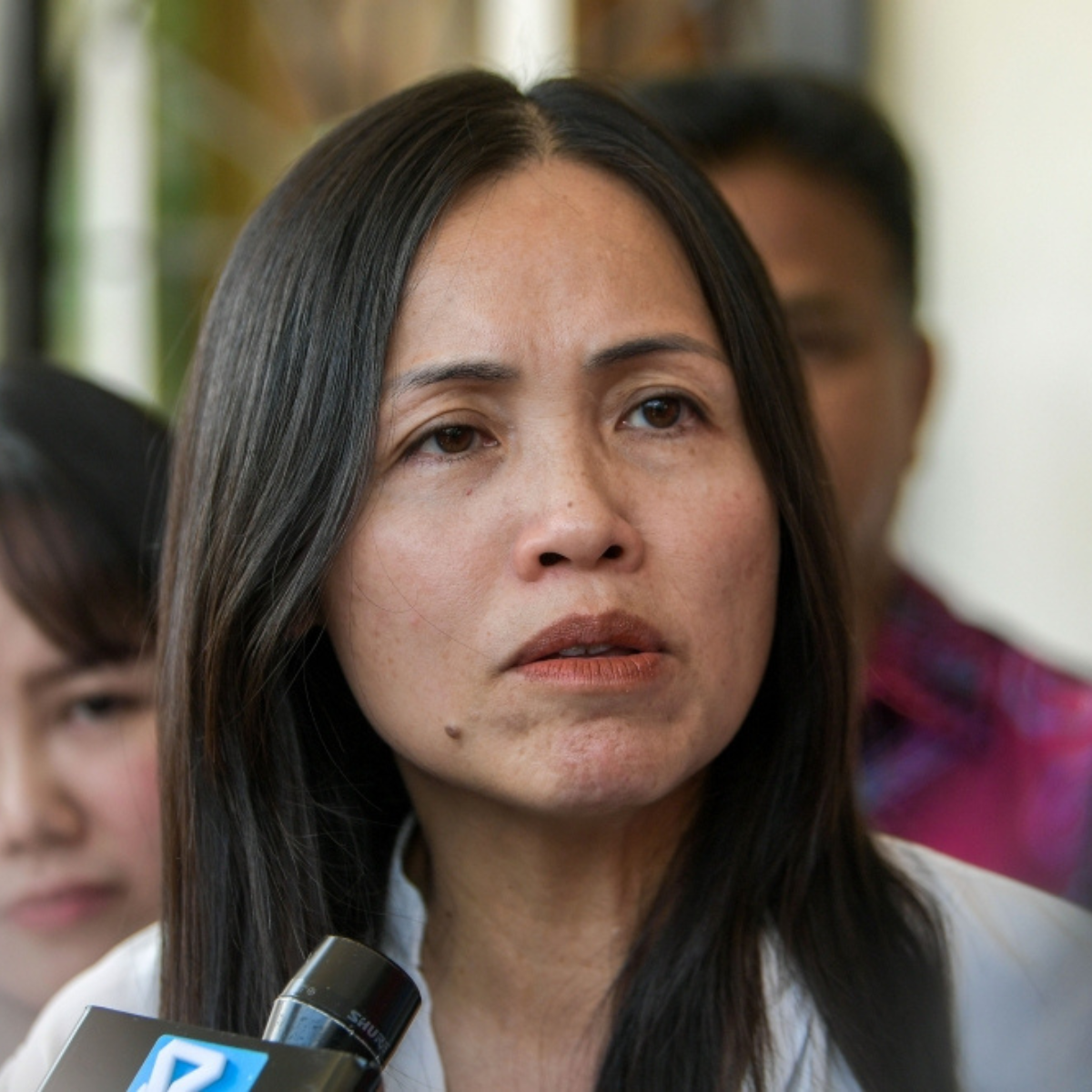
KUALA LUMPUR, April 27 — Social media platforms removed 43,618 pieces of scam-related content in the first quarter of this year, Deputy Communications Minister Teo Nie Ching said.
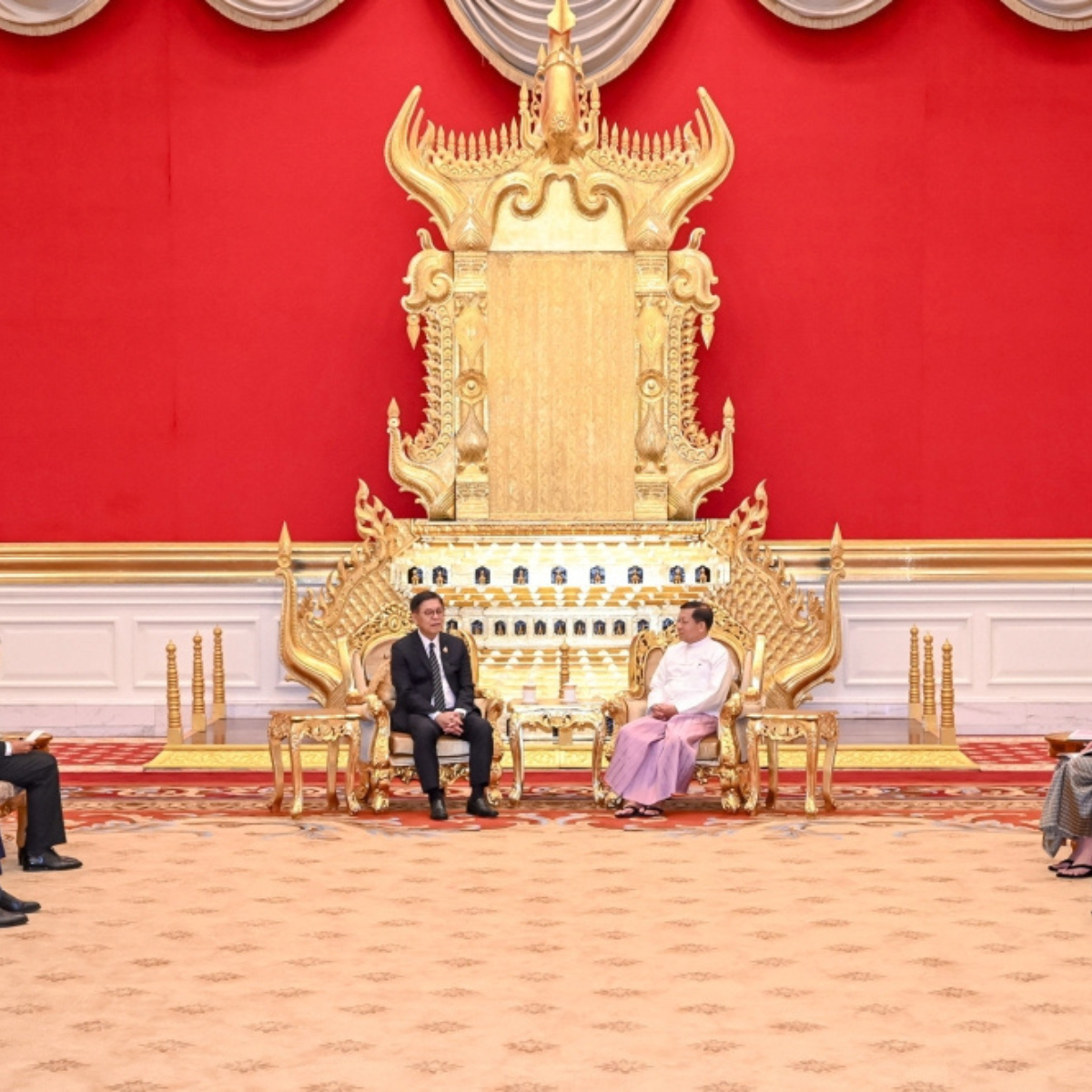
BEIJING, April 26 — China’s top diplomat Wang Yi said Beijing would “firmly support” Myanmar in safeguarding its sovereignty and security during talks with junta leader-turned-president Min Aung Hlaing.