July 6, 2026
World
World

MANILA, July 6 — The Philippine Senate is set to begin Vice President Sara Duterte’s impeachment trial today, a high-stakes process that could decide her political future and derail a possible 2028 presidential bid.


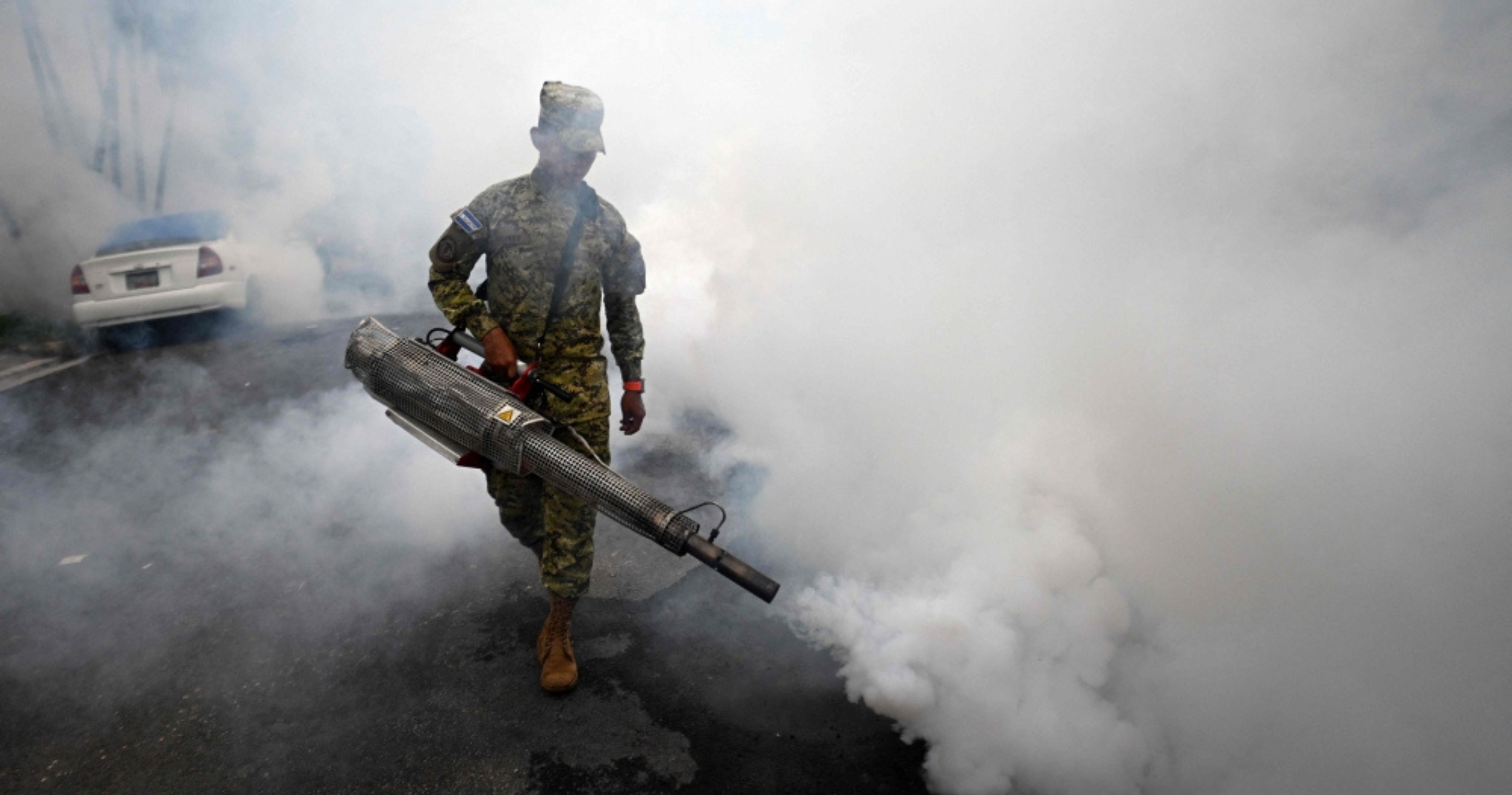
KUALA LUMPUR, July 6 — Dengue-related deaths in Malaysia have increased by 66.7 per cent this year, alongside a nearly 30 per cent rise in infections, although the Health Ministry (MoH) said the situation remains under control and consistent with the country’s normal transmission cycle.


KUALA LUMPUR, July 6 — Dengue-related deaths in Malaysia have increased by 66.7 per cent this year, alongside a nearly 30 per cent rise in infections, although the Health Ministry (MoH) said the situation remains under control and consistent with the country’s normal transmission cycle.
According to the New Straits Times (NST), 38,854 dengue cases were recorded up to June 27, marking a 29.1 per cent increase compared to the same period last year. During the same period, fatalities rose from 18 to 30.
The ministry said the surge was linked to a shift in the dominant dengue virus strain from DENV-2 to DENV-3, as well as factors such as rapid urbanisation, weather conditions, persistent mosquito breeding grounds, and increased population movement.
A ministry spokesman told NST that public health responses are guided by data-driven assessments and scientific evidence rather than alarm.
He said epidemiological monitoring showed no abnormal deviation from Malaysia’s typical dengue cycle, with higher case numbers concentrated in fast-developing areas where construction activities have created favourable conditions for mosquito breeding.
The ministry has directed state and district health offices to intensify vector control efforts, including targeted fogging, expanded Targeted Outdoor Residual Spraying (TORS) in persistent hotspots, and community-based initiatives under Komuniti Bebas Denggi (KomBeD).
It is also enhancing digital surveillance by incorporating predictive tools that analyse climate, rainfall, temperature, and geospatial data to identify high-risk areas and improve early detection of transmission patterns.
The spokesman added that Malaysia continues to share surveillance data and best practices with regional partners such as Singapore and Thailand, noting that dengue remains a shared public health challenge in the region.
While Malaysia’s incidence rate is currently higher than Singapore and Thailand, he said all three countries continue to report manageable levels of dengue.
He also said existing resources are sufficient to manage the current situation and scale up interventions when needed, while urging the public to eliminate stagnant water around their homes and seek prompt medical attention if symptoms arise.
MANILA, July 6 — The Philippine Senate is set to begin Vice President Sara Duterte’s impeachment trial today, a high-stakes process that could decide her political future and derail a possible 2028 presidential bid.
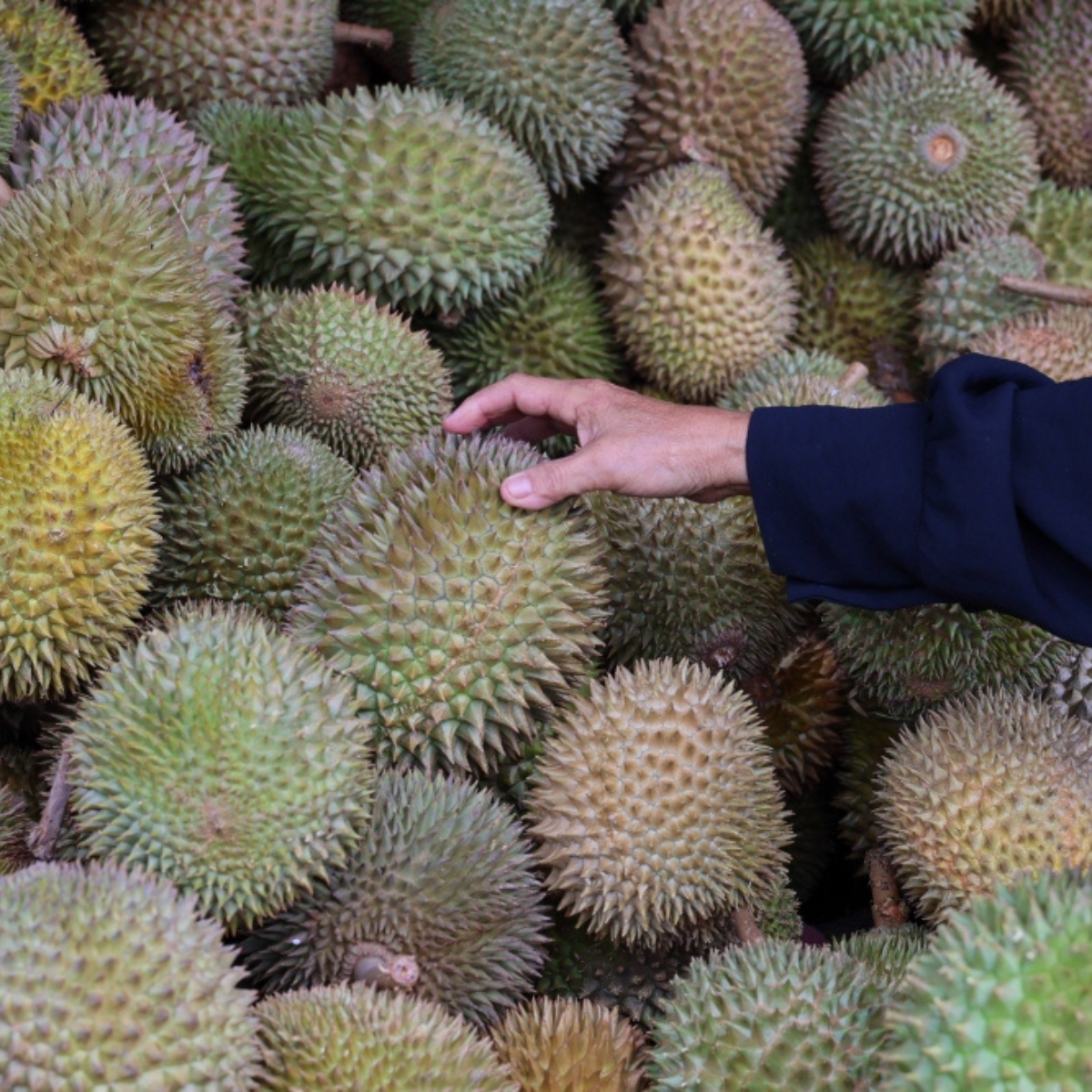
TANGKAK, July 6 — The issue of falling durian prices following a near-simultaneous peak harvest season across Peninsular Malaysia has caught the attention of Prime Minister Datuk Seri Anwar Ibrahim, who said he will raise the matter with Chinese Premier Li Qiang during his upcoming visit to China next month.

BEIJING, July 5 — Iran’s ambassador to China has said that ships passing through the Strait of Hormuz will be subject to new charges, while indicating that “friendly” countries may receive preferential treatment, a proposal opposed by Washington.