WASHINGTON, Oct 11 — For a month, the family of Roberto Mosquera had no idea where he was after being detained by US immigration officers — until a government social media post revealed he had been deported to Eswatini, Africa’s last absolute monarchy.
The 58-year-old Cuban was taken into custody on June 13 during a routine immigration check-in in Miramar, Florida, said Ada, a close family friend who spoke to AFP under a pseudonym, fearing retaliation. She said officials initially told the family Mosquera had been sent back to Cuba — the country he left over 40 years ago as a teenager.
But on July 16, Ada recognised her childhood friend in a photo posted on X by US Assistant Homeland Security Secretary Tricia McLaughlin, announcing that Mosquera and four others had been deported to Eswatini — a country Ada had never heard of, located between South Africa and Mozambique.
According to documents seen by AFP, the deportations were part of an agreement in which Eswatini would accept up to 160 deportees in exchange for US$5.1 million (RM21.5 million) in funding to strengthen its border and migration management systems.
Among those deported with Mosquera were nationals from Jamaica, Laos, Vietnam and Yemen. While Washington described the group as “criminals” convicted of serious offences such as child rape and murder, lawyers and family members said they had already served their sentences and had been living legally in the US for years.
Once in Eswatini, the men were imprisoned without charge in a maximum-security facility, denied legal representation, and permitted only brief, supervised weekly video calls with family, according to lawyers.
“The men are trapped in a legal black hole,” said US-based attorney Tin Thanh Nguyen.
McLaughlin’s post portrayed Mosquera and the others as “individuals so uniquely barbaric that their home countries refused to take them back.” In the accompanying photo, Mosquera appeared with a white beard and tattoos, described as a “Latin King gang member” convicted of “first-degree murder.”
But Ada insisted, “He’s not the monster they claim.”
Court records reviewed by AFP show Mosquera was convicted of attempted murder — not homicide — in 1989 and served nine years in prison. He was later jailed again in 2009 for offences including grand theft auto and assaulting a law enforcement officer.
“After his release, Roberto completely turned his life around,” Ada said. “He got married, had four daughters, worked steadily, and spoke out against gang violence.”
Although his legal residency was revoked after his first conviction, Mosquera had lived in the US for decades because Cuba often refuses deportees. He regularly reported to immigration authorities and had been employed by a plumbing company for 13 years until his unexpected detention.
Lawyers said the deportations stemmed from a Trump-era initiative that sought to send migrants to “third countries,” including Ghana, Rwanda, and South Sudan — arrangements condemned by human rights advocates as opaque and unethical.
The deportees were unaware of their destination until moments before landing in Eswatini. “ICE handed them notices mid-flight. None of them signed,” said Nguyen. “It’s like modern-day human trafficking through official channels.”
Attempts by local attorney Sibusiso Nhlabatsi to represent the detainees were blocked by prison officials, who falsely claimed the men had refused legal help. When US lawyers sought private calls, prison authorities denied them, saying, “This is not like in the US.”
Nhlabatsi later won court approval to represent the men, but the government appealed immediately, suspending the ruling. “No one wants to challenge the king or the prime minister,” Nguyen said, describing the situation as endless bureaucratic obstruction.
Eswatini has pledged to return all the deportees to their home countries, but only one — Jamaican national Orville Etoria — has been repatriated so far. Released in September, Etoria is still struggling to adjust to life in a country he left 50 years ago.
“If the US had just deported him directly to Jamaica, that would have been difficult enough,” said his lawyer, Mia Unger. “Instead, they sent him halfway across the world, locked him up without charges, and kept his family in the dark. The cruelty is staggering.”
Eswatini’s government, often accused of repressing dissent, has disclosed few details about its arrangement with Washington. Nguyen said a new batch of 10 deportees recently arrived — including citizens of Vietnam, the Philippines, and Cambodia.
“No matter what their past crimes were, they’re being used as bargaining chips in a deal that trades human lives for money,” said US lawyer Alma David.
Ada, who recently spoke to Mosquera in a brief video call, said he appeared frail and had lost weight. “This has devastated his family,” she said tearfully. “It’s inhumane — like a death sentence.” — AFP
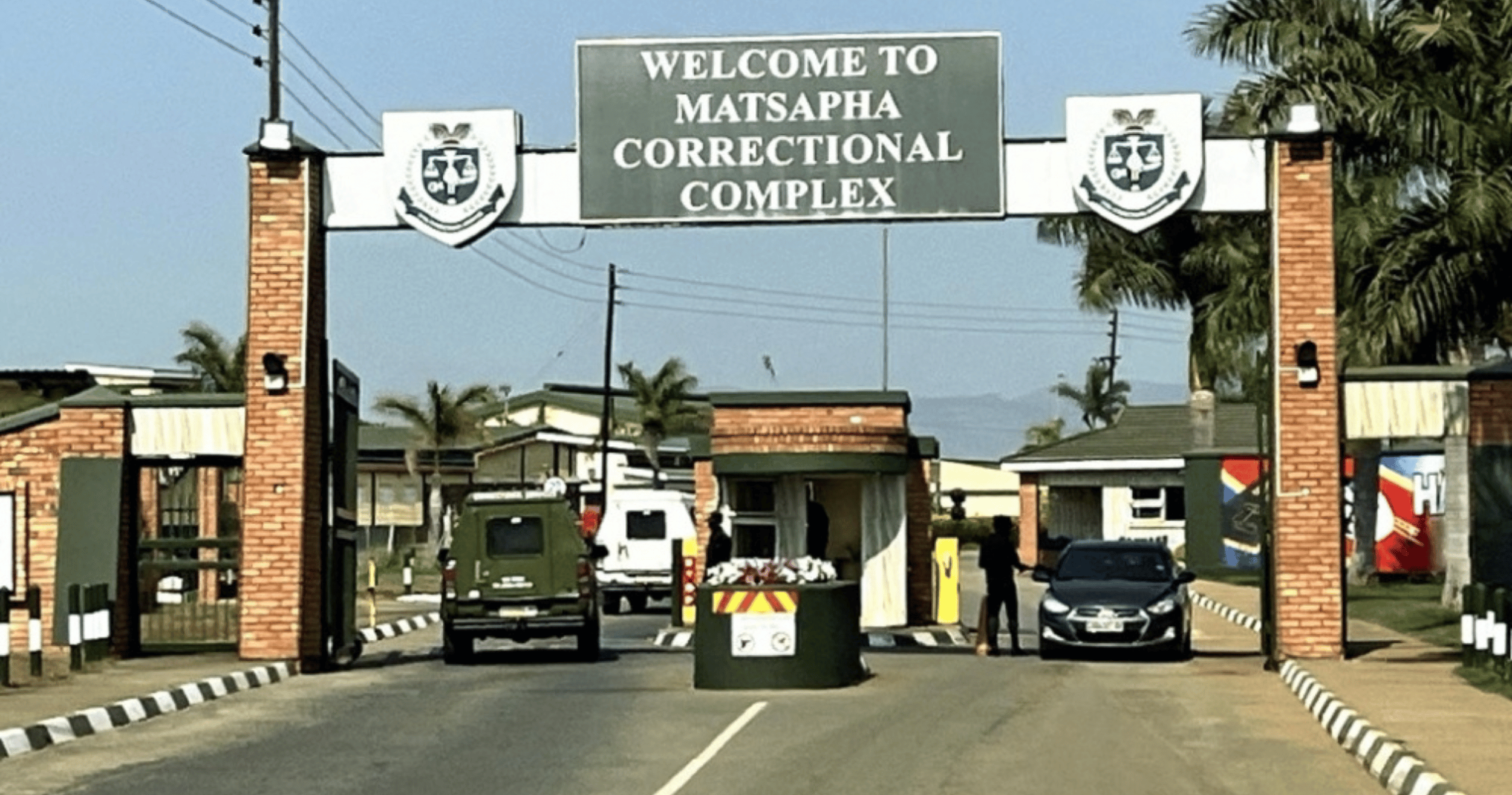
A photo shows a prison checkpoint where deportees from the United States with criminal records in Matsapha, central Eswatini, on September 10, 2025. The Trump administration is progressively deporting illegal immigrants to other countries. Individuals with serious criminal records are being deported to Africa, and citizens are protesting, citing the threat to public safety. — Minako Sasako/Yomiuri/The Yomiuri Shimbun pic via AFP
BANGKOK, April 24 — Thailand’s Supreme Court on Friday agreed to hear a petition accusing 44 current and former opposition lawmakers of ethics violations over their 2021 move to amend a law protecting the monarchy from criticism, according to Thai media reports.
PUTRAJAYA, April 24 — The Court of Appeal today dismissed Kepala Batas MP Dr Siti Mastura’s appeal against a High Court ruling ordering her to pay RM825,000 in damages and costs for defaming three DAP leaders by linking them to former Communist Party of Malaya leader Chin Peng.
THE HAGUE, April 23 — Former Philippines president Rodrigo Duterte will stand trial at the International Criminal Court after judges on Thursday confirmed charges of crimes against humanity over his controversial “war on drugs.”