Indonesia’s Mount Marapi erupts, blanketing West Sumatra with ash clouds
JAKARTA, Oct 14 — Indonesia’s Mount Marapi erupted early Tuesday, releasing volcanic ash over parts of West Sumatra and prompting authorities to advise residents and tourists to stay away from the area, particularly within a three-kilometre radius of the main crater, Verbeek.
JAKARTA, Oct 14 — Indonesia’s Mount Marapi erupted early Tuesday, releasing volcanic ash over parts of West Sumatra and prompting authorities to advise residents and tourists to stay away from the area, particularly within a three-kilometre radius of the main crater, Verbeek.
The eruption, which occurred at 3.52am local time, was recorded by the Centre for Volcanology and Geological Hazard Mitigation with a maximum seismic amplitude of 30.4 millimetres and lasting one minute and 11 seconds.
Dense fog limited visibility around the crater, but ash drifted northeast toward Batu Palano in Agam district. By 9am, conditions had improved, though roads and houses were still covered in ash.
“Fog continues to blanket the crater area, and light ashfall has eased. However, ash on the roads can easily become airborne again when vehicles pass,” said National Disaster Management Agency (BNPB) spokesman Abdul Muhari in a statement.
Authorities have urged residents to remain indoors unless necessary and have distributed face masks to prevent respiratory issues. Those living near rivers flowing down the volcano’s slopes were also warned to stay alert for potential lahar flows — fast-moving mudslides formed by a mix of volcanic ash, rock, and rainwater.
Mount Marapi remains at Level II or “Alert” status, the second tier of Indonesia’s four-level volcano alert system, indicating increased activity above normal but no immediate risk of a major eruption.
Abdul Muhari added that signs of magmatic or hydrothermal activity have been observed, but the danger remains confined to the crater area, where toxic gases may still pose a hazard.
Mount Marapi, one of Sumatra’s most active volcanoes, last erupted in December 2023, killing more than 20 climbers. — Bernama
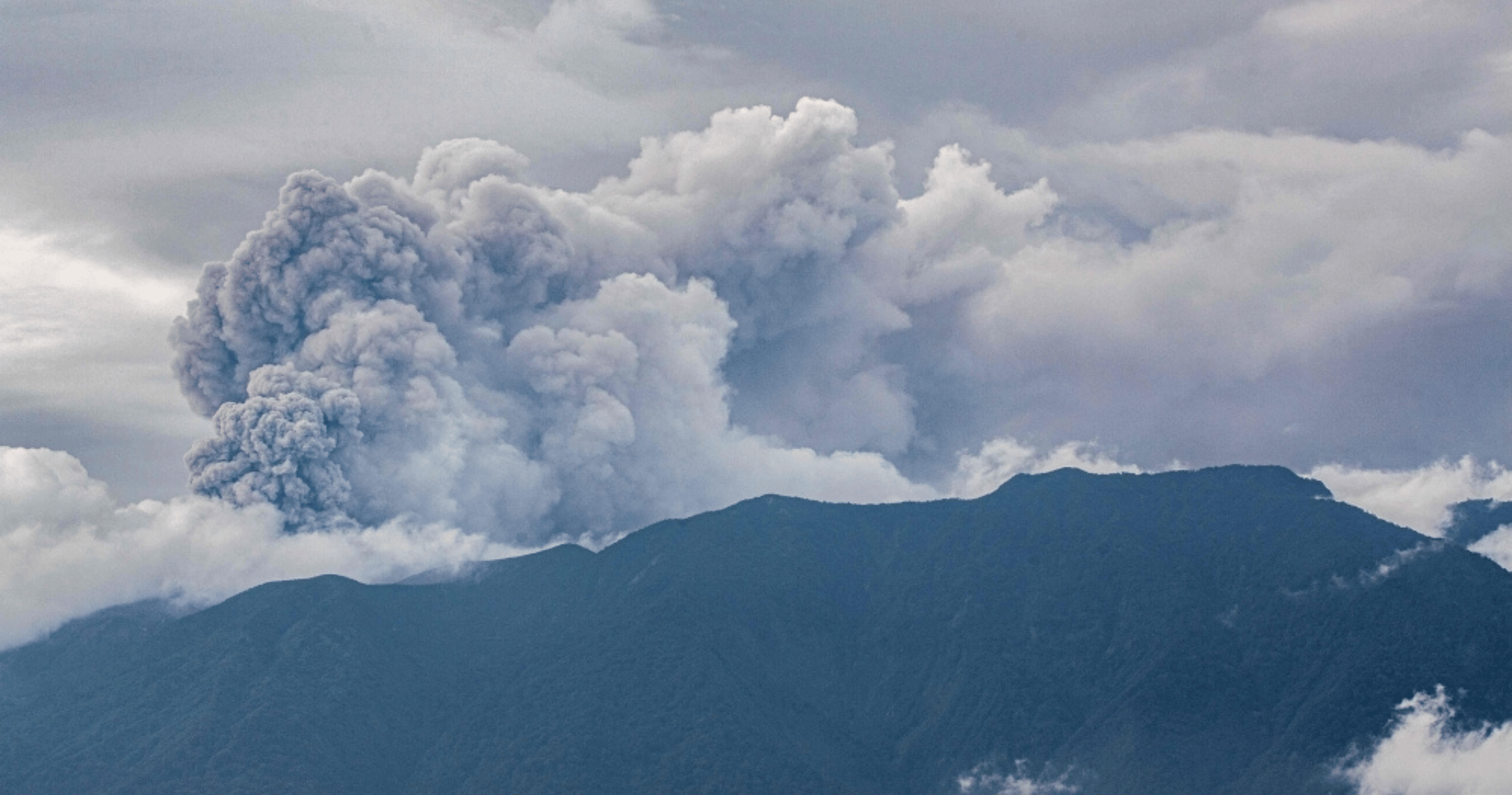
File picture of volcanic ash spewing from Mount Marapi during an eruption as seen from Tanah Datar in West Sumatra on December 3, 2023. Mount Marapi erupted early Tuesday, spewing volcanic ash over parts of West Sumatra and prompting authorities to warn residents and visitors to steer clear of the area and avoid any activity within three kilometres of the main crater, known as Verbeek. — AFP pic
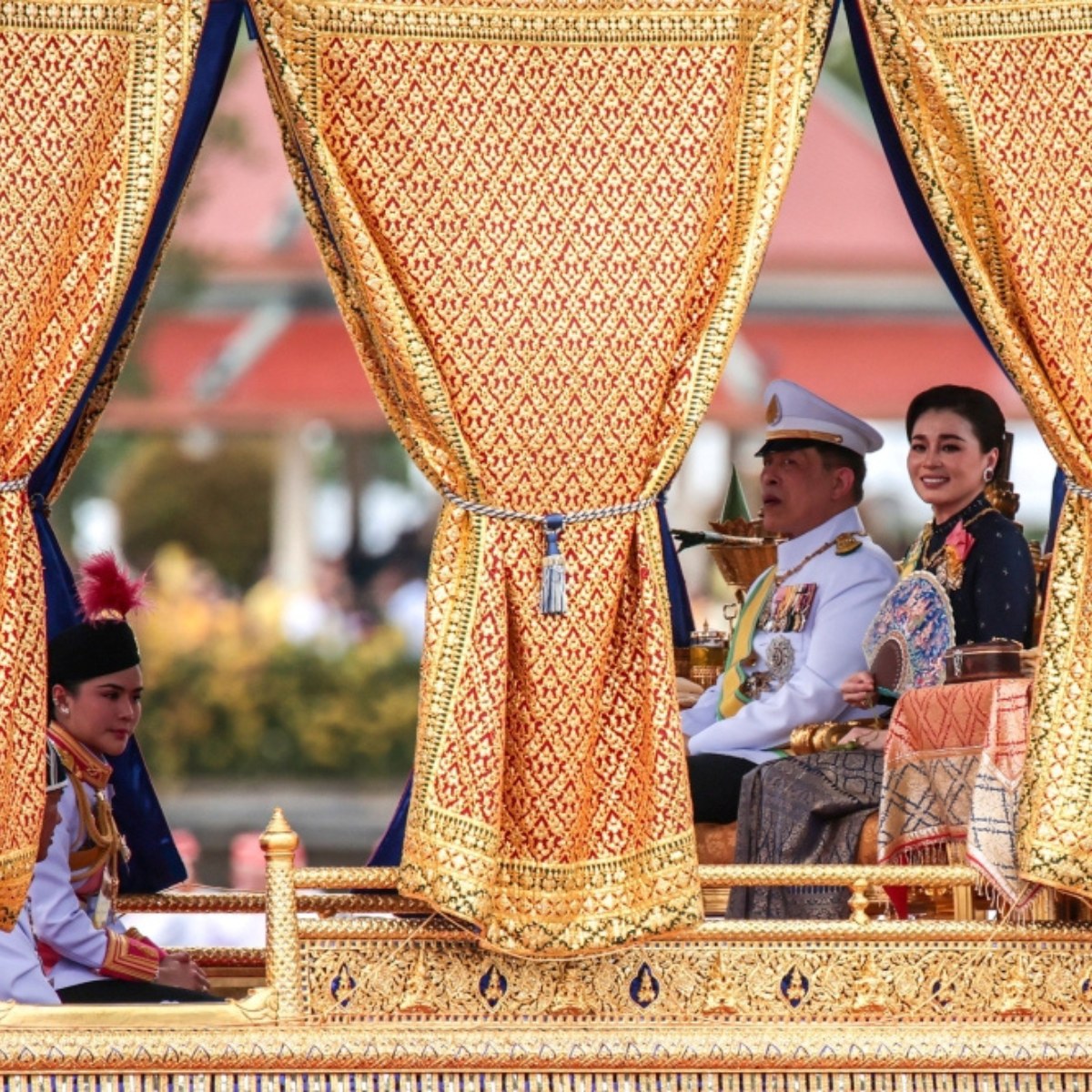
BANGKOK, April 24 — Thailand’s Supreme Court on Friday agreed to hear a petition accusing 44 current and former opposition lawmakers of ethics violations over their 2021 move to amend a law protecting the monarchy from criticism, according to Thai media reports.
PUTRAJAYA, April 24 — The Court of Appeal today dismissed Kepala Batas MP Dr Siti Mastura’s appeal against a High Court ruling ordering her to pay RM825,000 in damages and costs for defaming three DAP leaders by linking them to former Communist Party of Malaya leader Chin Peng.
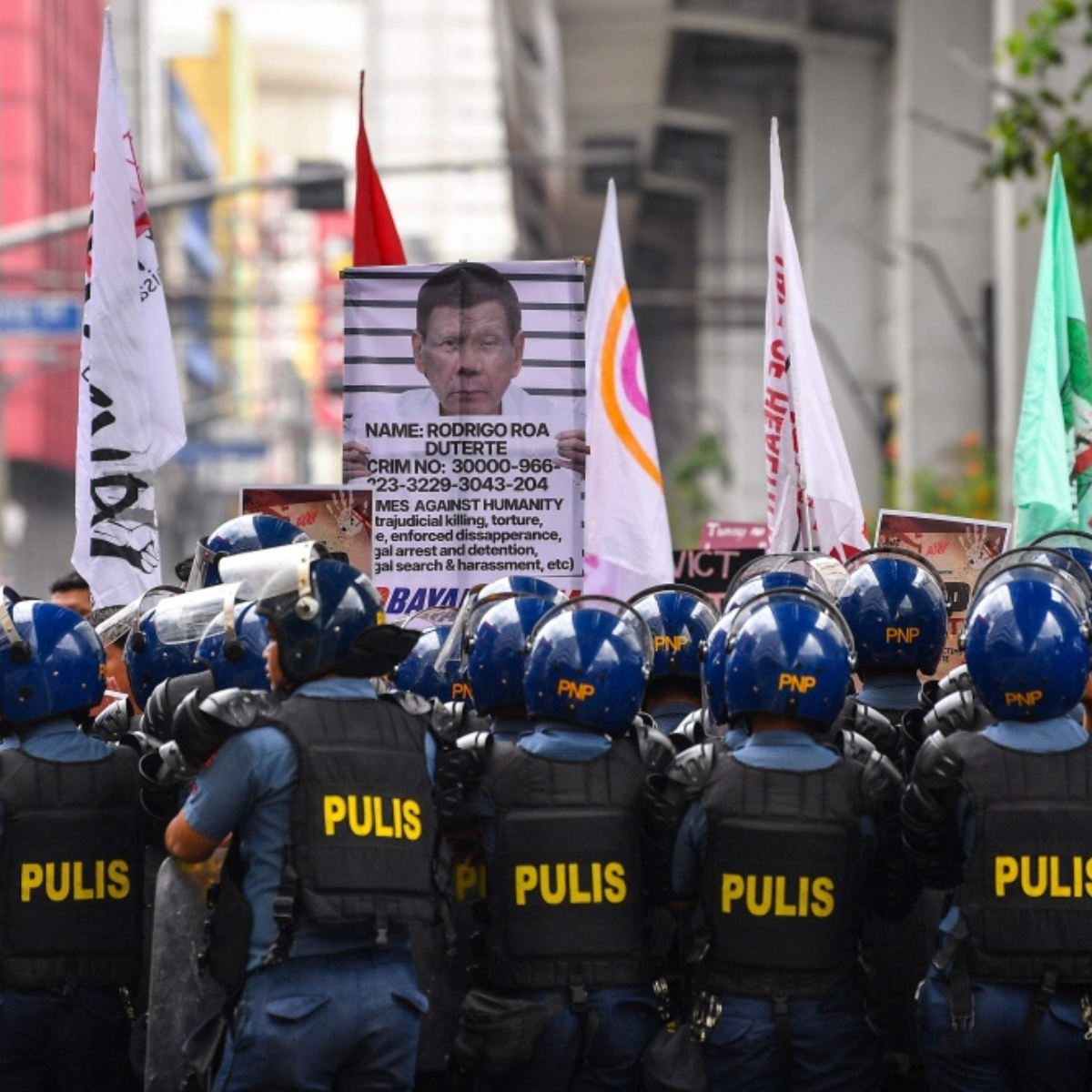
THE HAGUE, April 23 — Former Philippines president Rodrigo Duterte will stand trial at the International Criminal Court after judges on Thursday confirmed charges of crimes against humanity over his controversial “war on drugs.”