January 23, 2026
Local
Local
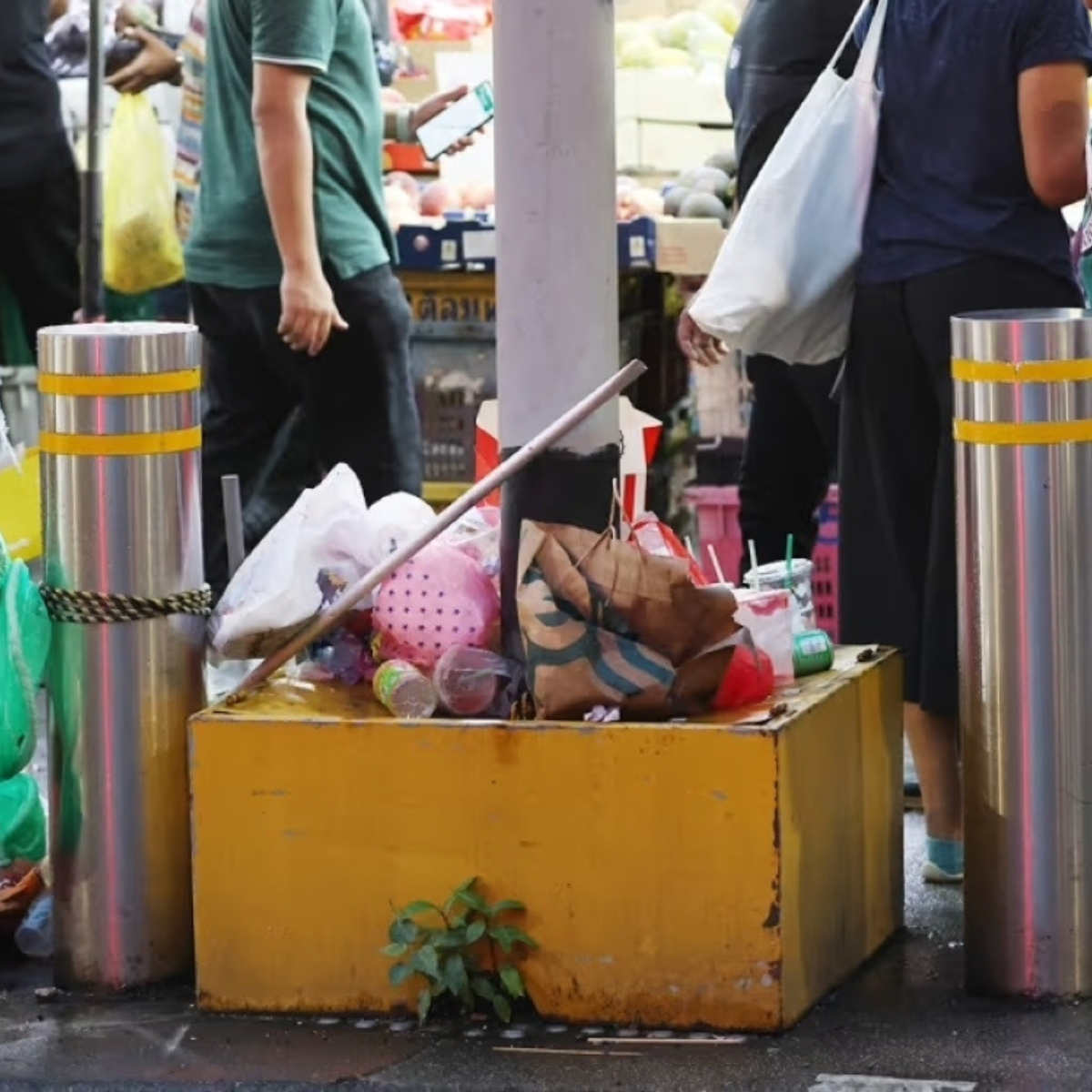
KUALA LUMPUR, Jan 23 — Two foreign nationals have become the first individuals in Malaysia to be charged in court for littering under the newly enforced anti-littering law, according to a report by The Star.

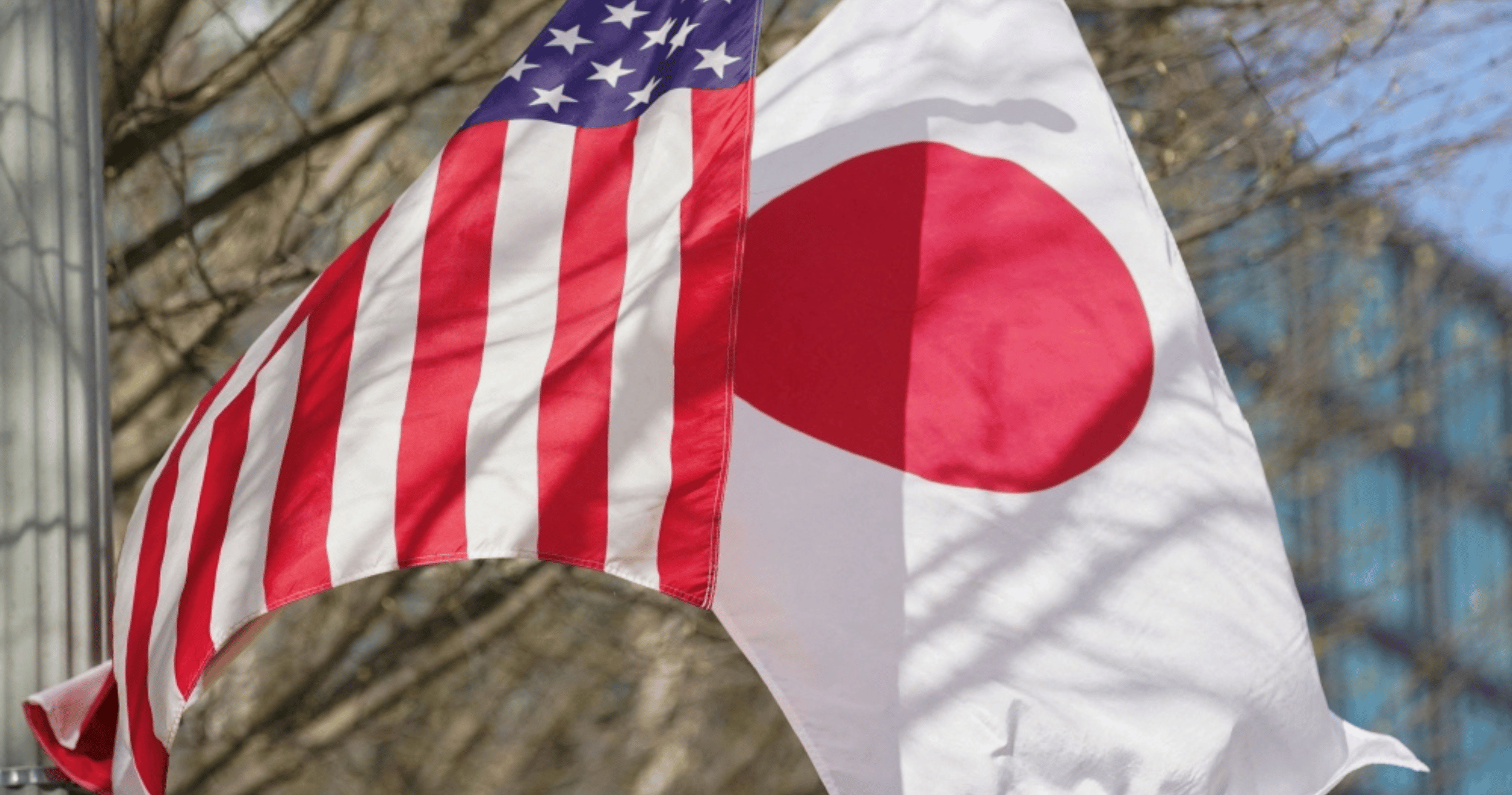
TOKYO, March 15 — A senior Japanese policy adviser said today that the bar is “extremely high” for Japan to deploy its warships to help safeguard oil shipping routes in the Middle East, hours after US President Donald Trump urged allied countries to assist.


TOKYO, March 15 — A senior Japanese policy adviser said today that the bar is “extremely high” for Japan to deploy its warships to help safeguard oil shipping routes in the Middle East, hours after US President Donald Trump urged allied countries to assist.
Two weeks after the United States and Israel launched attacks on Iran, tensions in the Gulf region remain high. Oil prices have surged after Iran disrupted the crucial Strait of Hormuz and targeted energy facilities across the Gulf.
Earlier, Trump said the US Navy would “very soon” begin escorting oil tankers through the Strait of Hormuz and on Saturday called on allies, including Japan, to provide additional support.
Japan, the world’s fourth-largest economy, is the fifth-biggest importer of oil. About 95 per cent of its oil imports come from the Middle East, with roughly 70 per cent passing through the Strait of Hormuz, which is currently effectively closed.
“I regard the threshold as extremely high” for sending Japanese naval vessels to the region under current laws, Takayuki Kobayashi, policy chief of Prime Minister Sanae Takaichi’s ruling Liberal Democratic Party (LDP), said during a political debate programme on public broadcaster NHK on Sunday.
“Legally, we cannot rule out the possibility. However, given the ongoing conflict, this is something that must be considered very carefully,” he said.
Deploying Japan’s Self-Defence Forces overseas remains politically sensitive in the pacifist nation, where many citizens continue to support the war-renouncing 1947 constitution imposed after World War II.
Last week, Takaichi told parliament that “nothing has been decided” regarding the possible deployment of Japanese warships to the Middle East to escort tankers.
Takaichi is expected to visit Washington this week for talks with Trump, where a range of issues, including security in the Asia-Pacific region and the conflict involving Iran, are likely to be discussed.
Kobayashi said he hoped Takaichi would “clarify President Trump’s true intentions” regarding his call for allied reinforcements.
He added that the two leaders are also expected to discuss how Tokyo and Washington can continue to work closely together to ensure there is no security gap in East Asia, especially as US forces are reportedly being deployed to the Gulf from bases in Japan and South Korea. — AFP
KUALA LUMPUR, Jan 23 — Two foreign nationals have become the first individuals in Malaysia to be charged in court for littering under the newly enforced anti-littering law, according to a report by The Star.
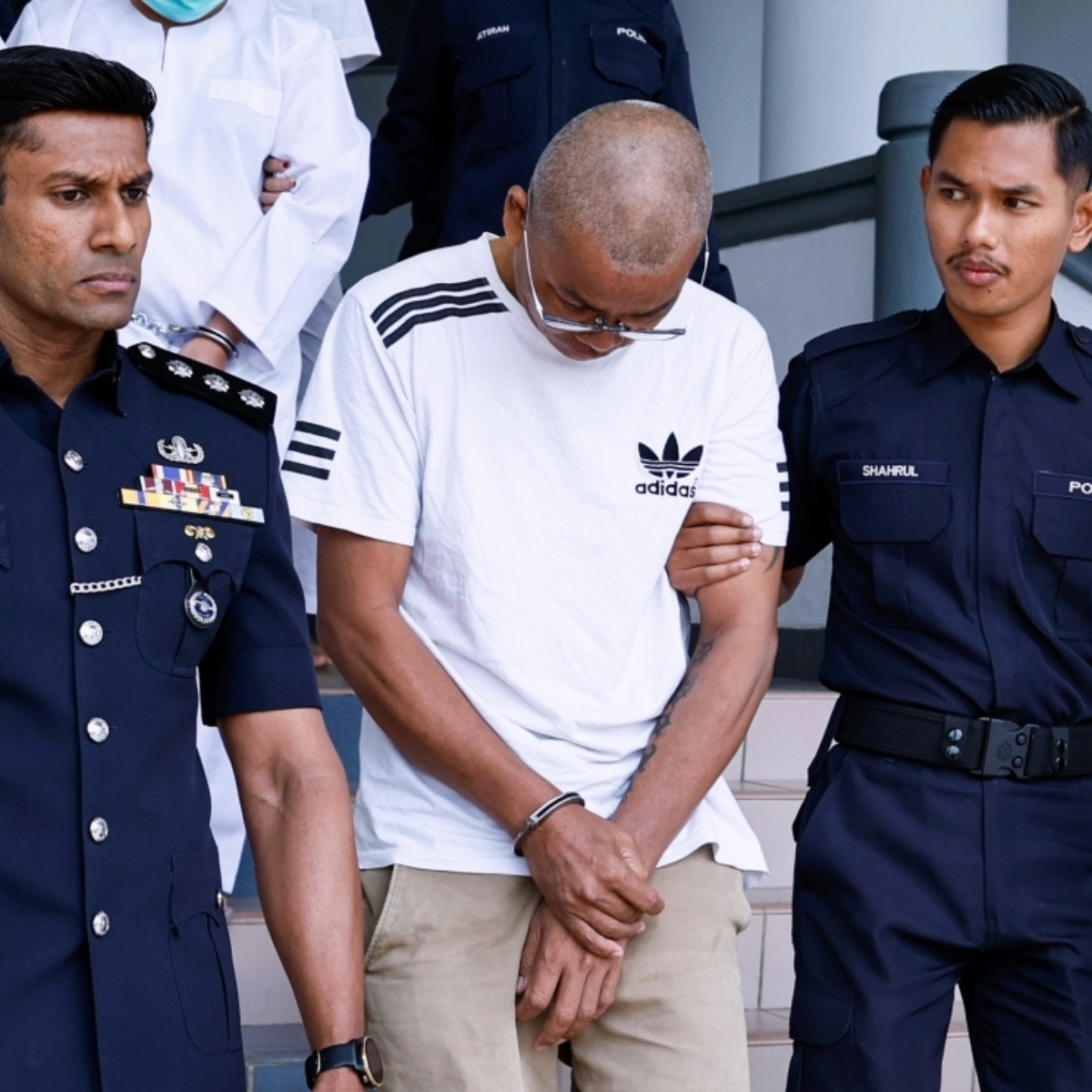
MELAKA, Jan 23 — A Myanmar national was sentenced yesterday to 13 years and seven months in prison by the Magistrate’s Court here after pleading guilty to 17 charges related to forged documents, including fake passports and counterfeit United Nations High Commissioner for Refugees (UNHCR) cards.
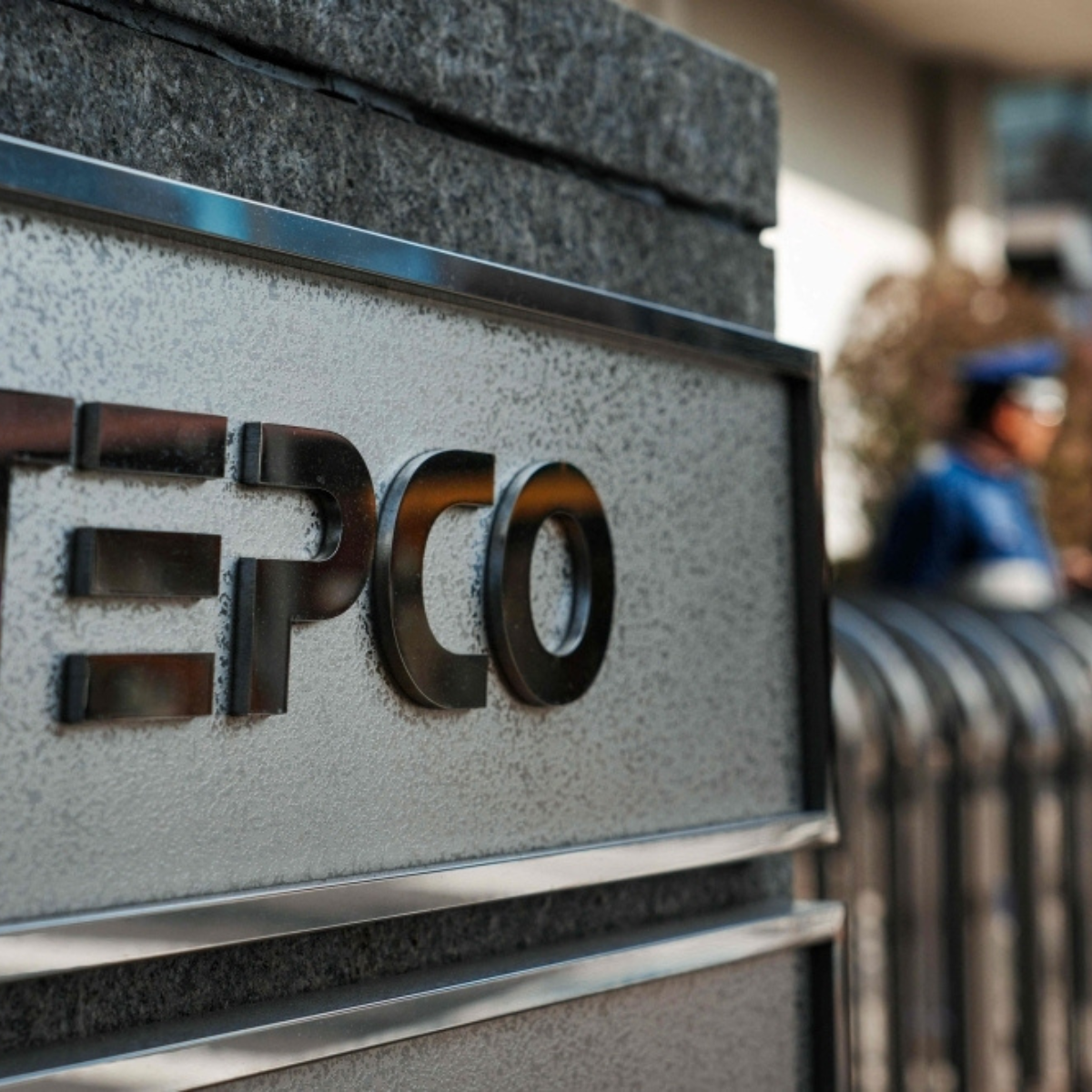
TOKYO, Jan 22 — Japan has halted the restart of the world’s largest nuclear power plant just hours after it began, though the reactor remains “stable,” the operator said.