Kelantan KPDN urges legal export of subsidised cooking oil to Thailand to tackle smuggling issues
KOTA BHARU, Oct 19 — The Kelantan Ministry of Domestic Trade and Cost of Living (KPDN) has proposed that subsidised cooking oil exports to Thailand be conducted through authorised channels to curb subsidy leakages and smuggling activities.
KOTA BHARU, Oct 19 — The Kelantan Ministry of Domestic Trade and Cost of Living (KPDN) has proposed that subsidised cooking oil exports to Thailand be conducted through authorised channels to curb subsidy leakages and smuggling activities.
Kelantan KPDN director Azman Ismail said the measure is crucial as some individuals are exploiting the system by selling subsidised cooking oil to Thailand for quick profits, even though the subsidy is meant for Malaysians.
“If there’s a need to sell to Thailand, it should be done legally through official export channels in accordance with trade laws. We already have the mechanism for that — not through illegal means,” he told Bernama recently.
He explained that the strong demand in southern Thailand fuels such misappropriation, as residents there prefer Malaysian cooking oil due to its quality, halal certification, and lower prices compared with local products.
“Although Thailand produces its own cooking oil, many still buy Malaysian products. The price of cooking oil in Thailand can exceed RM8 per litre, especially for corn oil, which makes Malaysian oil more appealing — even through illegal routes,” he said.
Azman added that the halal assurance is a major factor influencing the demand, as many Thai consumers trust Malaysian products for both affordability and halal reliability.
“This high demand drives some individuals to misuse the subsidy for personal gain, selling it across the border. Ultimately, the government bears the loss, as the subsidy is intended for Malaysians,” he said.
He emphasised that smuggling not only burdens the government financially but also deprives Malaysians of the subsidies meant to ease their cost of living.
To address this, KPDN will continue working with other enforcement agencies to strengthen operations against misappropriation, particularly in border areas such as Rantau Panjang and Pasir Mas.
Meanwhile, a recent Bernama survey at a morning market near Sungai Golok in southern Thailand found Malaysian-branded cooking oil being sold openly.
The products were easily recognisable by their Malay-language labels and Malaysian halal logos, displayed freely among other household goods. Some traders were also seen selling large quantities to local buyers, believed to be supplied through illegal routes along the border to meet high demand.
Local trader Somchai Prasert, 42, admitted to selling subsidised Malaysian cooking oil illegally because it was cheaper and highly sought after.
“Malaysian oil sells fast because it’s affordable and halal. Local oil costs more, so to stay competitive, I have to sell what customers want,” he said.
Another trader, Niran Chai, 35, said the trade offers quick profits despite the risks involved.
“We know it’s against the law, but if we don’t seize the opportunity, we’ll lose customers since many prefer Malaysian oil,” she added. — Bernama
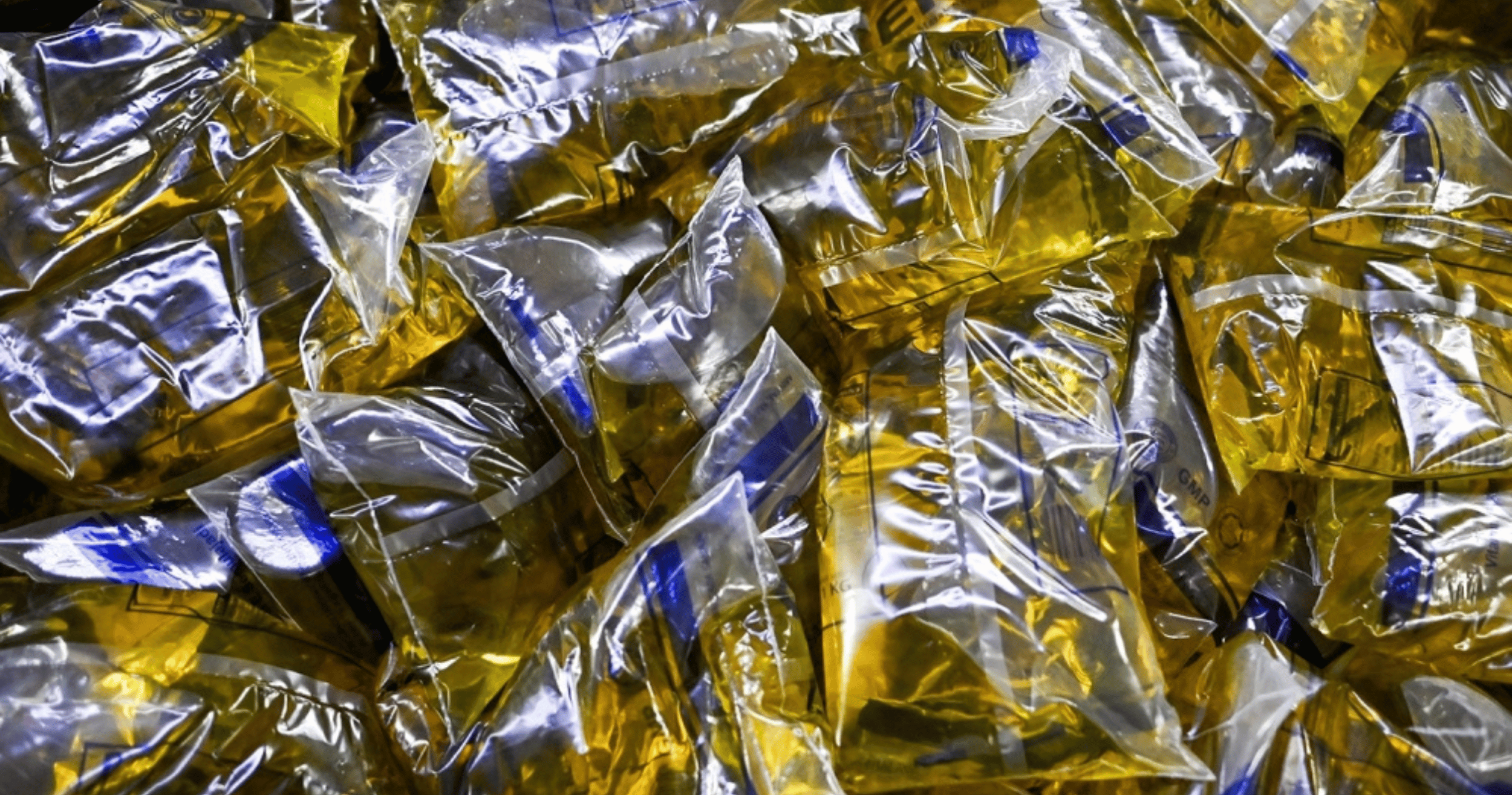
The Kelantan Ministry of Domestic Trade and Cost of Living (KPDN) has suggested that the exportation of subsidised cooking oil to Thailand be conducted through legal channels to reduce leakage and misappropriation of the subsidy. — Picture by Miera Zulyana
BANGKOK, April 24 — Thailand’s Supreme Court on Friday agreed to hear a petition accusing 44 current and former opposition lawmakers of ethics violations over their 2021 move to amend a law protecting the monarchy from criticism, according to Thai media reports.
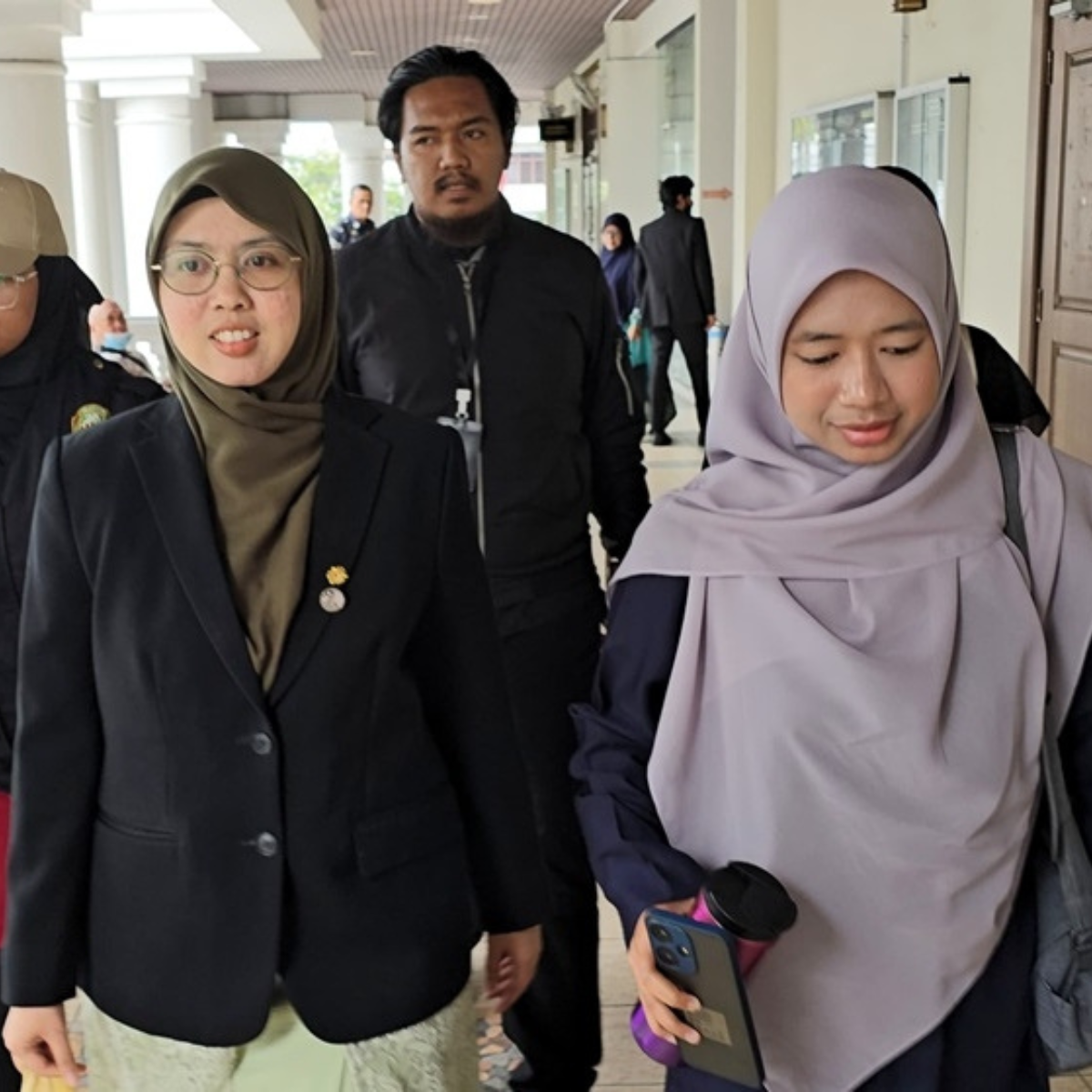
PUTRAJAYA, April 24 — The Court of Appeal today dismissed Kepala Batas MP Dr Siti Mastura’s appeal against a High Court ruling ordering her to pay RM825,000 in damages and costs for defaming three DAP leaders by linking them to former Communist Party of Malaya leader Chin Peng.
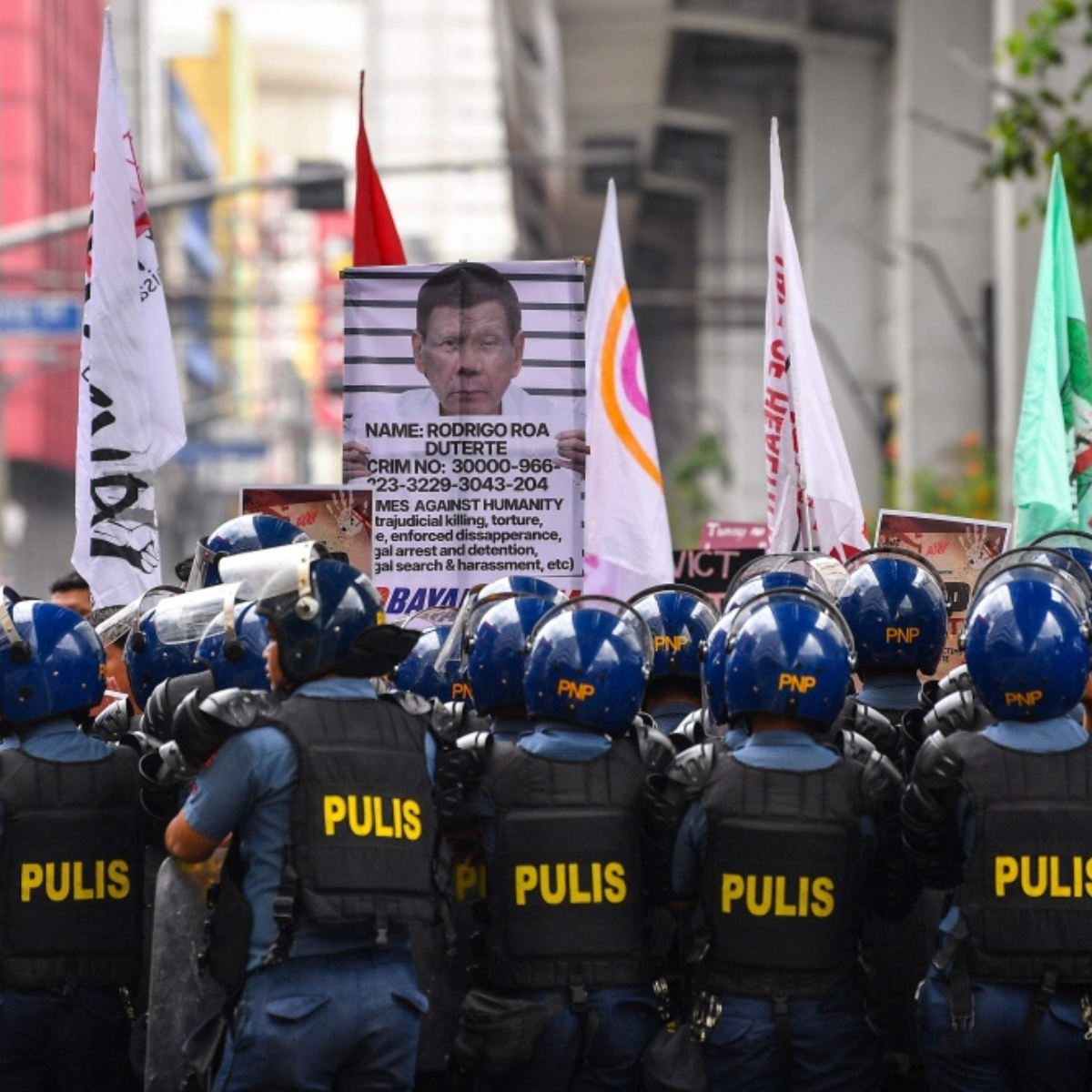
THE HAGUE, April 23 — Former Philippines president Rodrigo Duterte will stand trial at the International Criminal Court after judges on Thursday confirmed charges of crimes against humanity over his controversial “war on drugs.”