April 27, 2026
World
World

WASHINGTON, April 27 — A man accused of targeting US administration officials at a Washington event has been arrested after allegedly opening fire, injuring a Secret Service agent.

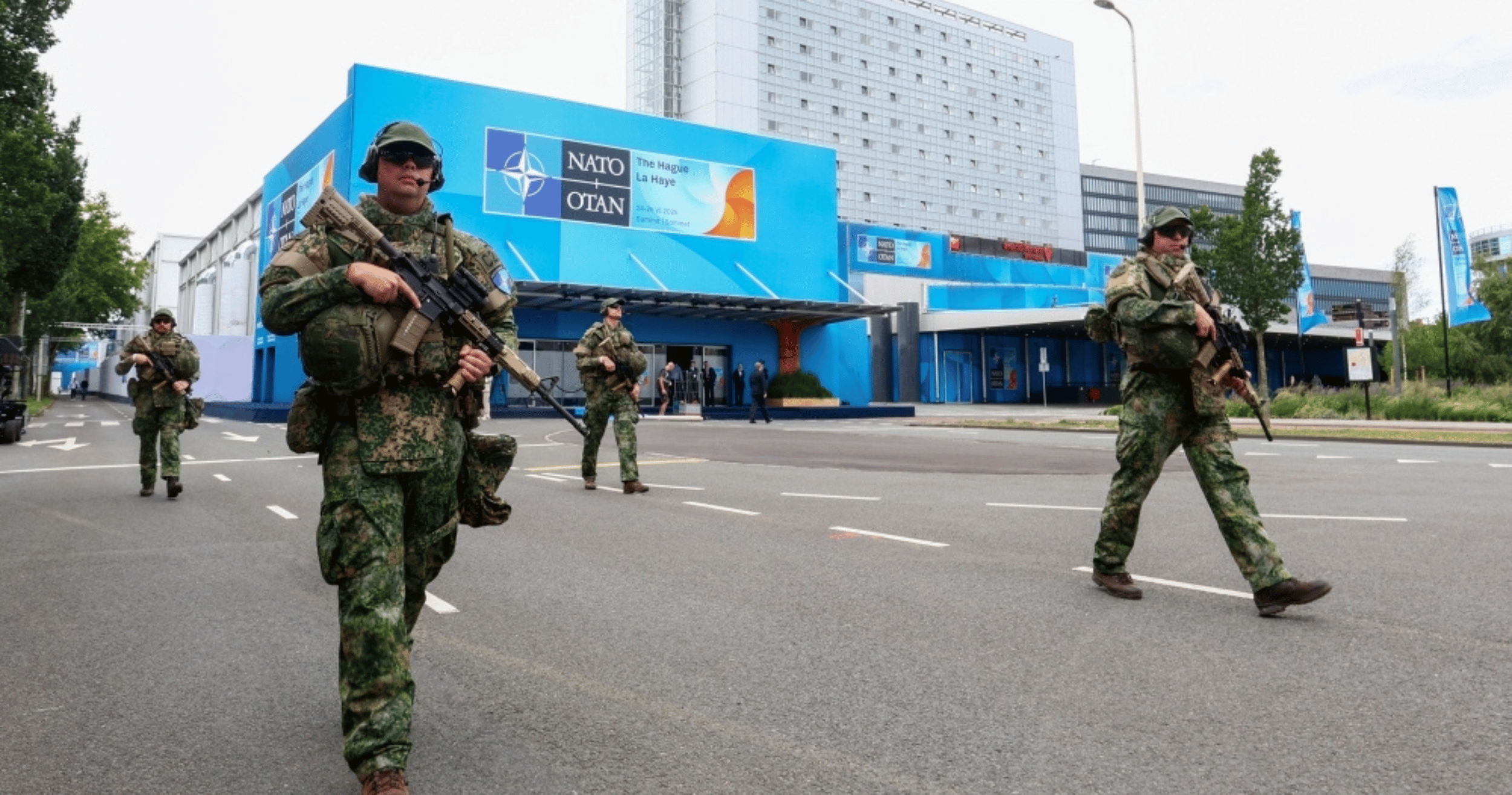
BRUSSELS, June 25 — Nato leaders are expected to approve a significant increase in defence spending at a summit in The Hague today, following a push by US President Donald Trump.


BRUSSELS, June 25 — Nato leaders are expected to approve a significant increase in defence spending at a summit in The Hague today, following a push by US President Donald Trump.
Here’s a breakdown of what this new target means:
What are Nato leaders set to approve?
Leaders are expected to endorse a new target for members to spend 5 per cent of their GDP on defence-related investments — a sharp rise from the current 2 per cent goal set in 2014.
The new benchmark includes:
3.5 per cent of GDP for core defence areas like troops, weapons, and military operations.
1.5 per cent for broader defence and security needs such as infrastructure upgrades for military use, cyber-security, and protection of energy networks.
How significant is this change?
It’s a major leap for many Nato members.
While 22 of the alliance’s 32 countries met or exceeded the current 2 per cent target in 2023, spending levels vary widely.
Poland spent over 4 per cent of its GDP.
Spain, by contrast, spent less than 1.3 per cent.
When must countries meet the new target?
Nato members are expected to hit the new spending goal by 2035, with a review planned for 2029.
How much more money are we talking about?
Exact figures are unclear, as future economic conditions and the newly measured spending categories will affect the total.
In 2024, Nato members collectively spent over US$1.3 trillion on core defence.
Had they spent 3.5 per cent of GDP instead, that figure would’ve risen to around US$1.75 trillion — a difference of hundreds of billions annually.
Why increase defence spending now?
The decision is driven by:
Russia’s ongoing war in Ukraine and its perceived threat to Europe.
Concerns that a future US administration might scale back military support for Europe.
“Nato must prepare for the possibility of Russian aggression within five years,” Secretary-General Mark Rutte warned recently.
What will the increased funds support?
Nato has outlined new classified capability targets, but Rutte noted key areas include:
Air defence
Fighter jets
Tanks
Drones
Logistics and personnel
Is there any resistance?
Yes.
Spanish Prime Minister Pedro Sanchez has stated that Spain can meet its military capability obligations with just 2.1 per cent of GDP, despite agreeing to the new target in principle. Nato officials say there's no opt-out — spending will be monitored.
Analysts expect other countries may also fall short, but publicly they remain committed.
Where will the funding come from?
Each Nato country will decide how to fund its share.
The EU is easing restrictions to help:
Allowing countries to raise defence spending by 1.5 per cent of GDP annually for four years without breaching EU deficit rules.
Approving a €150 billion defence fund via joint borrowing to provide loans for military projects.
Some nations are pushing for EU grants instead of loans, but face opposition from fiscally conservative states like Germany and The Netherlands.
How does Nato’s target compare globally?
While Nato collectively outspends Russia, individual member contributions (as a share of GDP) lag behind.
Russia: Spent 7.1 per cent of GDP on defence in 2024 (US$149 billion)
China: Spent 1.7 per cent of GDP
Nato (combined): Spent 2.61 per cent in 2023
How does defence spending compare to other national expenses?
Defence typically forms a small part of national budgets in Nato countries:
Italy: 3.2% of government spending
France: 3.6
Poland: 8.5%
By contrast, Russia allocated nearly 19 per cent of its government spending to the military in 2023. — Reuters
WASHINGTON, April 27 — A man accused of targeting US administration officials at a Washington event has been arrested after allegedly opening fire, injuring a Secret Service agent.
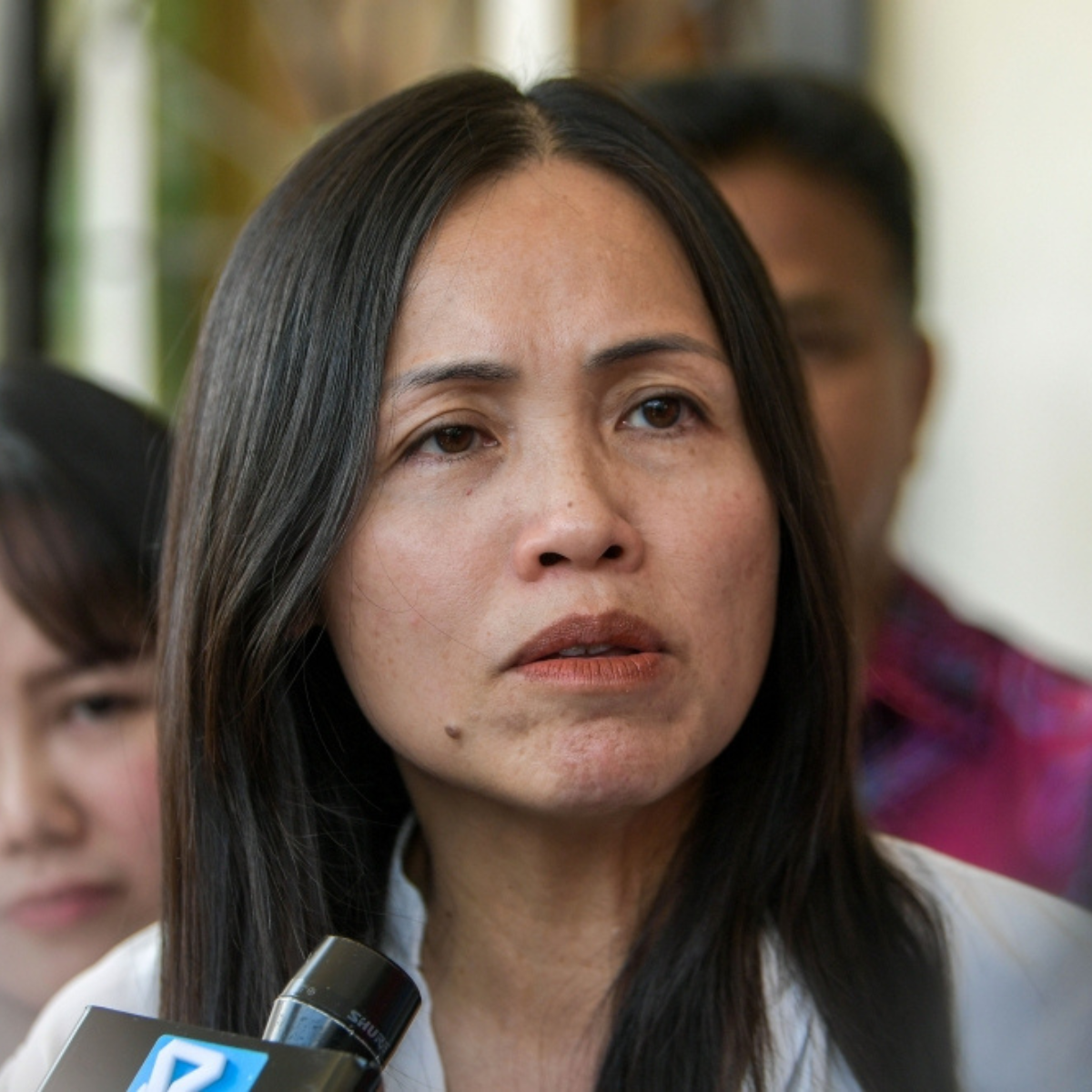
KUALA LUMPUR, April 27 — Social media platforms removed 43,618 pieces of scam-related content in the first quarter of this year, Deputy Communications Minister Teo Nie Ching said.
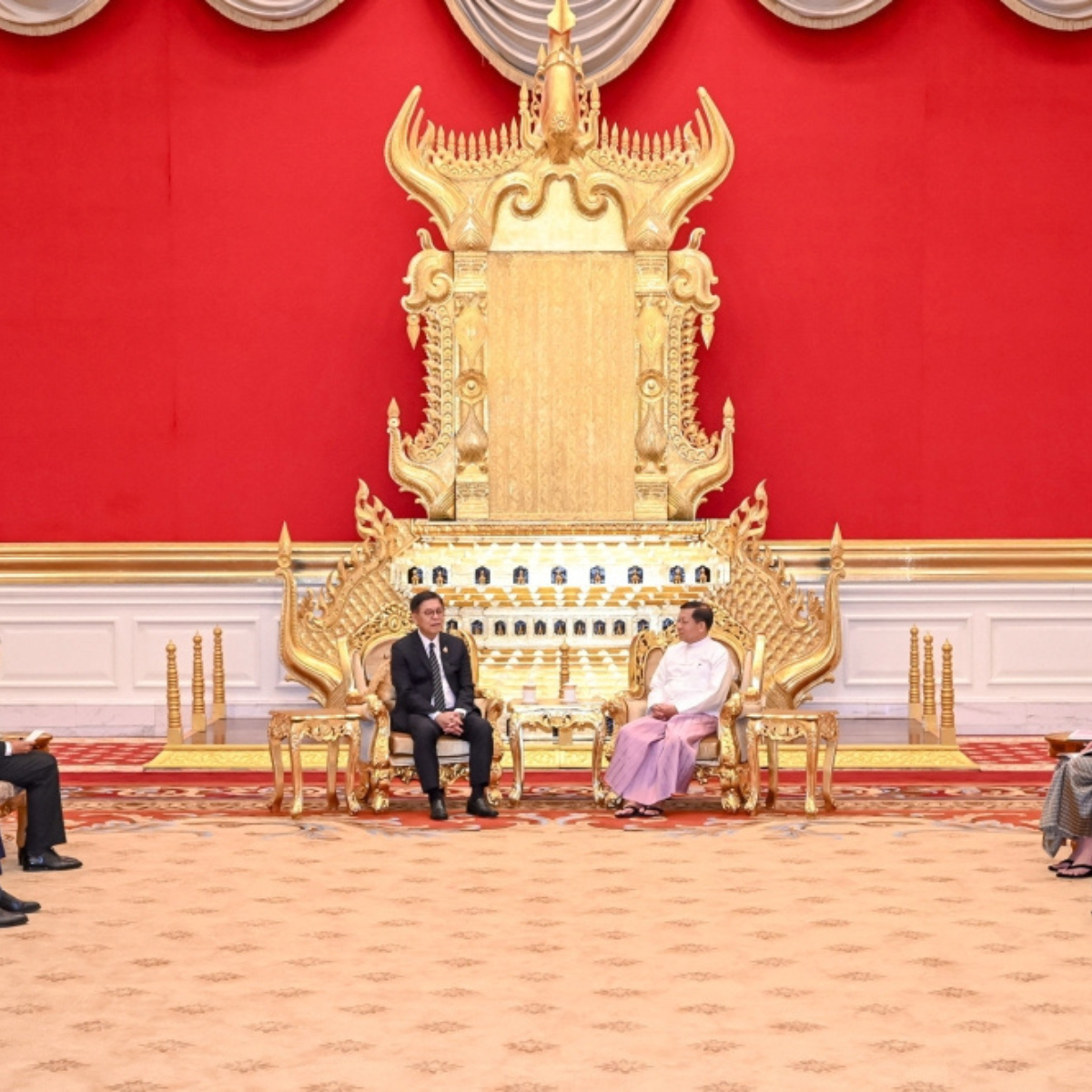
BEIJING, April 26 — China’s top diplomat Wang Yi said Beijing would “firmly support” Myanmar in safeguarding its sovereignty and security during talks with junta leader-turned-president Min Aung Hlaing.