April 27, 2026
World
World

WASHINGTON, April 27 — A man accused of targeting US administration officials at a Washington event has been arrested after allegedly opening fire, injuring a Secret Service agent.

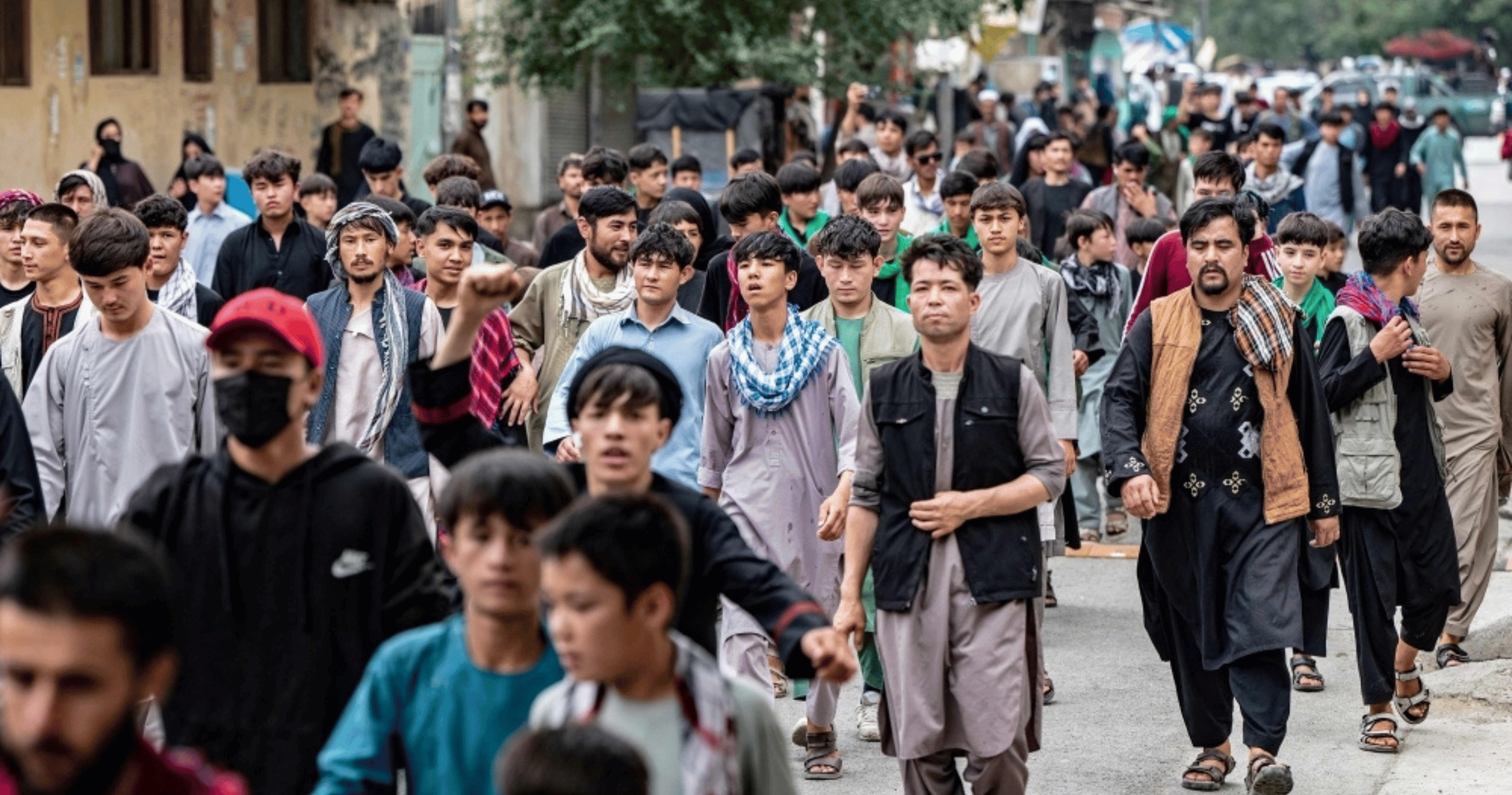
KABUL, July 7 — Nearly 450,000 Afghans have returned from Iran since early June, following an order from Tehran requiring undocumented migrants to leave the country by July 6, the UN’s refugee agency said today.


KABUL, July 7 — Nearly 450,000 Afghans have returned from Iran since early June, following an order from Tehran requiring undocumented migrants to leave the country by July 6, the UN’s refugee agency said today.
The mass return adds to the burden on Afghanistan, already grappling with the reintegration of returnees pressured to leave both Iran and Pakistan since 2023, amid one of the world’s worst humanitarian crises caused by decades of conflict.
According to the UN High Commissioner for Refugees (UNHCR), more than 1.4 million people have returned or been forcibly returned to Afghanistan so far this year.
In late May, Iran issued a directive requiring undocumented Afghans to leave by July 6 — a move that could affect up to four million people, out of the estimated six million Afghans residing in Iran.
The number of people crossing the border surged in mid-June, with some days seeing as many as 40,000 arrivals, UN agencies reported.
Between June 1 and July 5 alone, 449,218 Afghans returned from Iran, according to a spokesperson from the International Organization for Migration (IOM), bringing this year’s total to 906,326.
Many returnees said they faced pressure from authorities, arrests, deportations, and financial loss as they were forced to leave quickly.
Foreign aid cuts have severely hindered humanitarian efforts, with the UN, international NGOs, and Taliban officials urging for increased funding to assist the returnees.
The UN has warned that the surge in returns could further destabilise Afghanistan, which is already dealing with extreme poverty, widespread unemployment, and the effects of climate change. It also called on countries to refrain from forcibly returning Afghans.
“Forcing or pressuring Afghans to return risks further instability in the region and could lead to increased migration towards Europe,” UNHCR said in a statement on Friday.
Taliban authorities have called for a “dignified” return process for Afghan nationals.
Iranian media frequently reports on the mass arrest of undocumented Afghans across different provinces. On Thursday, Deputy Interior Minister Ali Akbar Pourjamshidian acknowledged that while Afghans are seen as “respected neighbours and brothers in faith,” Iran's capacity to host them is limited. He added that repatriations would be carried out gradually.
Many Afghans had gone to Iran seeking work to support their families back home.
WASHINGTON, April 27 — A man accused of targeting US administration officials at a Washington event has been arrested after allegedly opening fire, injuring a Secret Service agent.
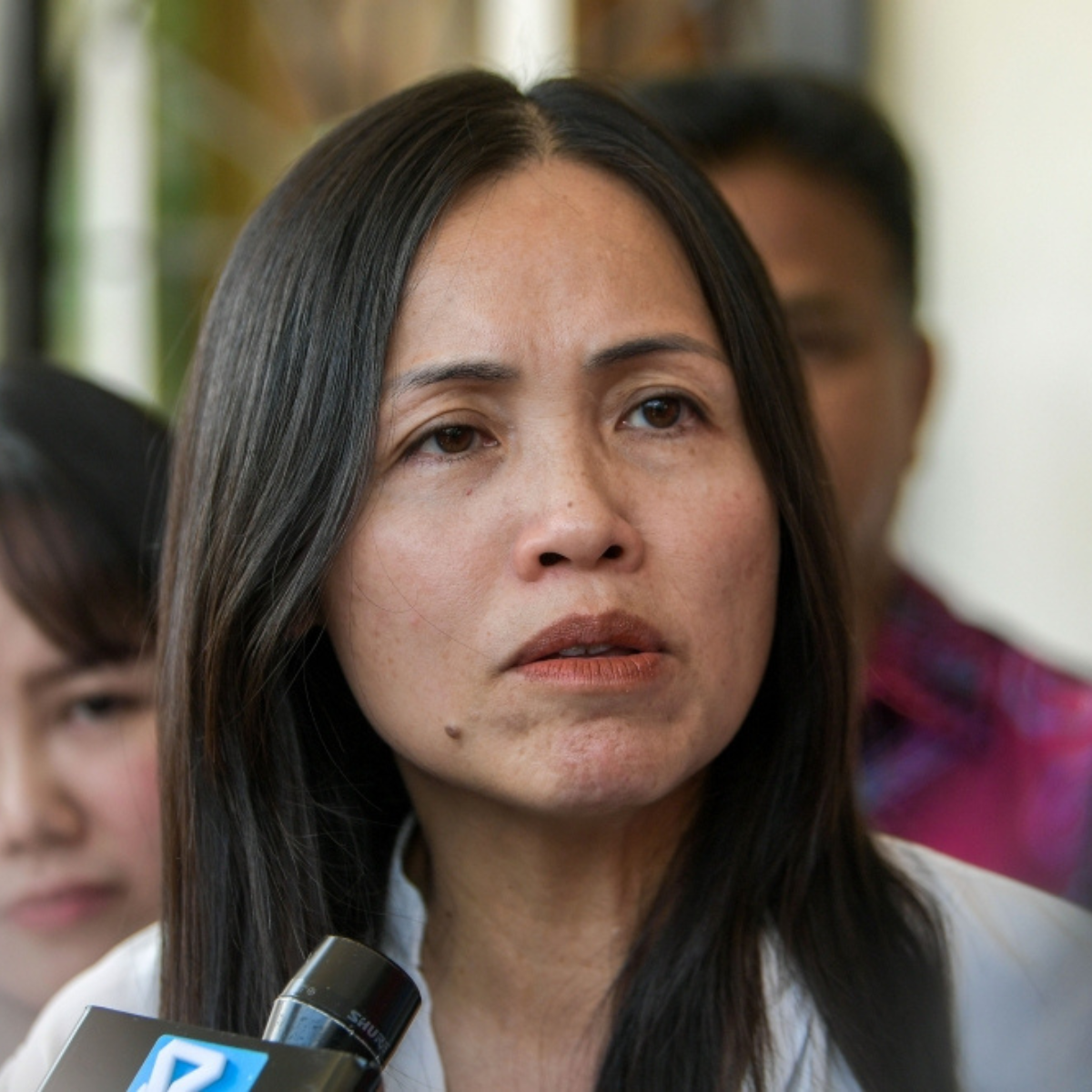
KUALA LUMPUR, April 27 — Social media platforms removed 43,618 pieces of scam-related content in the first quarter of this year, Deputy Communications Minister Teo Nie Ching said.

BEIJING, April 26 — China’s top diplomat Wang Yi said Beijing would “firmly support” Myanmar in safeguarding its sovereignty and security during talks with junta leader-turned-president Min Aung Hlaing.