April 27, 2026
World
World

WASHINGTON, April 27 — A man accused of targeting US administration officials at a Washington event has been arrested after allegedly opening fire, injuring a Secret Service agent.

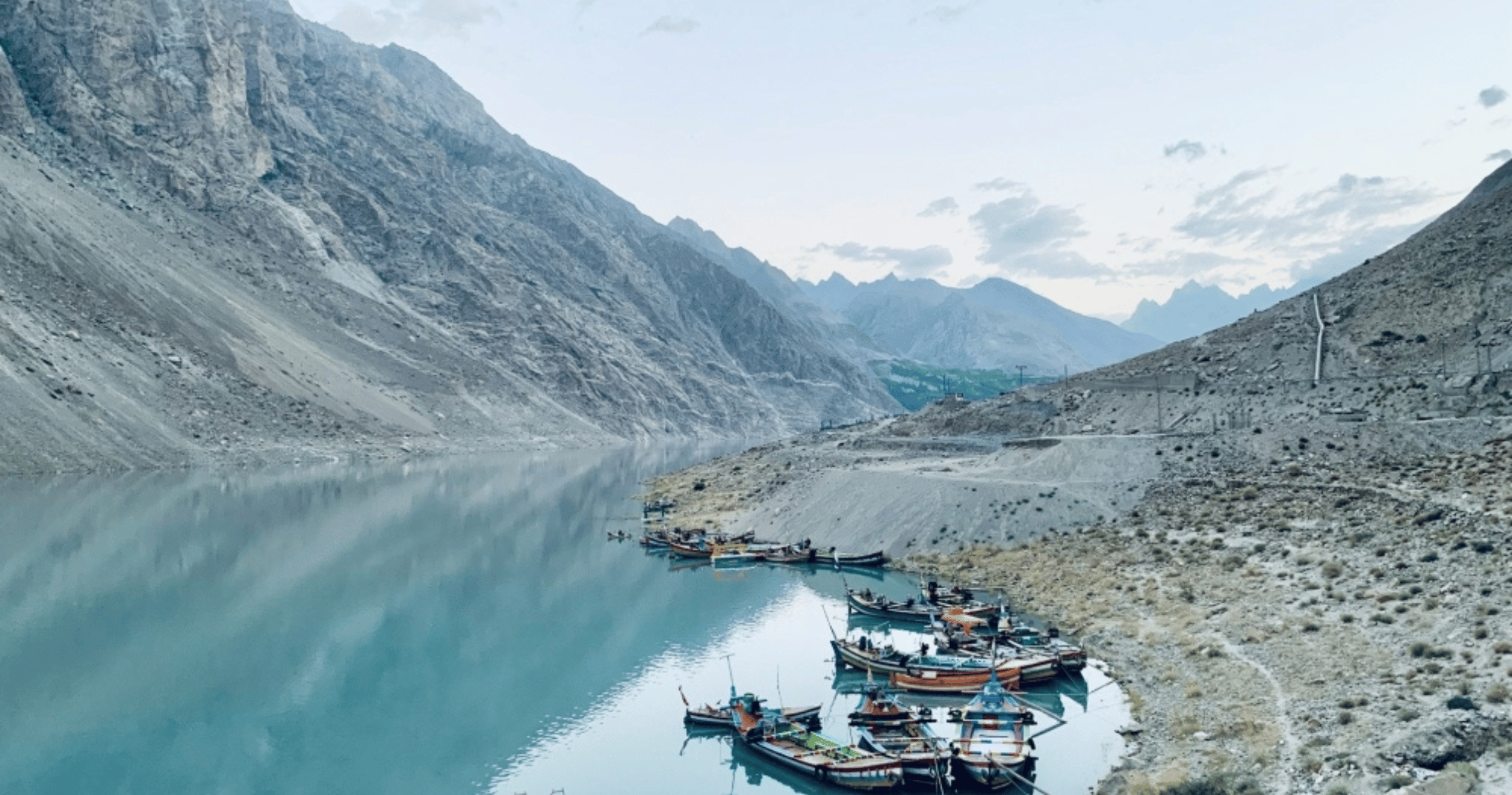
GILGIT, July 19 — Pakistan will impose a five-year ban on the construction of new hotels around the scenic lakes of its northern region to prevent further environmental damage, a government agency announced.


GILGIT, July 19 — Pakistan will impose a five-year ban on the construction of new hotels around the scenic lakes of its northern region to prevent further environmental damage, a government agency announced.
The move comes amid growing concerns over unregulated development in Gilgit-Baltistan, an area home to approximately 13,000 glaciers — the highest number outside the polar regions. The surge in hotel and guest house construction has raised alarms over its impact on the environment.
Renowned for its stunning landscapes, Gilgit-Baltistan attracts tens of thousands of visitors annually, offering views of snow-capped peaks along the Old Silk Road and a route that winds through cherry orchards, glaciers, and turquoise lakes.
However, a construction boom—driven largely by outside developers—has placed immense pressure on local water and electricity supplies and led to increased pollution and waste.
“If construction continues unchecked, the region will turn into a forest of concrete,” warned Khadim Hussain, a senior official from the Gilgit-Baltistan Environmental Protection Authority. “Tourists don’t come here to see concrete; they come for nature.”
The urgency of the issue was highlighted last month when a foreign tourist’s viral Instagram video showed wastewater being discharged into Lake Attabad, a vital freshwater source in Hunza. The hotel responsible was subsequently fined over US$5,000.
Local voices have welcomed the decision. Asif Sakhi, a political activist from Hunza Valley, said rapid development under the guise of tourism was harming the region’s natural resources. “Hotel construction is destroying our lakes and rivers,” he said.
Shah Nawaz, a hotel manager and Hunza resident, also supported the move, stating, “Protecting our environment and natural beauty is a shared responsibility.” — AFP
WASHINGTON, April 27 — A man accused of targeting US administration officials at a Washington event has been arrested after allegedly opening fire, injuring a Secret Service agent.

KUALA LUMPUR, April 27 — Social media platforms removed 43,618 pieces of scam-related content in the first quarter of this year, Deputy Communications Minister Teo Nie Ching said.
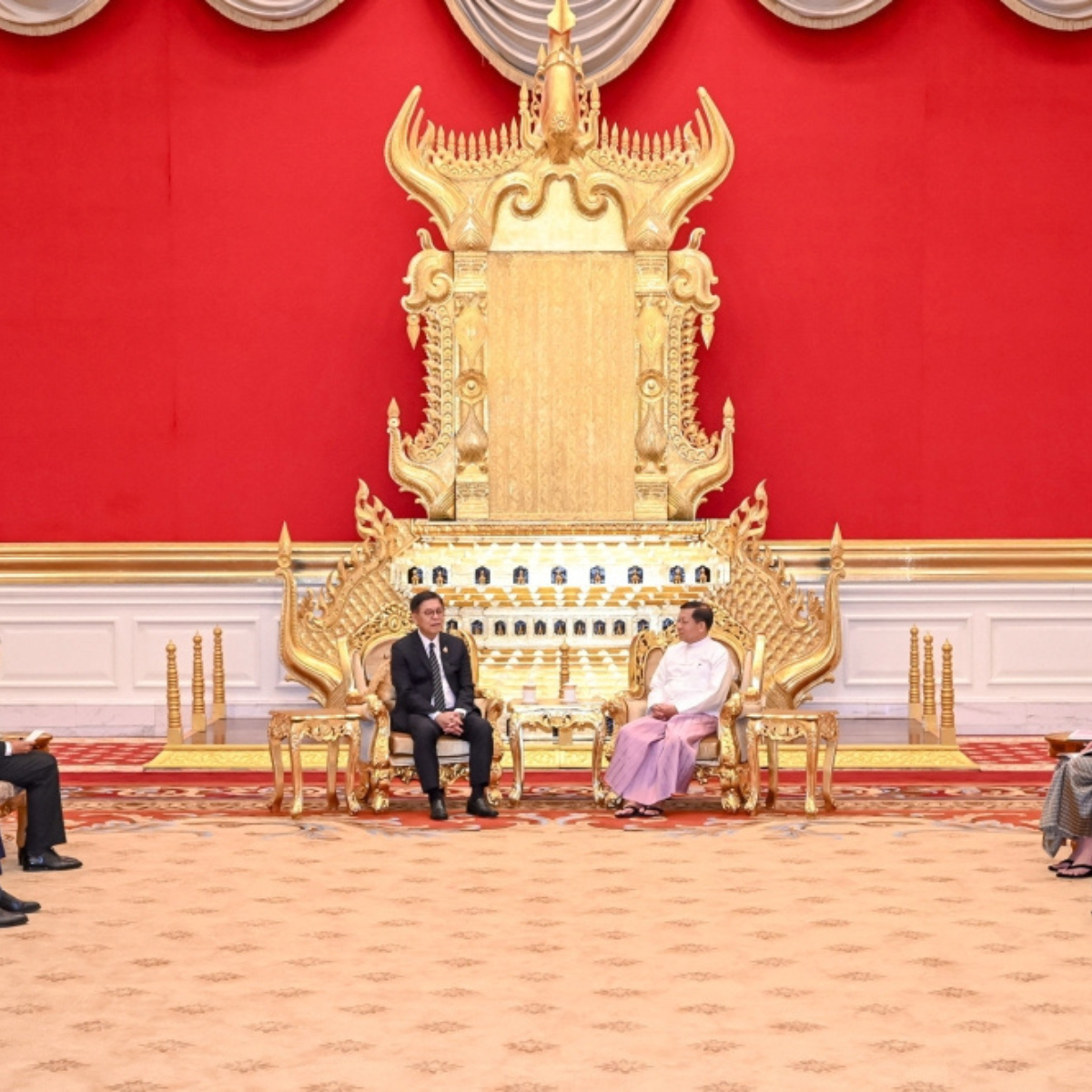
BEIJING, April 26 — China’s top diplomat Wang Yi said Beijing would “firmly support” Myanmar in safeguarding its sovereignty and security during talks with junta leader-turned-president Min Aung Hlaing.