Petrol stations implement contingency measures to support smooth rollout of Budi95 fuel subsidy
KUALA LUMPUR, Sept 24 — The government has assured that the targeted fuel subsidy under the Budi Madani RON95 (Budi95) programme, which begins on September 27, will not disrupt fuel supply or transactions at petrol stations, even with higher demand expected.
KUALA LUMPUR, Sept 24 — The government has assured that the targeted fuel subsidy under the Budi Madani RON95 (Budi95) programme, which begins on September 27, will not disrupt fuel supply or transactions at petrol stations, even with higher demand expected.
Petrol Dealers Association of Malaysia (PDAM) president Datuk Khairul Annuar Abdul Aziz said station operators nationwide are ready with contingency plans to minimise any disruptions and ensure motorists continue to enjoy the RM1.99 per litre subsidised price.
“Petrol station operators already have business continuity measures in place to make sure the subsidy rollout runs smoothly, even if there are technical issues.
“We don’t want to inconvenience the public. Our priority is to make sure they can still enjoy the RM1.99 price. With these preparations, everything should run smoothly by September 27,” he said during an appearance on Bernama TV’s Ruang Bicara programme last night.
He also urged the public to remain patient if delays or glitches occur, stressing that operators will do their best to ensure continued access to subsidised fuel.
Prime Minister Datuk Seri Anwar Ibrahim announced on Monday that the price of RON95 petrol will be reduced from RM2.05 to RM1.99 per litre under Budi95.
According to the Finance Ministry, the system will be rolled out in phases: beginning with 300,000 military and police personnel on September 27, followed by Sumbangan Tunai Rahmah (STR) recipients on September 28, and eventually covering 16 million Malaysians aged 16 and above with a MyKad and valid driving licence on September 30.
Meanwhile, UniKL Business School analyst Associate Professor Dr Aimi Zulhazmi Abdul Rashid described Budi95 as a bold but necessary policy shift.
“It’s not an easy decision, but the Madani government has shown political courage as subsidy costs continue to rise,” he said.
He noted that successful rationalisation could generate significant national savings, which may then be redirected into critical areas such as healthcare.
Aimi Zulhazmi also stressed the importance of consistency in policy to ensure long-term benefits, while urging the government to fine-tune the implementation process based on feedback from both the public and operators. — Bernama
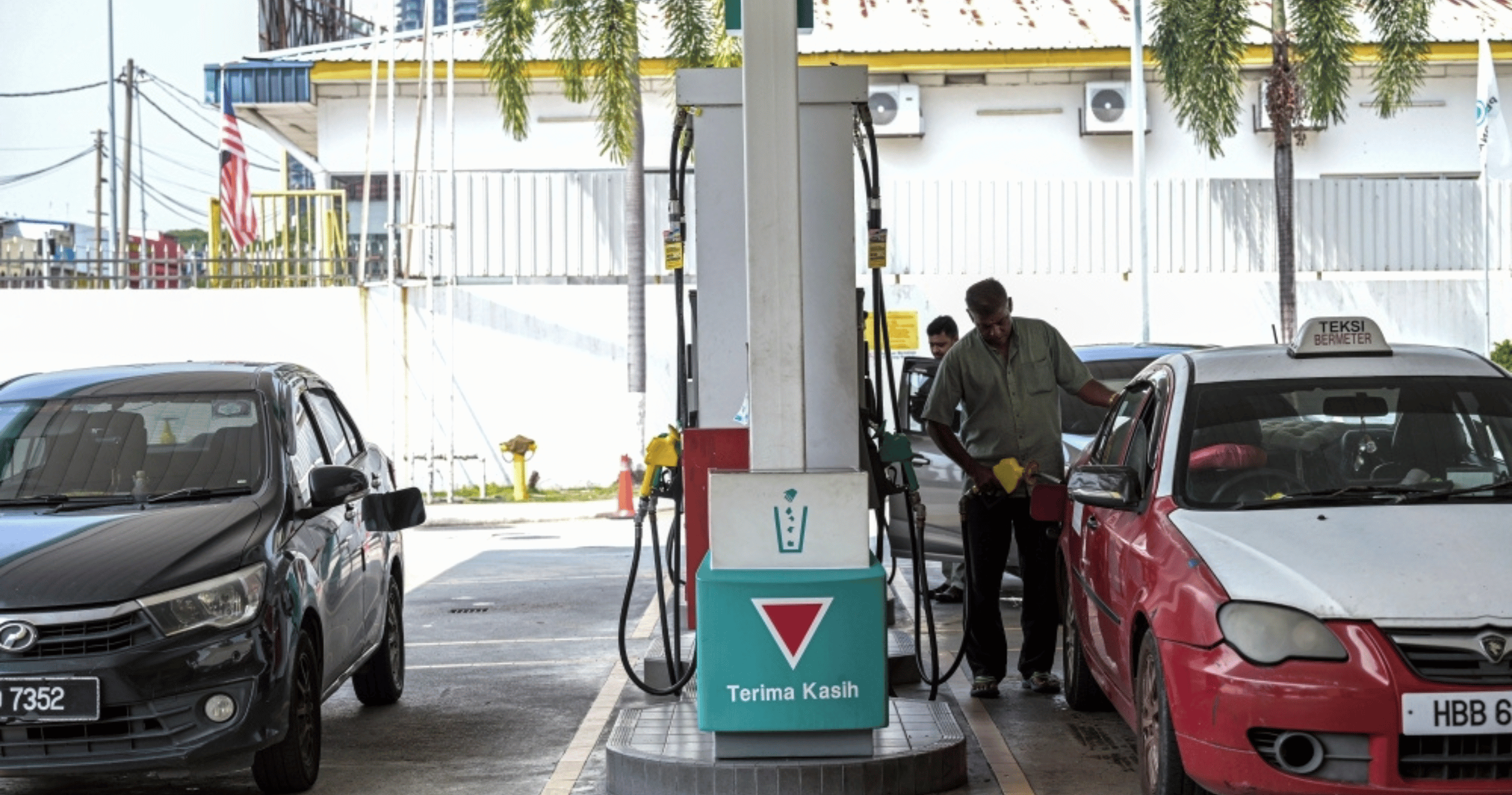
The Petrol Dealers Association of Malaysia (PDAM) has said that the Budi Madani RON95 (Budi95) targeted subsidy rollout on Sept 27 will not disrupt fuel supplies or transactions, with operators prepared to handle demand spikes. — Bernama pic
BANGKOK, April 24 — Thailand’s Supreme Court on Friday agreed to hear a petition accusing 44 current and former opposition lawmakers of ethics violations over their 2021 move to amend a law protecting the monarchy from criticism, according to Thai media reports.
PUTRAJAYA, April 24 — The Court of Appeal today dismissed Kepala Batas MP Dr Siti Mastura’s appeal against a High Court ruling ordering her to pay RM825,000 in damages and costs for defaming three DAP leaders by linking them to former Communist Party of Malaya leader Chin Peng.
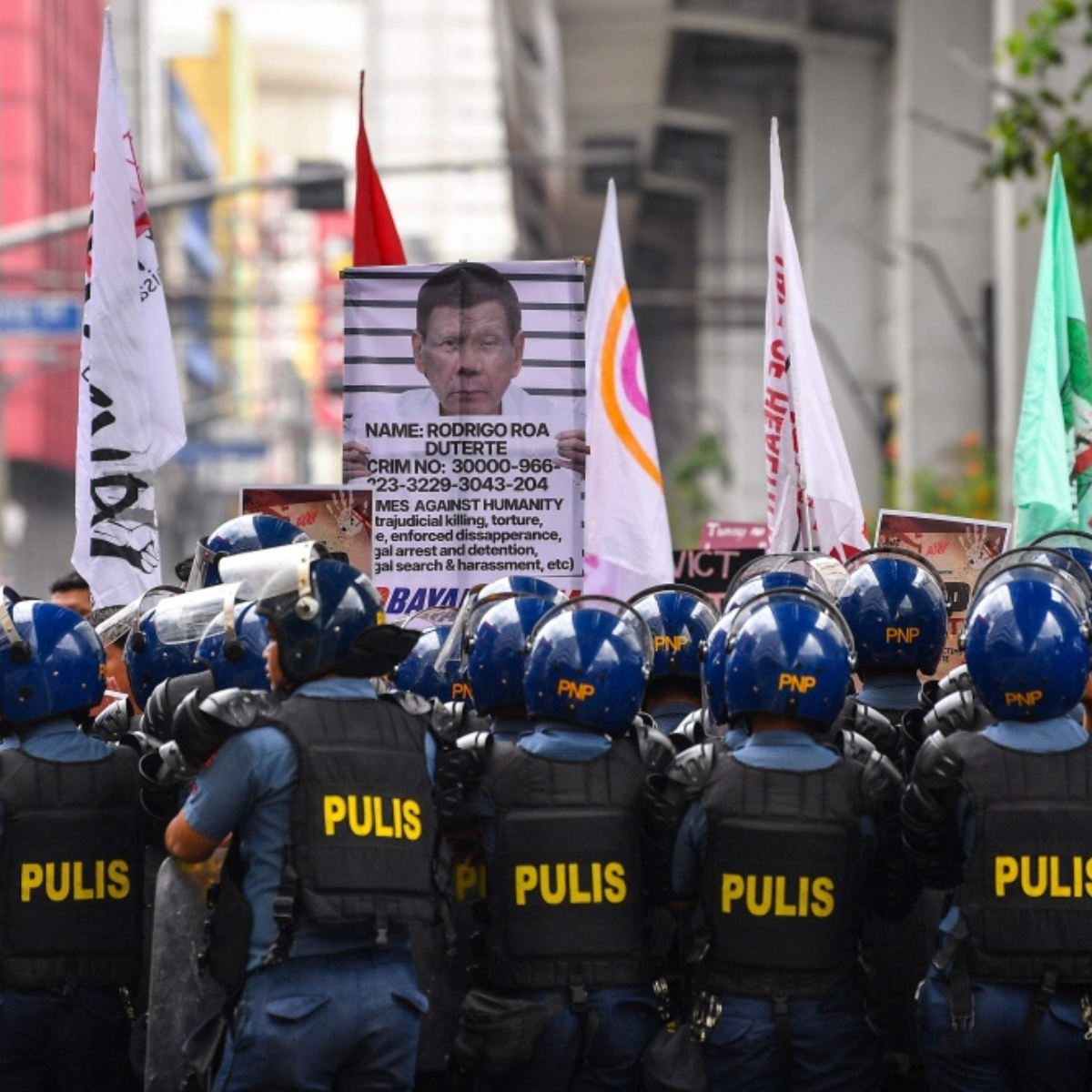
THE HAGUE, April 23 — Former Philippines president Rodrigo Duterte will stand trial at the International Criminal Court after judges on Thursday confirmed charges of crimes against humanity over his controversial “war on drugs.”