Singapore F1 Grand Prix flagged as ‘heat risk’ due to extreme humidity
SINGAPORE, Oct 3 — Formula 1’s governing body has officially designated this weekend’s Singapore Grand Prix as a “heat hazard” race for the first time, with soaring temperatures and heavy humidity expected to push drivers to their limits, Xinhua reported.
SINGAPORE, Oct 3 — Formula 1’s governing body has officially designated this weekend’s Singapore Grand Prix as a “heat hazard” race for the first time, with soaring temperatures and heavy humidity expected to push drivers to their limits, Xinhua reported.
The FIA’s decision follows forecasts of 31 degrees Celsius alongside intense humidity in the tropical city-state. Under the new ruling, teams must equip their cars with driver-cooling vests, though use remains optional to prevent any performance advantage from a lighter car for those who choose not to wear them.
This marks the first application of the FIA’s heat-hazard regulation, introduced after the 2023 Qatar Grand Prix where several drivers required medical attention. In that race, Esteban Ocon vomited inside his helmet, and Williams’ Logan Sargeant retired after being overwhelmed by the conditions.
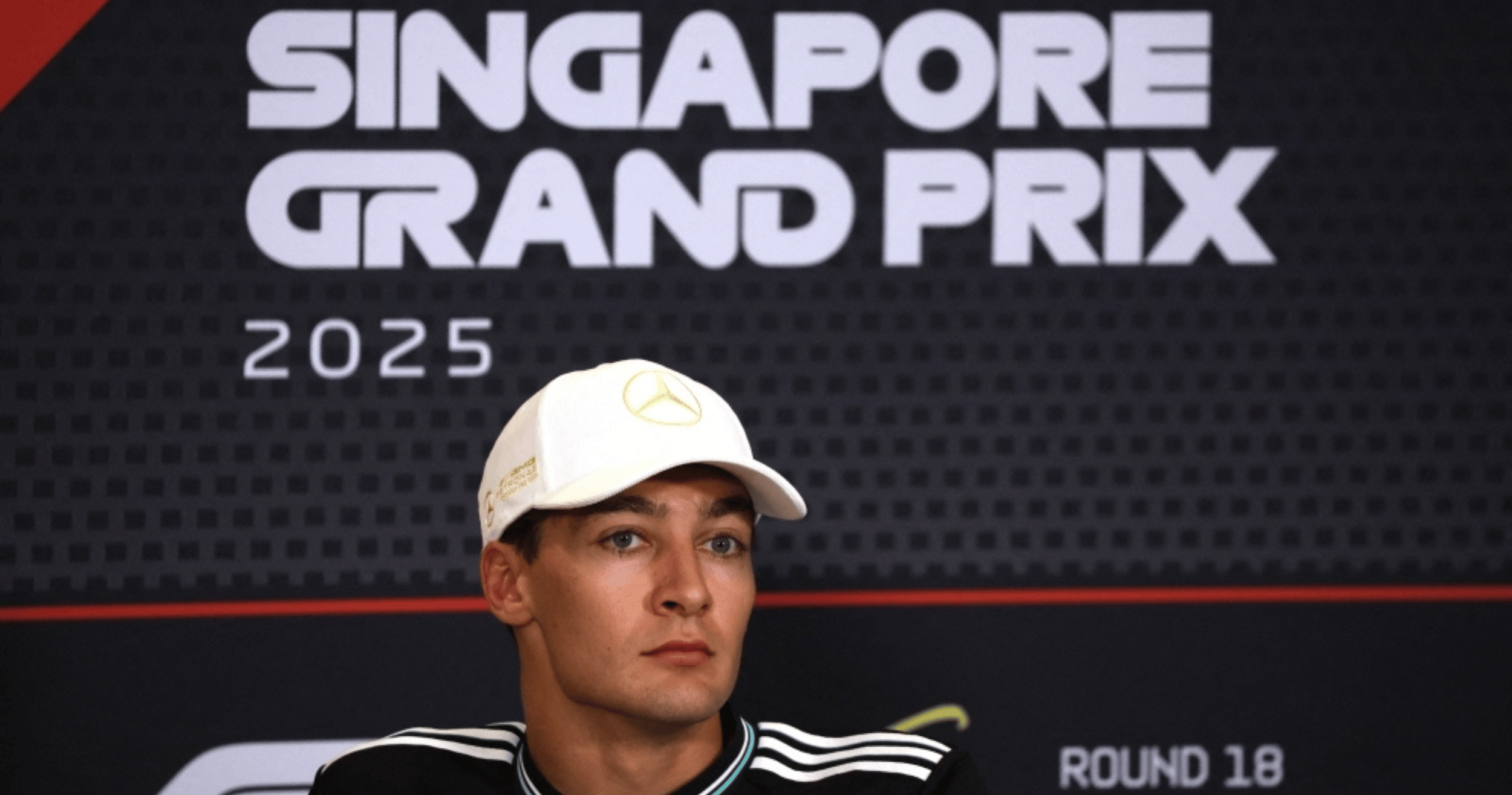
Mercedes’ George Russell, a director of the Grand Prix Drivers’ Association (GPDA), welcomed the move after trialing the vest earlier this year.
“Not everyone finds it comfortable, but for many it helps,” he said. “When you’re racing in 90 per cent humidity and the cockpit reaches nearly 60 degrees, it feels like a sauna, so it’s definitely beneficial.”
Ferrari’s Carlos Sainz, also a GPDA director, described the ruling as “fair.”
“Heat on its own isn’t too bad, and humidity alone isn’t too bad either. But when you get both together at 28–30 degrees and above, that’s when it becomes Singapore-level tough,” he said.
Singapore is already known as the most physically demanding race on the calendar, with its near two-hour duration, bumpy street circuit, and night-time conditions under floodlights.
The cooling system involves a fireproof vest lined with tubes carrying chilled liquid. With cockpit temperatures surpassing 40 degrees Celsius and drivers wearing multiple fireproof layers, reliability of the system remains a concern — some vests last an entire race, while others lose effectiveness within 20 minutes, leaving drivers even hotter.
Aston Martin’s Fernando Alonso admitted the system works but noted its drawbacks.
“The vest is a bit thicker and less comfortable to wear, but it keeps you cooler. It’s a trade-off,” he said. — Bernama-Xinhua
Mercedes’ George Russell said he backs a new cooling vest after testing, saying F1 cockpits can feel like a ‘sauna’ in extreme heat. — Reuters pic
BANGKOK, April 24 — Thailand’s Supreme Court on Friday agreed to hear a petition accusing 44 current and former opposition lawmakers of ethics violations over their 2021 move to amend a law protecting the monarchy from criticism, according to Thai media reports.
PUTRAJAYA, April 24 — The Court of Appeal today dismissed Kepala Batas MP Dr Siti Mastura’s appeal against a High Court ruling ordering her to pay RM825,000 in damages and costs for defaming three DAP leaders by linking them to former Communist Party of Malaya leader Chin Peng.
THE HAGUE, April 23 — Former Philippines president Rodrigo Duterte will stand trial at the International Criminal Court after judges on Thursday confirmed charges of crimes against humanity over his controversial “war on drugs.”