April 27, 2026
World
World

WASHINGTON, April 27 — A man accused of targeting US administration officials at a Washington event has been arrested after allegedly opening fire, injuring a Secret Service agent.

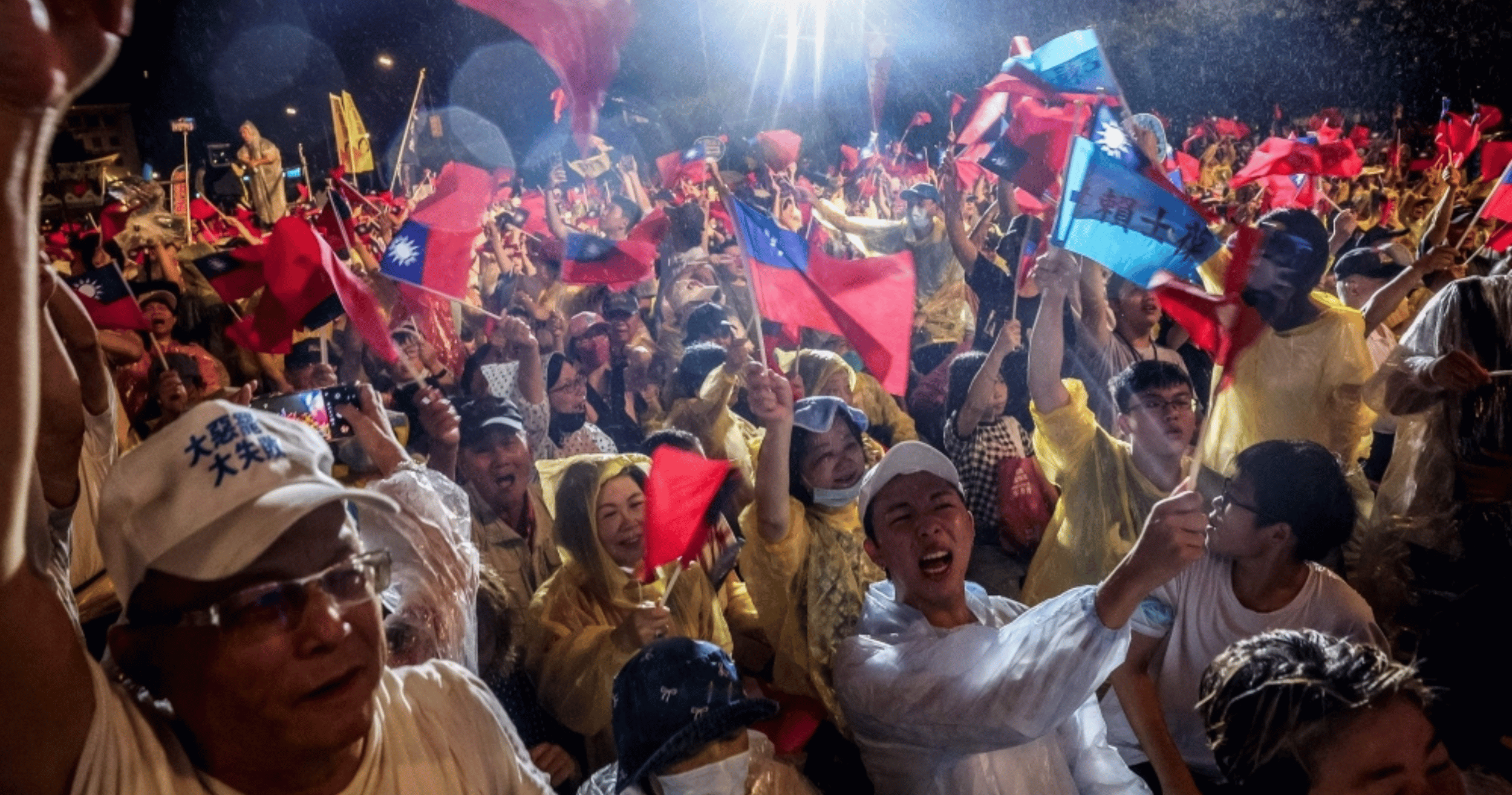
TAIPEI, July 26 — Taiwanese voters headed to schools, churches, and community centres today for a high-stakes recall election that could shift the balance of power in parliament and strengthen President Lai Ching-te’s party.


TAIPEI, July 26 — Taiwanese voters headed to schools, churches, and community centres today for a high-stakes recall election that could shift the balance of power in parliament and strengthen President Lai Ching-te’s party.
The ruling Democratic Progressive Party (DPP), led by Lai, is backing efforts to recall 31 lawmakers from the main opposition Kuomintang (KMT), accusing them of pro-China leanings and posing a threat to national security.
The KMT—which advocates for closer ties with Beijing—currently holds a majority in parliament, supported by the Taiwan People’s Party (TPP). It has strongly condemned the recall push, calling it an unprecedented power grab by the DPP.
Polling stations opened at 8am across Taiwan, with 24 KMT lawmakers facing possible recall in this round. Another seven will be subject to a vote on August 23.
Both the DPP and KMT held rallies in the rain leading up to the vote, as the recall campaign has dominated political discourse, media coverage, and online platforms for months.
While President Lai secured victory in the 2024 presidential election, his party lost its legislative majority. Since then, the KMT and TPP alliance has blocked much of Lai’s agenda, including slashing or freezing parts of the government’s budget.
The escalating power struggle sparked heated parliamentary confrontations, controversial bills to expand legislative powers, and large-scale street protests—leading to the civic-driven recall initiative.
To gain temporary control of the 113-seat parliament, the DPP must successfully recall at least 12 KMT lawmakers. Political risk consultancy Eurasia Group estimates a 60 percent chance of that outcome. To solidify its dominance, the DPP would then need to win six by-election seats later this year—an uphill battle, according to analysts.
Regardless of the results, observers say the recall campaign is likely to deepen Taiwan’s political divide.
“The rhetoric surrounding these recalls has been among the most divisive I’ve seen from both sides,” said Lev Nachman, a political scientist and long-time Taiwan analyst. — AFP
WASHINGTON, April 27 — A man accused of targeting US administration officials at a Washington event has been arrested after allegedly opening fire, injuring a Secret Service agent.
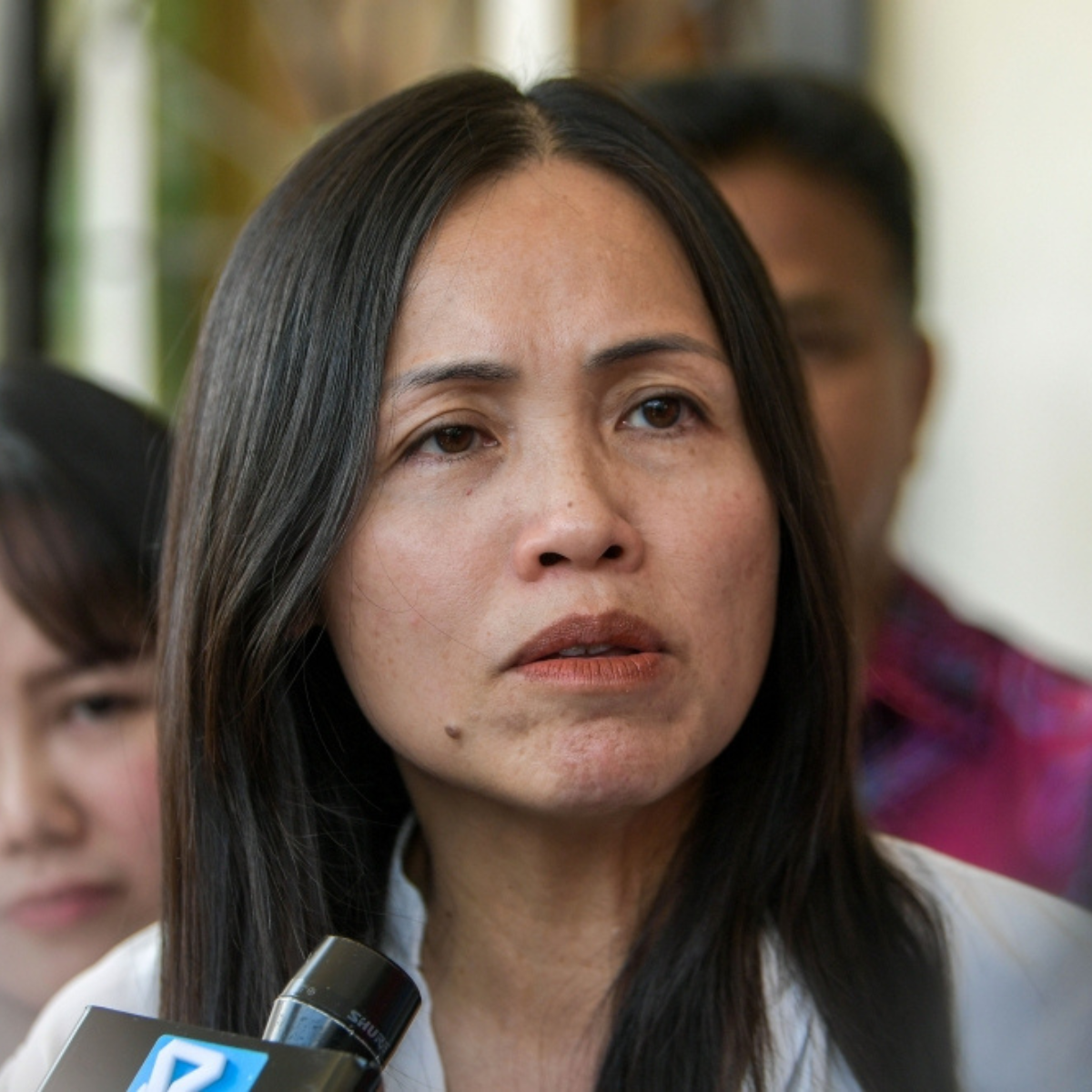
KUALA LUMPUR, April 27 — Social media platforms removed 43,618 pieces of scam-related content in the first quarter of this year, Deputy Communications Minister Teo Nie Ching said.
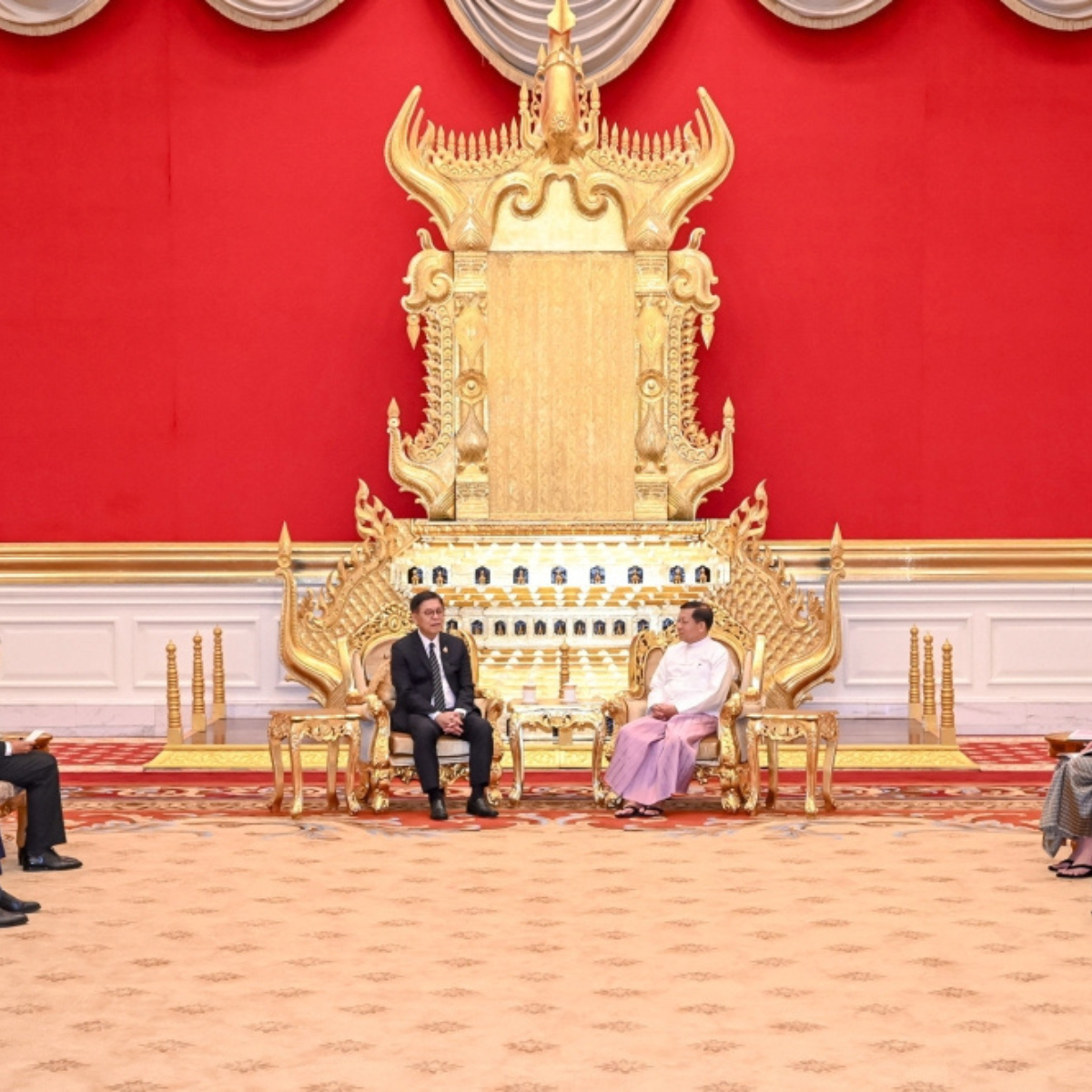
BEIJING, April 26 — China’s top diplomat Wang Yi said Beijing would “firmly support” Myanmar in safeguarding its sovereignty and security during talks with junta leader-turned-president Min Aung Hlaing.