April 27, 2026
World
World
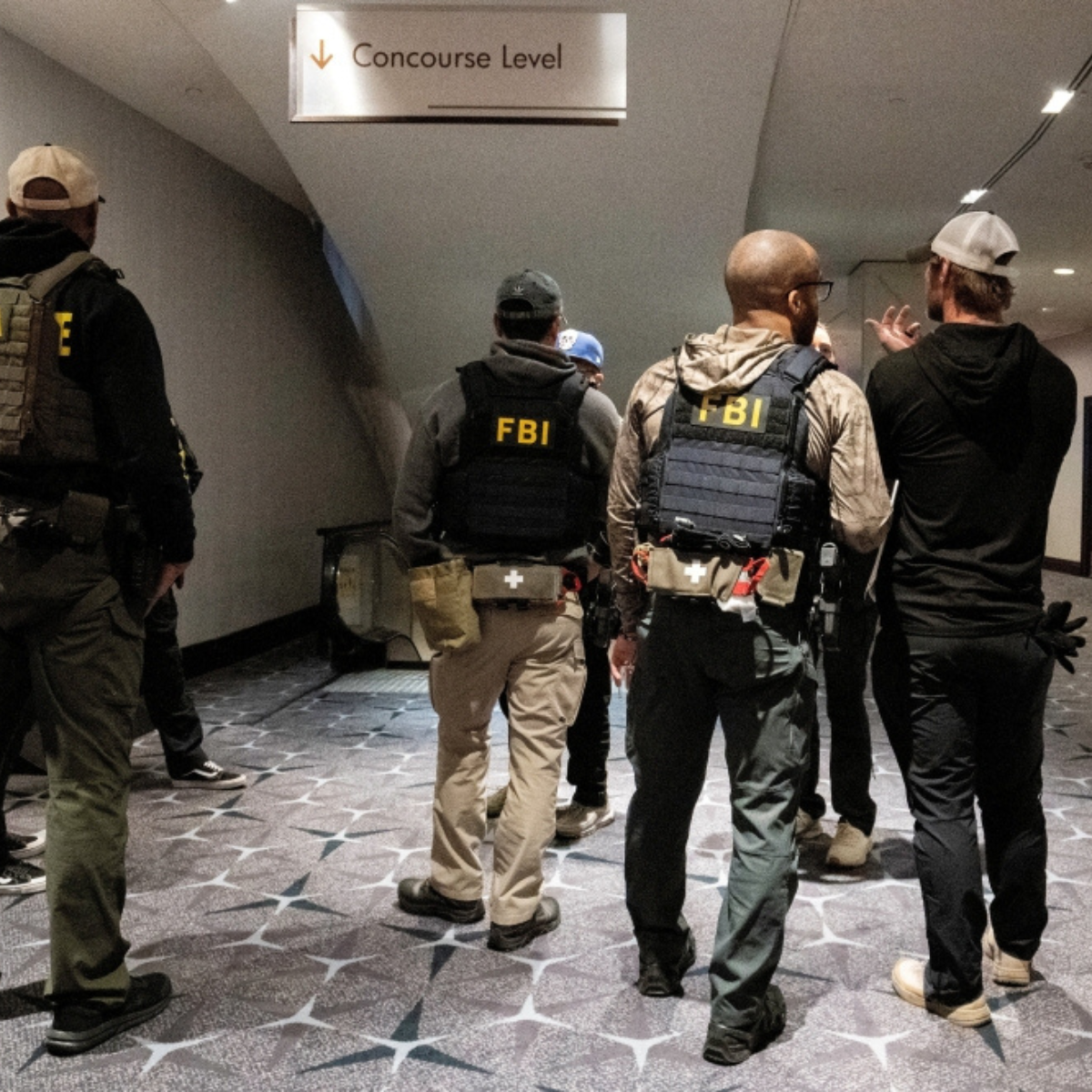
WASHINGTON, April 27 — A man accused of targeting US administration officials at a Washington event has been arrested after allegedly opening fire, injuring a Secret Service agent.

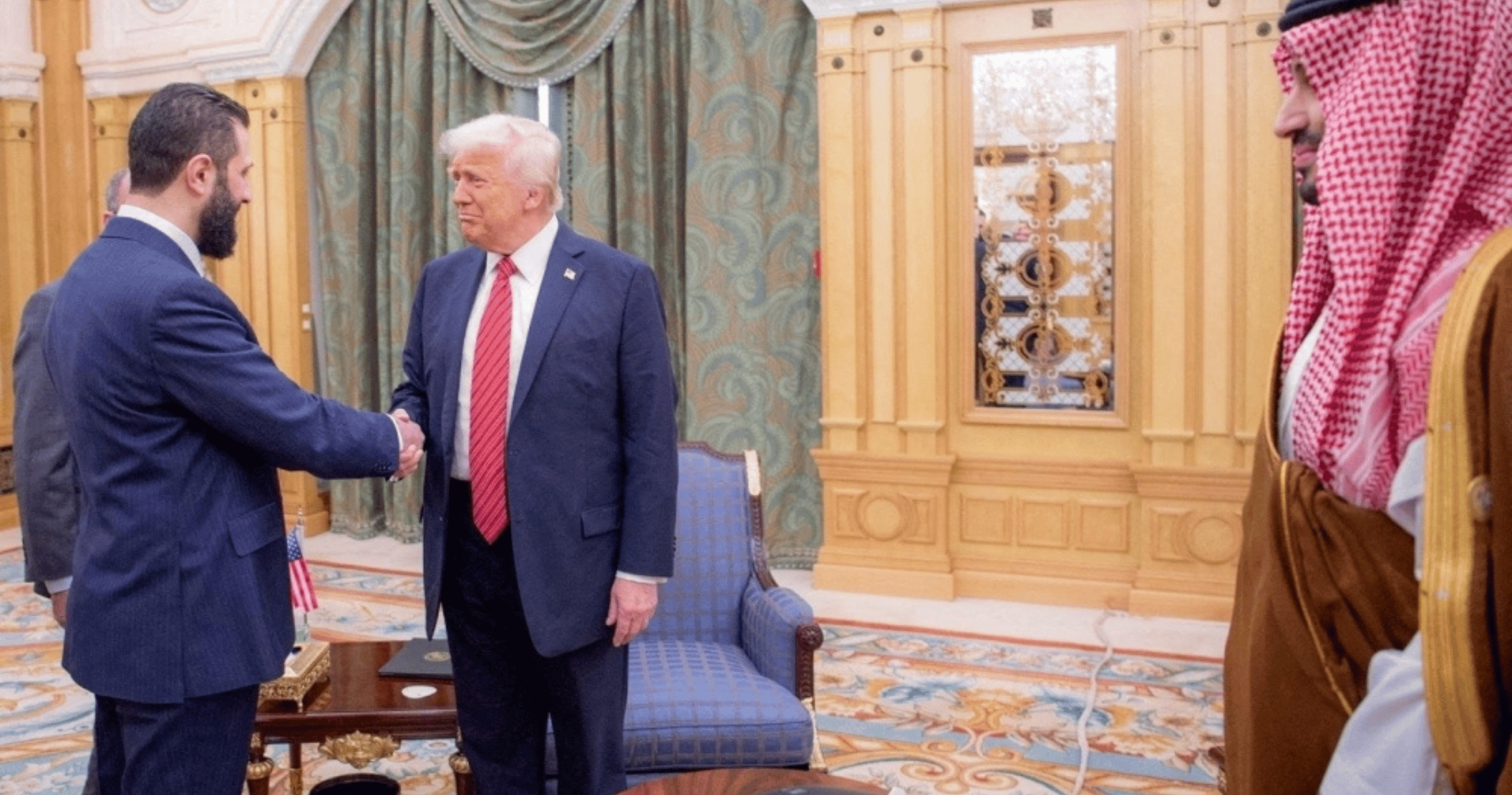
WASHINGTON, July 1 — President Donald Trump on Monday officially ended US sanctions on Syria, aiming to reintegrate the war-torn nation into the global economy amid growing signs that Israel is open to building ties with Syria's new leadership.


WASHINGTON, July 1 — President Donald Trump on Monday officially ended US sanctions on Syria, aiming to reintegrate the war-torn nation into the global economy amid growing signs that Israel is open to building ties with Syria's new leadership.
The move follows Trump’s decision in May to lift most sanctions, in response to calls from Saudi Arabia and Turkey, after former Islamist fighter Ahmed al-Sharaa ousted the Assad family, ending five decades of authoritarian rule.
In a new executive order, Trump revoked the “national emergency” designation imposed on Syria since 2004, which had enforced sweeping sanctions on state institutions, including the central bank.
“This is part of an effort to foster stability and peace in Syria,” said White House Press Secretary Karoline Leavitt.
Brad Smith, the Treasury official overseeing sanctions policy, said the decision would “end Syria’s isolation from the international financial system,” paving the way for global trade and attracting investment from both regional players and the United States.
Sanctions will remain in place against remnants of the previous regime, including former president Bashar al-Assad, who fled to Russia late last year.
Syrian Foreign Minister Assaad al-Shibani hailed the announcement as a “major turning point.”
“With the removal of a key barrier to economic recovery, we are opening long-awaited pathways to reconstruction and development,” Shibani wrote on X. He also said conditions are now more favorable for the “dignified return” of displaced Syrians.
Notably, Syria recently completed its first electronic transaction via the global banking system since its descent into civil war in 2011.
Israel Signals Openness to Ties
Israel, which had continued striking military targets in Syria following Assad’s fall, was initially cautious about the country’s new direction under Sharaa, a former Al-Qaeda-linked figure.
But on Monday, Israel expressed interest in normalizing relations with both Syria and Lebanon, in what could be a dramatic expansion of the Abraham Accords—potentially reshaping regional diplomacy.
Iran’s waning influence in Syria and Lebanon, under heavy Israeli military pressure since the October 7, 2023 Hamas attacks, has also shifted the regional balance.
Trump administration officials argued that lifting sanctions would encourage Syria’s integration into the Middle East and provide incentives for Israel to pursue diplomatic engagement.
“The recent Israeli strikes on Iran created a unique opening,” said Tom Barrack, US ambassador to Turkey and Trump’s envoy on Syria. “This is an unprecedented moment, and the president has assembled a team that can seize it.”
Still, despite optimism about Syria’s new leadership, the post-Assad era has seen ongoing violence, including a deadly June 22 attack on a Greek Orthodox church in Damascus that killed at least 25 and wounded dozens, in what authorities suspect was an Islamist attack.
Until Trump’s unexpected sanctions rollback during his recent visit to Saudi Arabia, Washington had conditioned any major policy shift on progress in areas such as minority protection.
Syria remains on the US list of state sponsors of terrorism—a designation that will likely take longer to reverse and continues to pose a major obstacle to foreign investment. — AFP
WASHINGTON, April 27 — A man accused of targeting US administration officials at a Washington event has been arrested after allegedly opening fire, injuring a Secret Service agent.
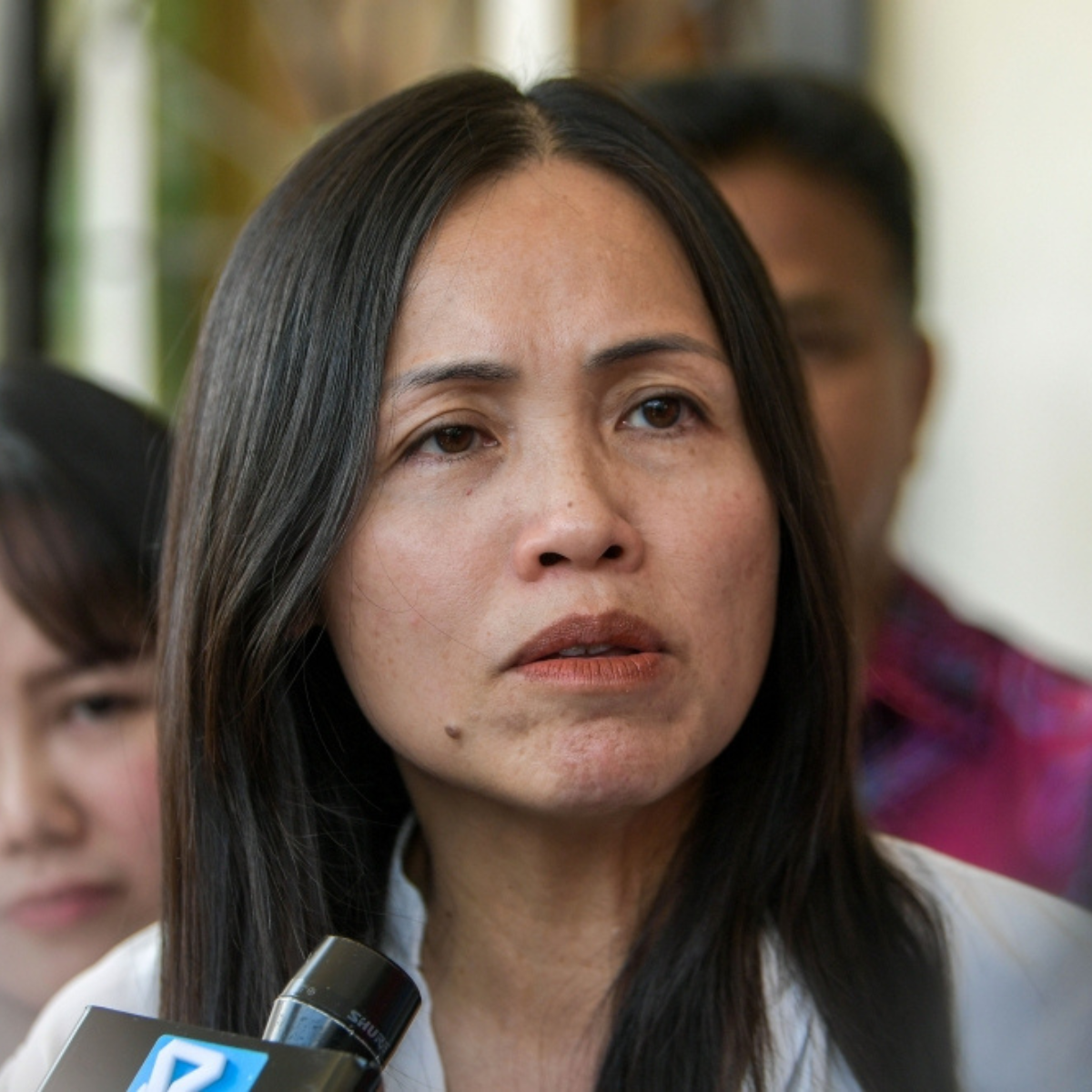
KUALA LUMPUR, April 27 — Social media platforms removed 43,618 pieces of scam-related content in the first quarter of this year, Deputy Communications Minister Teo Nie Ching said.
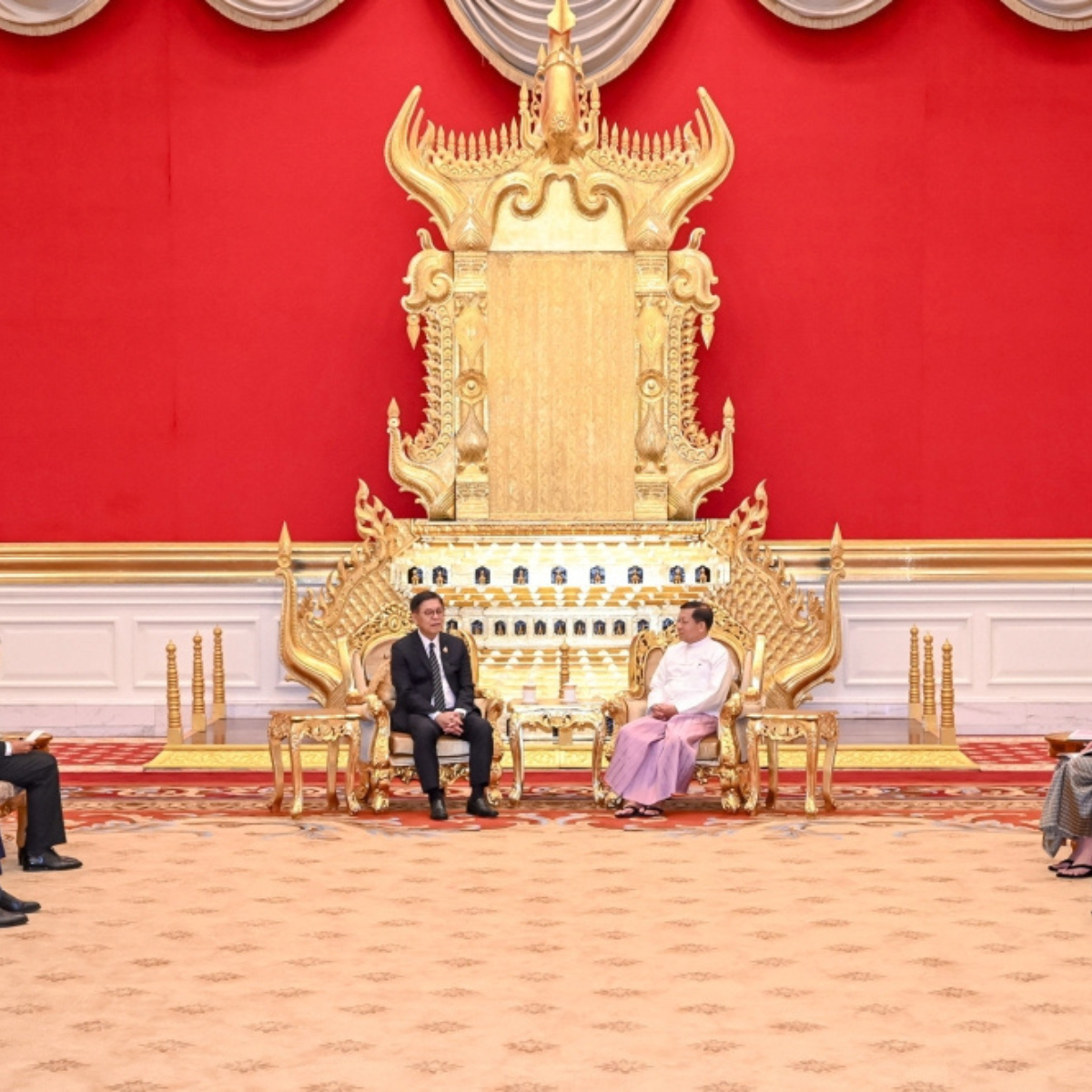
BEIJING, April 26 — China’s top diplomat Wang Yi said Beijing would “firmly support” Myanmar in safeguarding its sovereignty and security during talks with junta leader-turned-president Min Aung Hlaing.