April 27, 2026
World
World
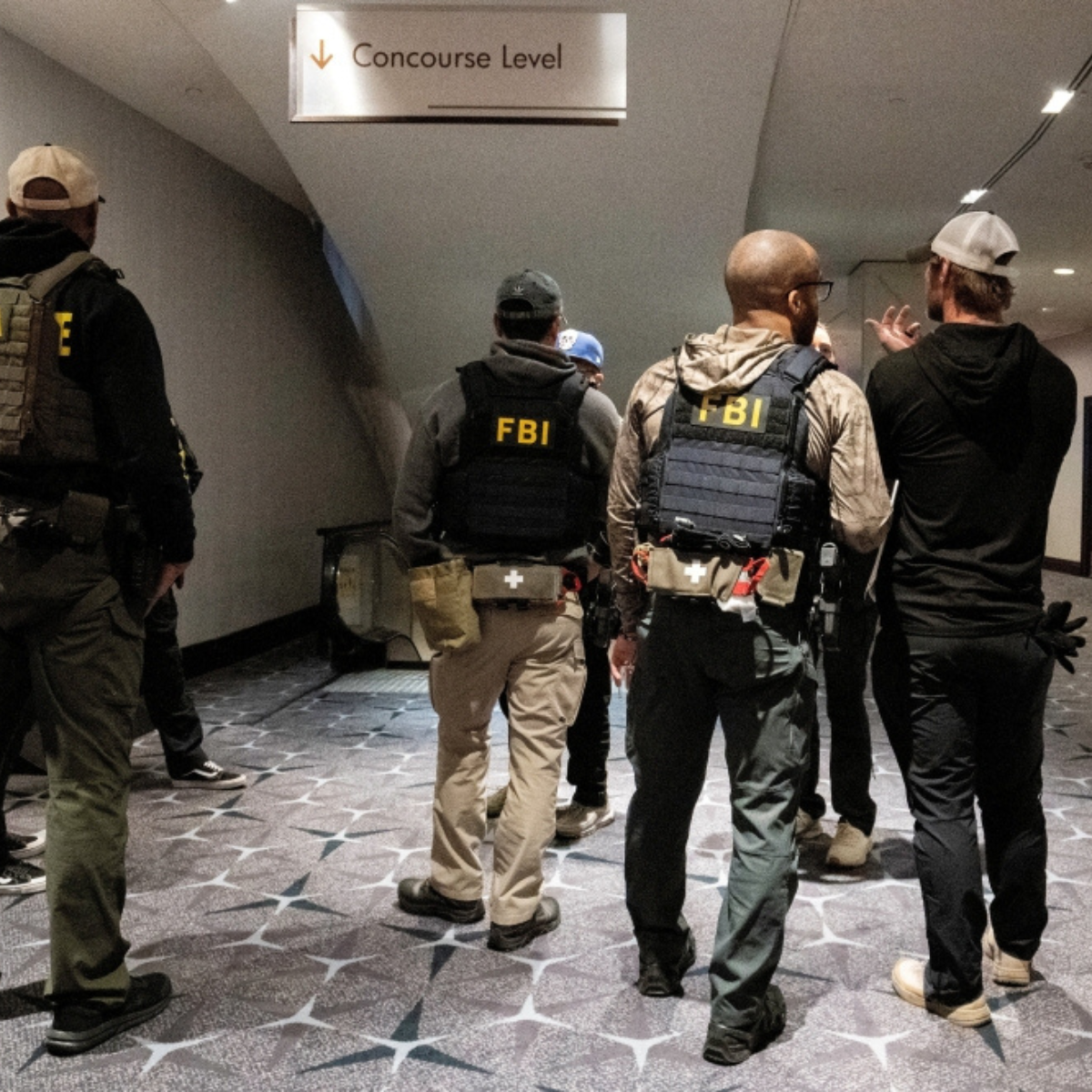
WASHINGTON, April 27 — A man accused of targeting US administration officials at a Washington event has been arrested after allegedly opening fire, injuring a Secret Service agent.

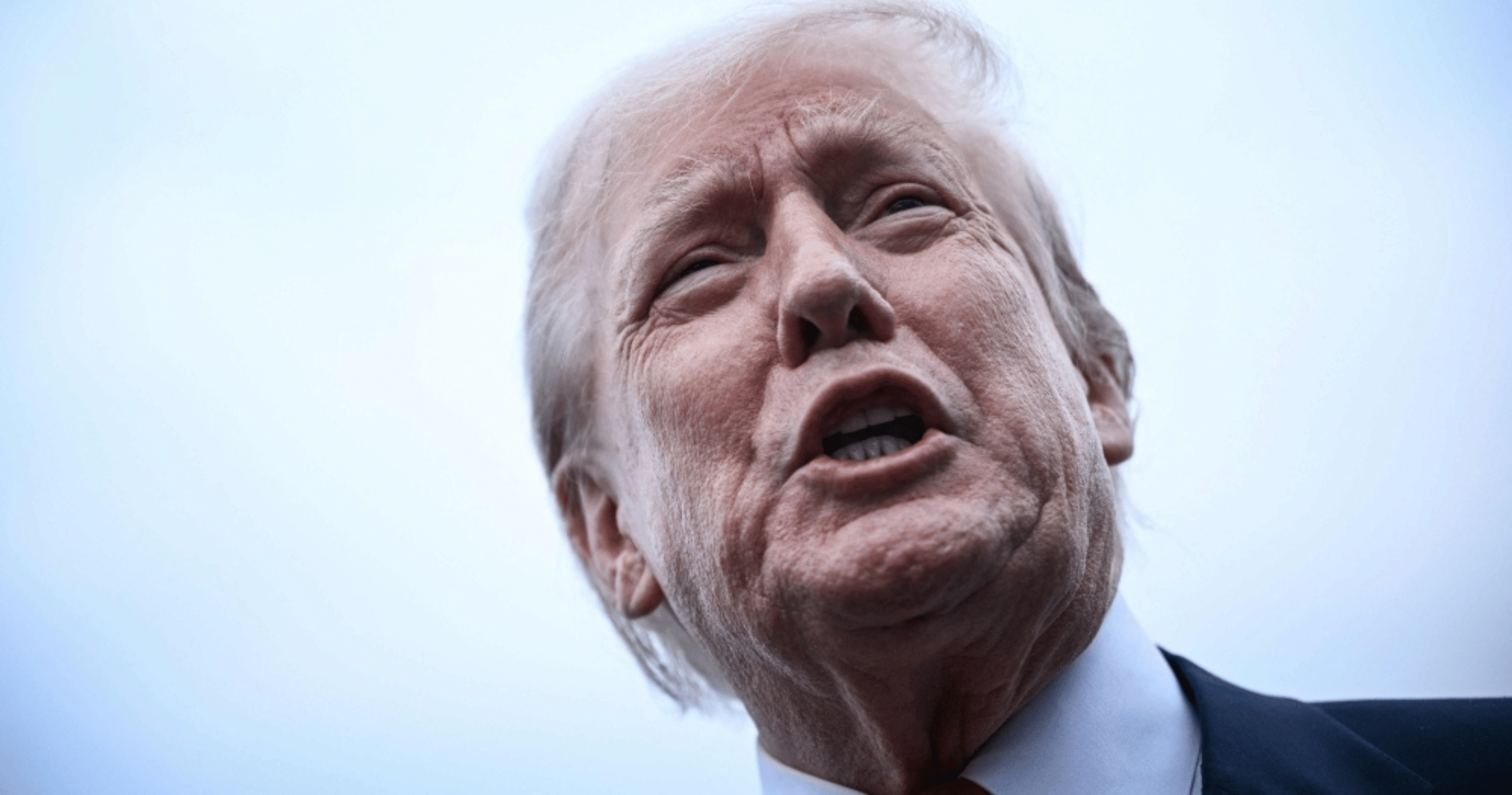
BRUSSELS, July 26 — European Commission President Ursula von der Leyen and U.S. President Donald Trump have announced plans to meet in Scotland this weekend in a last-ditch effort to resolve a protracted transatlantic trade dispute.


BRUSSELS, July 26 — European Commission President Ursula von der Leyen and U.S. President Donald Trump have announced plans to meet in Scotland this weekend in a last-ditch effort to resolve a protracted transatlantic trade dispute.
In his drive to reduce the U.S. trade deficit, Trump has warned that dozens of countries could face steep tariff hikes unless new trade agreements are reached by August 1. The European Union, facing a potential blanket 30 per cent tariff, is working hard to strike a deal with Washington while simultaneously preparing retaliatory measures should negotiations fail.
Von der Leyen revealed the upcoming meeting in a post on X (formerly Twitter), writing: “Following a good call with POTUS, we have agreed to meet in Scotland on Sunday to discuss transatlantic trade relations, and how we can keep them strong.”
Trump, speaking after arriving at Prestwick Airport near Glasgow late Friday, confirmed the meeting. “I’ll be meeting with the EU on Sunday, and we’ll be working on a deal,” he said. Referring to von der Leyen as “a highly respected woman,” Trump added, “We’ll see if we make a deal,” noting that there were still about 20 unresolved issues and placing the chances of an agreement at “50-50.”
“If we succeed, it would actually be the biggest deal of all,” he said.
The high-stakes meeting follows months of back-and-forth between EU and U.S. trade officials, with recent signs suggesting progress toward a compromise. According to several European diplomats, the potential agreement includes a baseline 15 per cent U.S. tariff on EU goods—matching the rate recently agreed with Japan—with possible exemptions for key sectors.
Von der Leyen’s spokesperson, Paula Pinho, said intense technical and political negotiations have been ongoing in preparation for Sunday’s talks. “Leaders will now take stock and assess the potential for a balanced outcome that ensures stability and predictability for businesses and consumers on both sides of the Atlantic,” she said.
Trump Holds the Key
The EU has already been hit by several rounds of U.S. tariffs since Trump returned to office, including 25 per cent on cars, 50 per cent on steel and aluminium, and a general 10 per cent levy—threatened to rise to 30 per cent if talks collapse.
With Europe’s economy already facing weak growth, Brussels is eager to avoid additional damage to a trading relationship worth €1.6 trillion (US$1.9 trillion) annually in goods and services.
EU member states have authorized the European Commission to pursue a deal, but have also approved a retaliation package targeting US$109 billion (€93 billion) worth of U.S. goods, including vehicles and aircraft. The tariffs would take effect in stages beginning August 7 if no deal is reached.
While most EU countries favour reaching an agreement—even one involving a 15 per cent tariff—they are pushing for key exemptions. Sectors such as aerospace, steel, pharmaceuticals, lumber, and agriculture are under active discussion.
On steel, diplomats have indicated a possible compromise where a limited quota of EU steel would enter the U.S. tariff-free, with volumes exceeding that amount taxed at 50 per cent.
So far, the Trump administration has finalized just five trade deals—among them, agreements with Japan, Britain, and the Philippines.
Despite cautious optimism, the looming August 1 deadline has revived fears of another collapse. Earlier this month, EU officials believed a deal was imminent—only for Trump to abruptly raise the tariff threat to 30 per cent.
“The final call lies with President Trump,” one EU diplomat said. — AFP
WASHINGTON, April 27 — A man accused of targeting US administration officials at a Washington event has been arrested after allegedly opening fire, injuring a Secret Service agent.
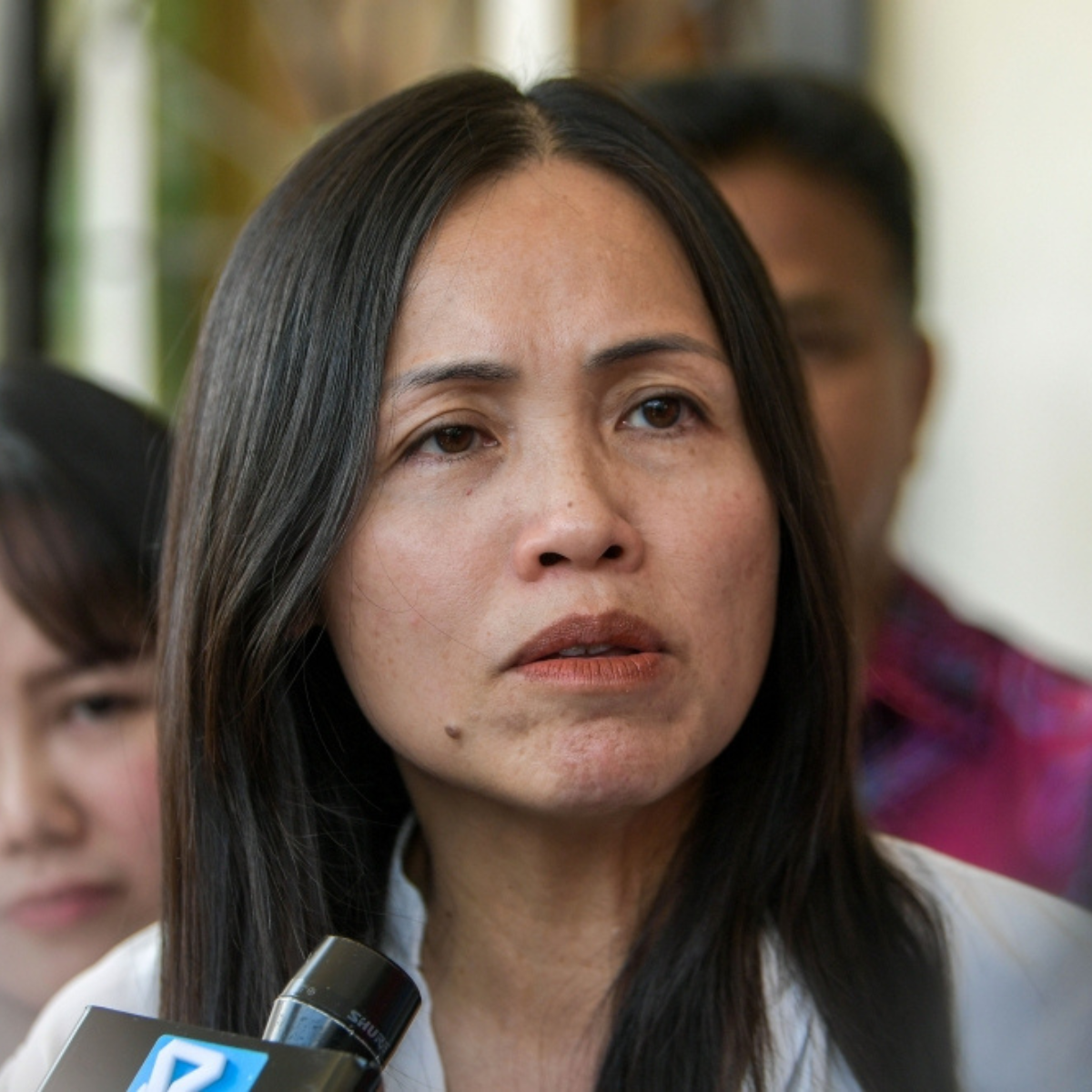
KUALA LUMPUR, April 27 — Social media platforms removed 43,618 pieces of scam-related content in the first quarter of this year, Deputy Communications Minister Teo Nie Ching said.
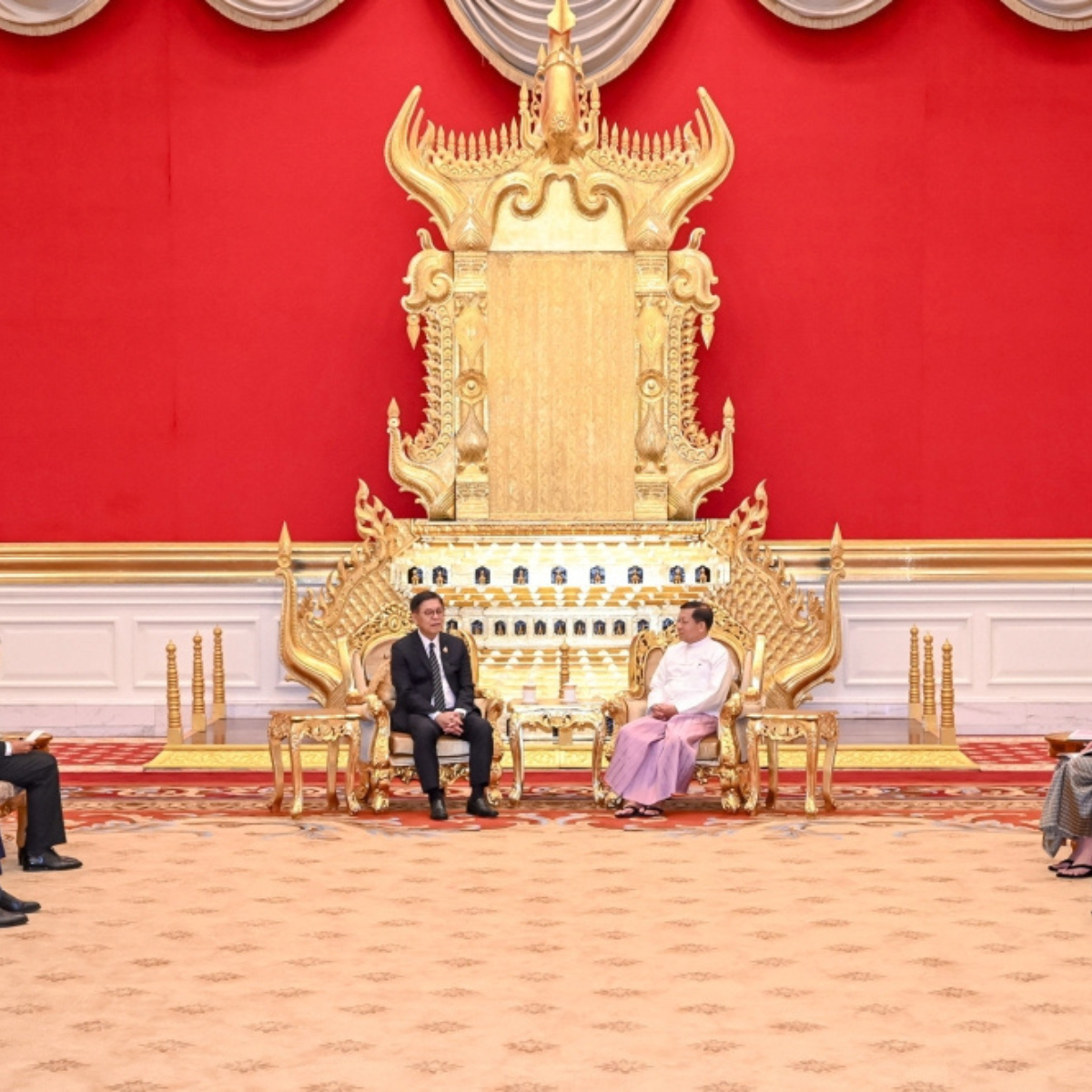
BEIJING, April 26 — China’s top diplomat Wang Yi said Beijing would “firmly support” Myanmar in safeguarding its sovereignty and security during talks with junta leader-turned-president Min Aung Hlaing.