April 27, 2026
World
World
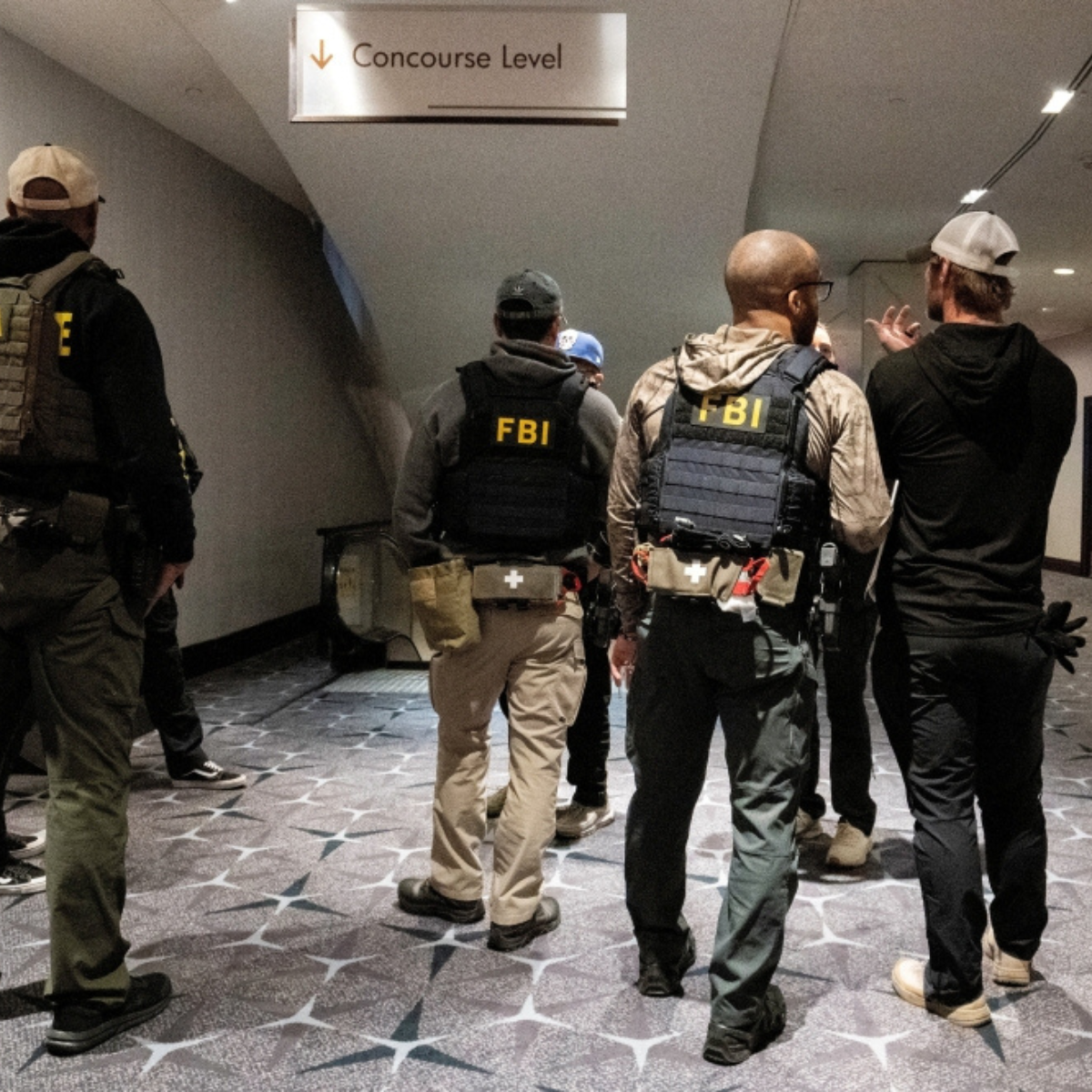
WASHINGTON, April 27 — A man accused of targeting US administration officials at a Washington event has been arrested after allegedly opening fire, injuring a Secret Service agent.

WASHINGTON, July 24 — President Donald Trump yesterday introduced a sweeping, deregulation-focused strategy aimed at boosting the U.S. lead in artificial intelligence and outpacing China in the rapidly evolving tech sector.


WASHINGTON, July 24 — President Donald Trump yesterday introduced a sweeping, deregulation-focused strategy aimed at boosting the U.S. lead in artificial intelligence and outpacing China in the rapidly evolving tech sector.
Titled the America’s AI Action Plan, the 25-page blueprint lays out three central goals: accelerating AI innovation, building the necessary infrastructure, and asserting global leadership in the field.
Framed as vital to national economic and military dominance, the plan sidelines environmental considerations and emphasizes AI as a cornerstone of American supremacy.
"America launched the AI race, and today I’m here to declare that we’re going to win it,” Trump said at an AI-focused event in Washington, calling the competition a challenge comparable to the space race. He followed the announcement by signing multiple executive orders to bolster the plan’s legal authority.
Among more than 90 outlined proposals, the plan advocates for widespread deregulation to foster private sector innovation, promising to “cut red tape” and remove “onerous regulation” that might hinder AI development.
In a speech touching on globalism and national loyalty, Trump criticized major tech firms for outsourcing jobs and profits, stating, “Winning the AI race will require a renewed spirit of patriotism in Silicon Valley and beyond.”
Push for a Unified Federal Standard
The plan also proposes measures to block individual U.S. states from enacting their own AI regulations. It includes threats to withdraw federal support from non-compliant states.
“We must have a single national standard, not 50 conflicting sets of rules,” Trump said.
However, civil liberties groups such as the ACLU have expressed alarm, warning that the move could undermine civil rights protections and allow biased AI systems in critical areas like employment, healthcare, and policing to go unchecked.
The administration further emphasized that AI tools contracted by the federal government must be “free from ideological bias” and aligned with “objective truth” — distancing themselves from what Trump’s team calls “social engineering agendas,” including diversity and inclusion efforts.
Copyright Immunity, Infrastructure, and Energy
Trump also called for shielding AI development from copyright litigation, a topic currently being debated in U.S. courts.
“It’s just common sense,” he said. “You can’t expect AI to flourish when it’s bogged down by paying for every article or book it processes.”
Infrastructure development forms another key pillar of the plan. It promotes rapid construction of data centers and energy facilities, proposing to bypass environmental review processes to accelerate AI infrastructure rollout. Federal lands would be opened up for development, with support for new coal and nuclear plants to meet escalating energy demands.
Global Influence and Tech Exports
The strategy includes measures to curb China’s influence in international regulatory bodies and tighten export controls on advanced AI technologies. An executive order also commits to championing U.S. tech dominance in global markets.
“These actions ensure America sets the global benchmark in technology, keeping the world running on American innovation,” said Secretary of State Marco Rubio.
Backlash from Environmental and Civil Groups
Critics argue the plan is heavily tilted in favor of big tech and undermines environmental safeguards. Jean Su of the Center for Biological Diversity slammed the proposal, saying, “Trump’s AI plan reads like a modern-day Gilded Age blueprint — enriching corporations at the cost of everyday Americans and the planet.”
WASHINGTON, April 27 — A man accused of targeting US administration officials at a Washington event has been arrested after allegedly opening fire, injuring a Secret Service agent.
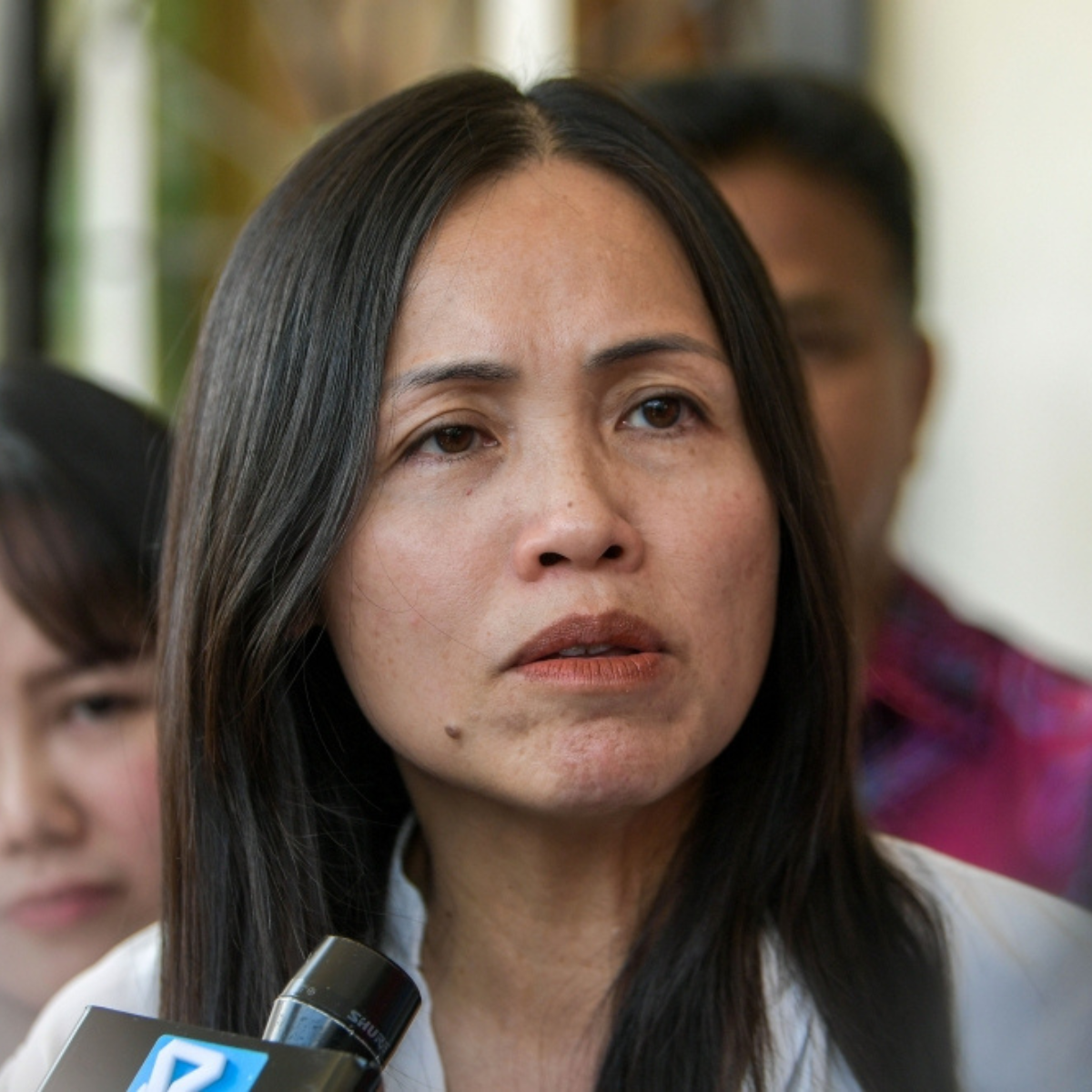
KUALA LUMPUR, April 27 — Social media platforms removed 43,618 pieces of scam-related content in the first quarter of this year, Deputy Communications Minister Teo Nie Ching said.
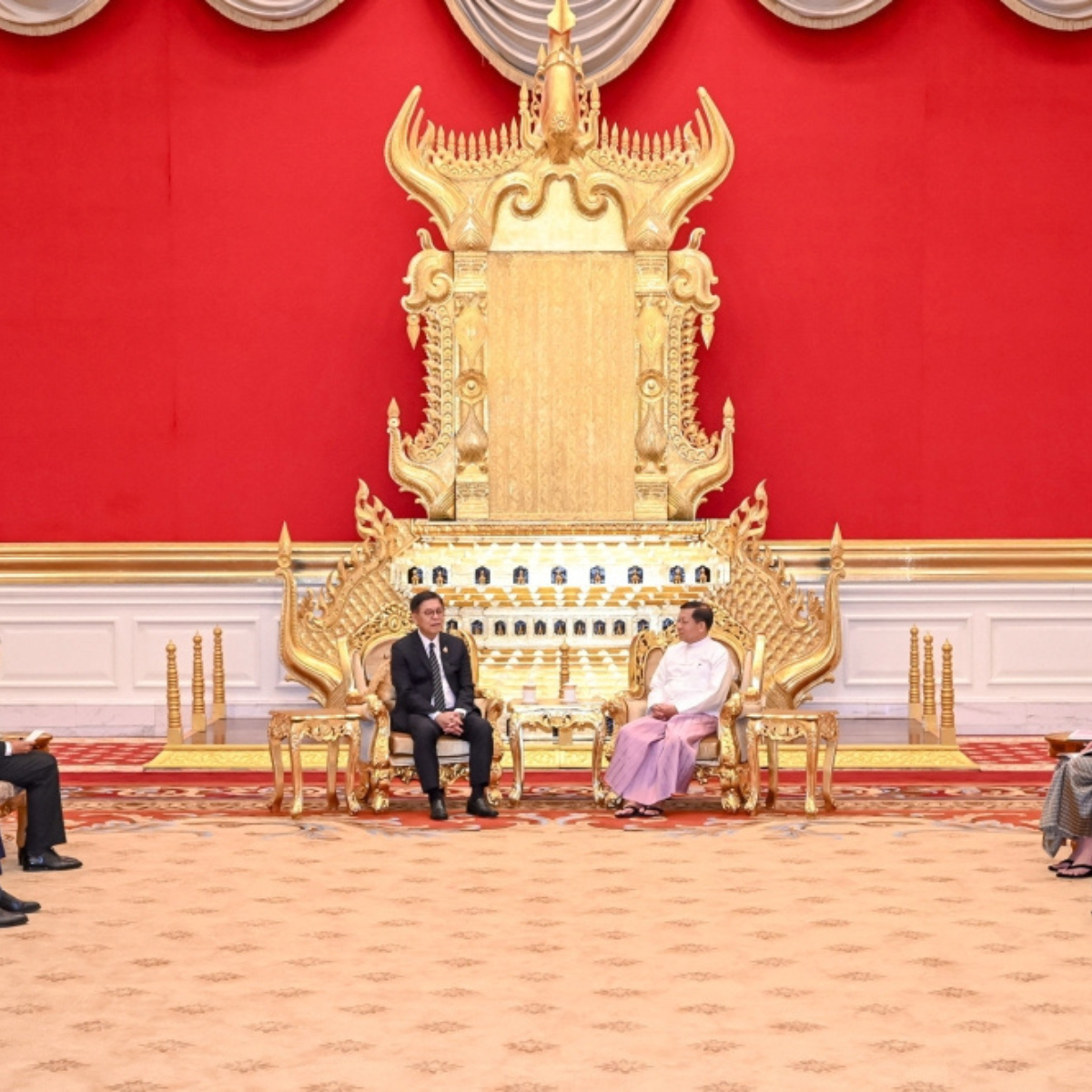
BEIJING, April 26 — China’s top diplomat Wang Yi said Beijing would “firmly support” Myanmar in safeguarding its sovereignty and security during talks with junta leader-turned-president Min Aung Hlaing.