April 27, 2026
World
World
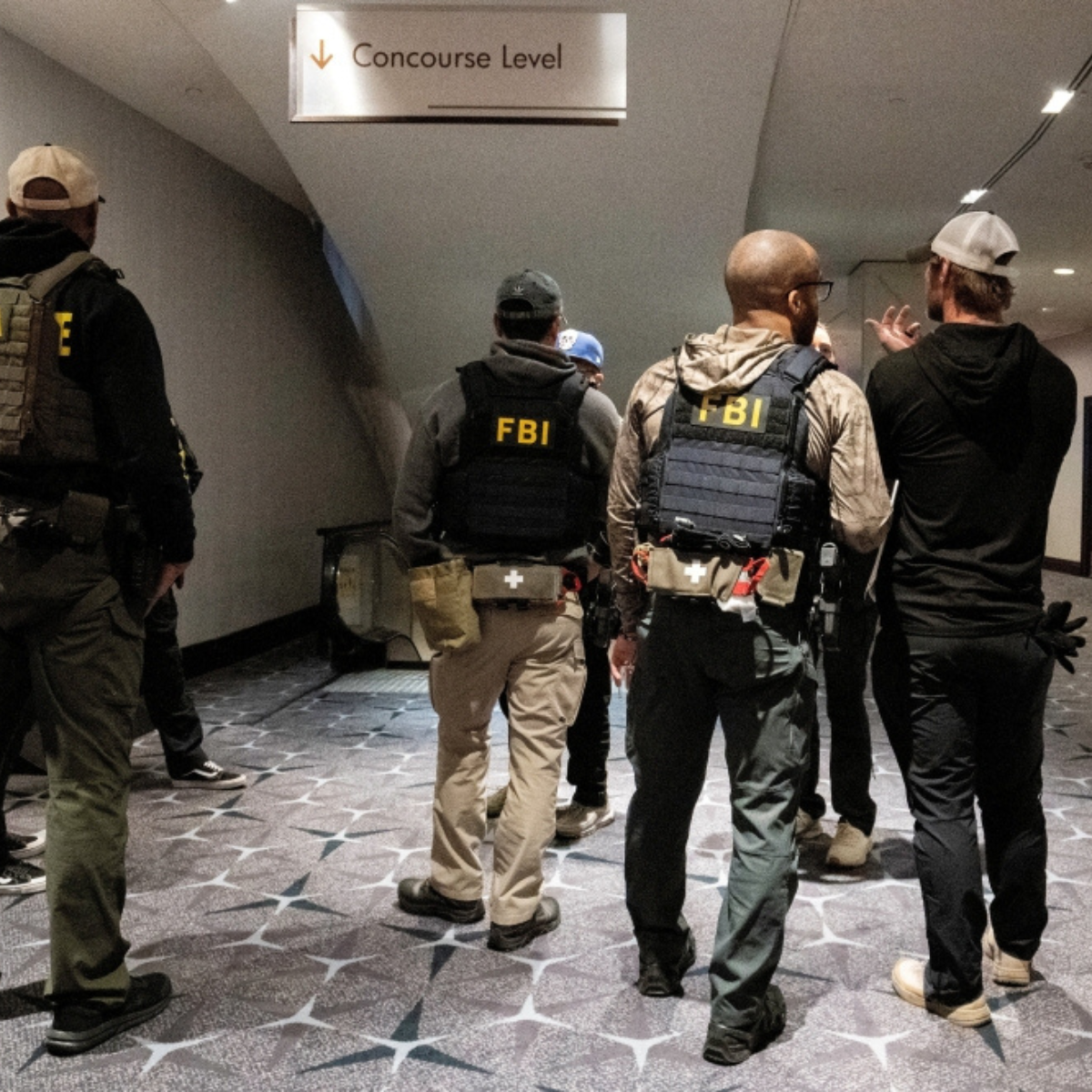
WASHINGTON, April 27 — A man accused of targeting US administration officials at a Washington event has been arrested after allegedly opening fire, injuring a Secret Service agent.

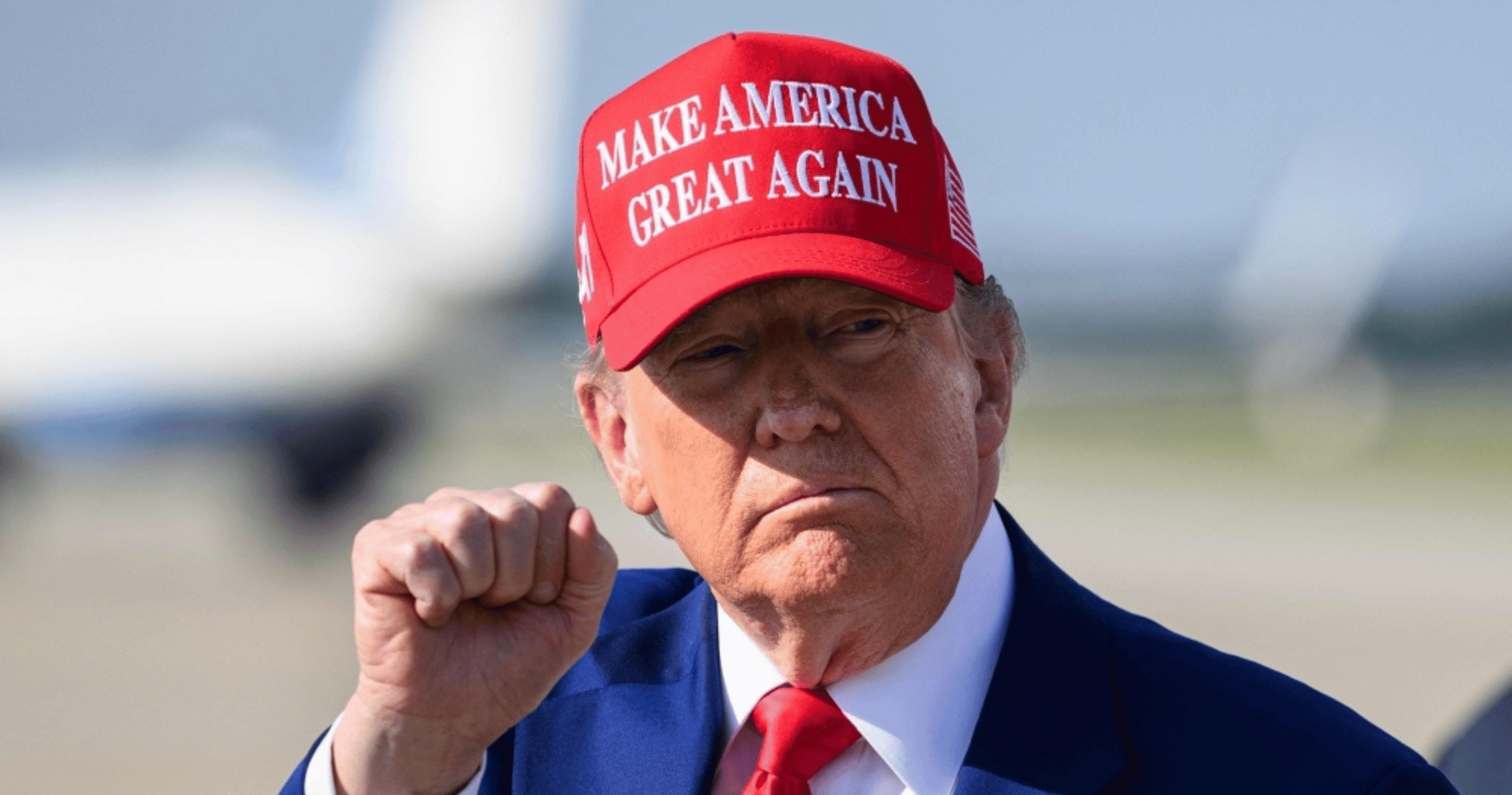
WASHINGTON, June 22 — For nearly 50 years, tensions between the United States and Iran’s Islamic republic have simmered largely behind the scenes, with Washington often opting for diplomacy — however reluctant — over direct confrontation.


WASHINGTON, June 22 — For nearly 50 years, tensions between the United States and Iran’s Islamic republic have simmered largely behind the scenes, with Washington often opting for diplomacy — however reluctant — over direct confrontation.
That changed with President Donald Trump’s decision to launch strikes on Iran’s nuclear facilities. Encouraged by Israel, the move has brought the long-running conflict into full view, and its long-term consequences remain uncertain.
“We won’t know if this action was successful unless Iran refrains from developing nuclear weapons over the next three to five years — and now, they have more reason than ever to pursue them,” said Kenneth Pollack, a former CIA analyst and Iraq War advocate, who now serves as vice president for policy at the Middle East Institute.
While U.S. intelligence had not concluded that Iran was actively building a nuclear bomb, Tehran’s sensitive nuclear work has been widely viewed as a strategic bargaining tool. Iran is also believed to have anticipated and prepared for such strikes.
Trita Parsi, executive vice president of the Quincy Institute for Responsible Statecraft and a vocal critic of military interventions, warned that Trump’s actions could backfire.
“Trump has now increased the likelihood that Iran becomes a nuclear weapons state within five to ten years,” he said. “We must not confuse tactical success with strategic victory. The Iraq War started with swift gains too, but President Bush’s ‘Mission Accomplished’ speech aged poorly.”
A vulnerable Iran
Trump’s strike comes as Iran faces one of its weakest moments since the 1979 Islamic Revolution, which overthrew the U.S.-backed Shah.
Following the Hamas-led attack on Israel on October 7, 2023 — with backing from Iran — Israel has launched devastating military offensives in Gaza and Lebanon. Hezbollah, a powerful Iranian proxy, has been significantly weakened. Meanwhile, Iran’s key regional ally, Syrian President Bashar al-Assad, was ousted in December.
Supporters of the strikes argue that diplomatic efforts had reached a dead end, with Iran refusing to back down on its uranium enrichment program.
“Tensions didn’t escalate overnight. The U.S. administration genuinely pursued diplomacy,” said Ted Deutch, a former Democratic congressman and current head of the American Jewish Committee. “But the Iranian regime rejected every opportunity to negotiate.”
Senate Republican Leader John Thune echoed similar sentiments, citing Tehran’s hostile rhetoric toward the U.S. and Israel. “Iran has shut down every diplomatic pathway,” he said.
Diplomacy derailed
Trump’s move also marks a dramatic departure from the approach of former president Barack Obama, who in 2015 brokered a landmark deal in which Iran agreed to significantly scale back its nuclear program — a deal Trump abandoned in 2018 during his first term.
Although Trump had recently positioned himself as a peacemaker — even expressing optimism just a month ago during visits to Gulf Arab states — Israel’s military strike on Iran prompted a sudden reversal.
Jennifer Kavanagh, director of military analysis at Defence Priorities, said Trump’s abrupt decision to abandon his own diplomatic track will make future negotiations much harder.
“Iran now has no reason to trust Trump or believe that compromise will serve its interests,” she said.
Domestically, Iran’s leadership is also under pressure. Protests erupted in 2022 following the death of Mahsa Amini in police custody after she was detained for allegedly violating the country's dress code for women.
Karim Sadjadpour, a senior fellow at the Carnegie Endowment for International Peace, wrote on social media that the implications of Trump’s strikes are vast.
“This unprecedented U.S. bombing of Iran’s nuclear facilities could be a turning point for Iran, the region, American foreign policy, global non-proliferation — and possibly the world order itself,” he said.
“Its true impact may not be clear for decades.” — AFP
WASHINGTON, April 27 — A man accused of targeting US administration officials at a Washington event has been arrested after allegedly opening fire, injuring a Secret Service agent.
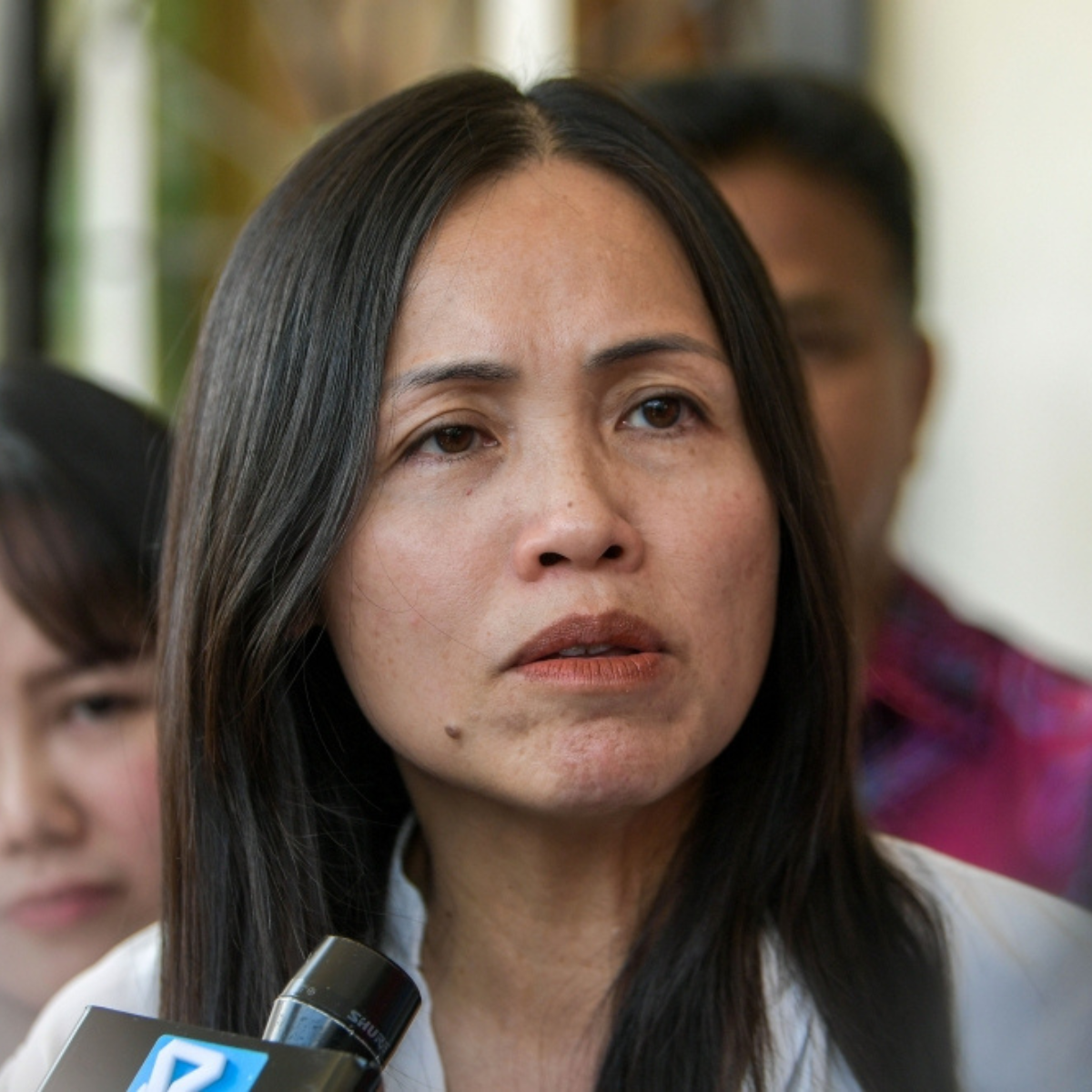
KUALA LUMPUR, April 27 — Social media platforms removed 43,618 pieces of scam-related content in the first quarter of this year, Deputy Communications Minister Teo Nie Ching said.
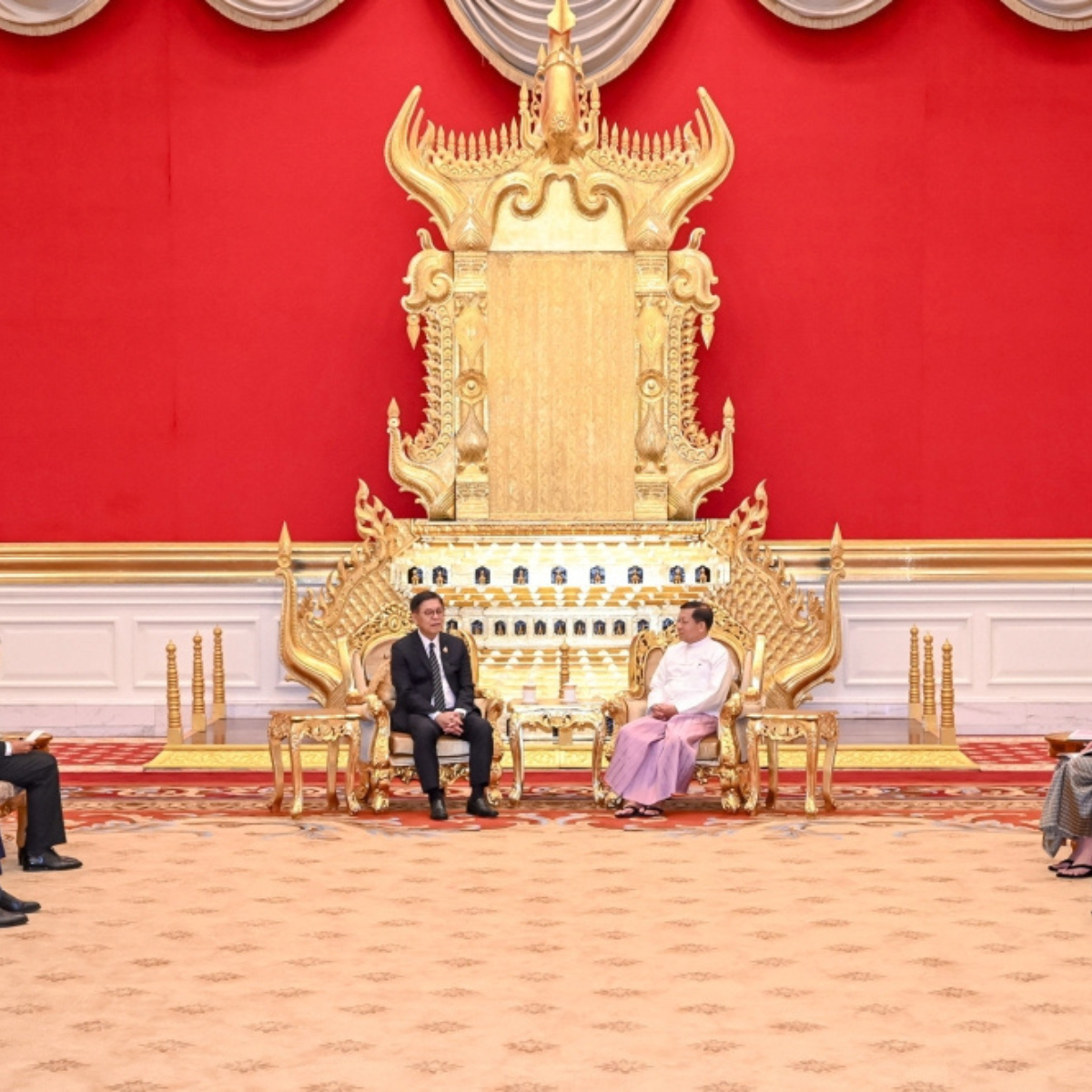
BEIJING, April 26 — China’s top diplomat Wang Yi said Beijing would “firmly support” Myanmar in safeguarding its sovereignty and security during talks with junta leader-turned-president Min Aung Hlaing.