April 27, 2026
World
World
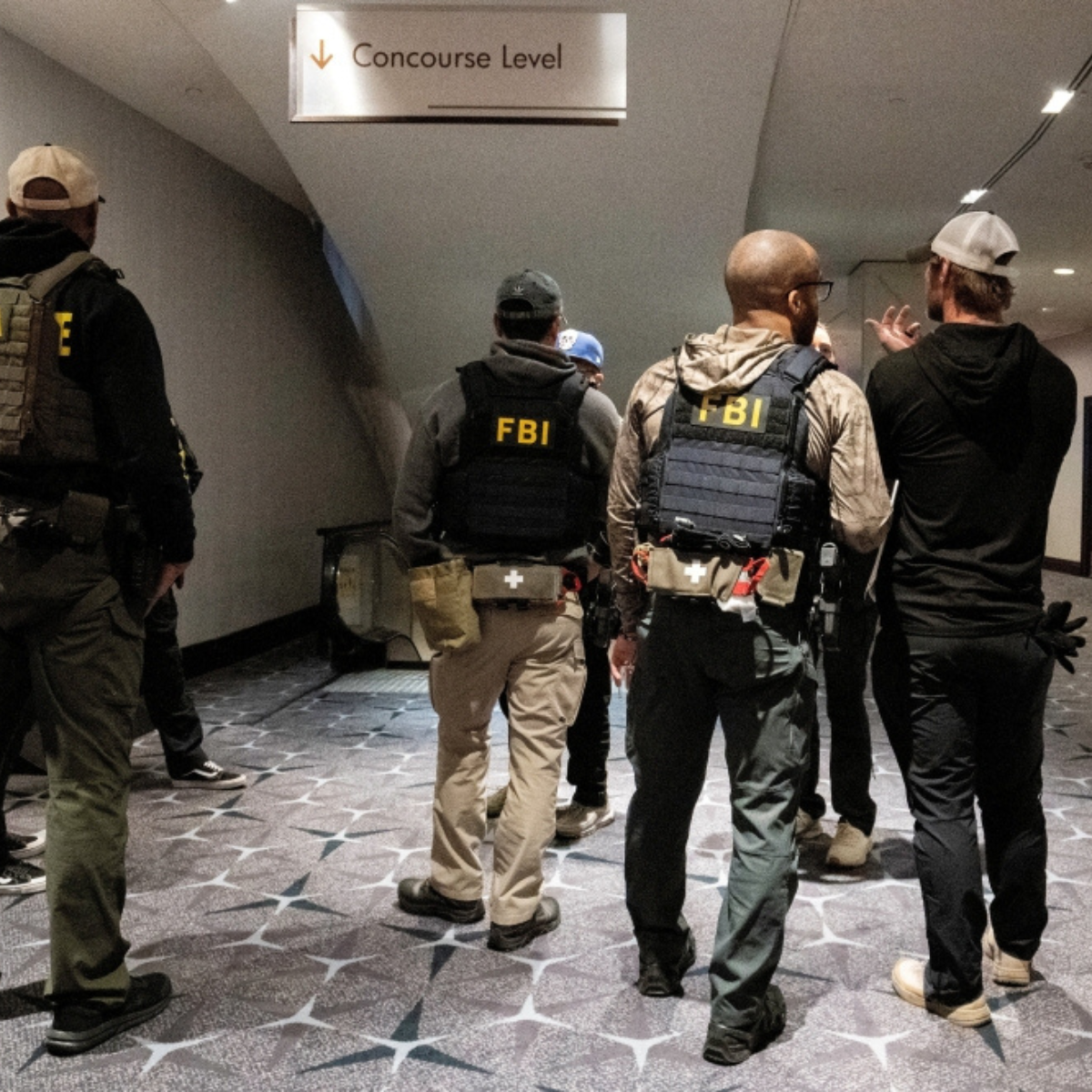
WASHINGTON, April 27 — A man accused of targeting US administration officials at a Washington event has been arrested after allegedly opening fire, injuring a Secret Service agent.

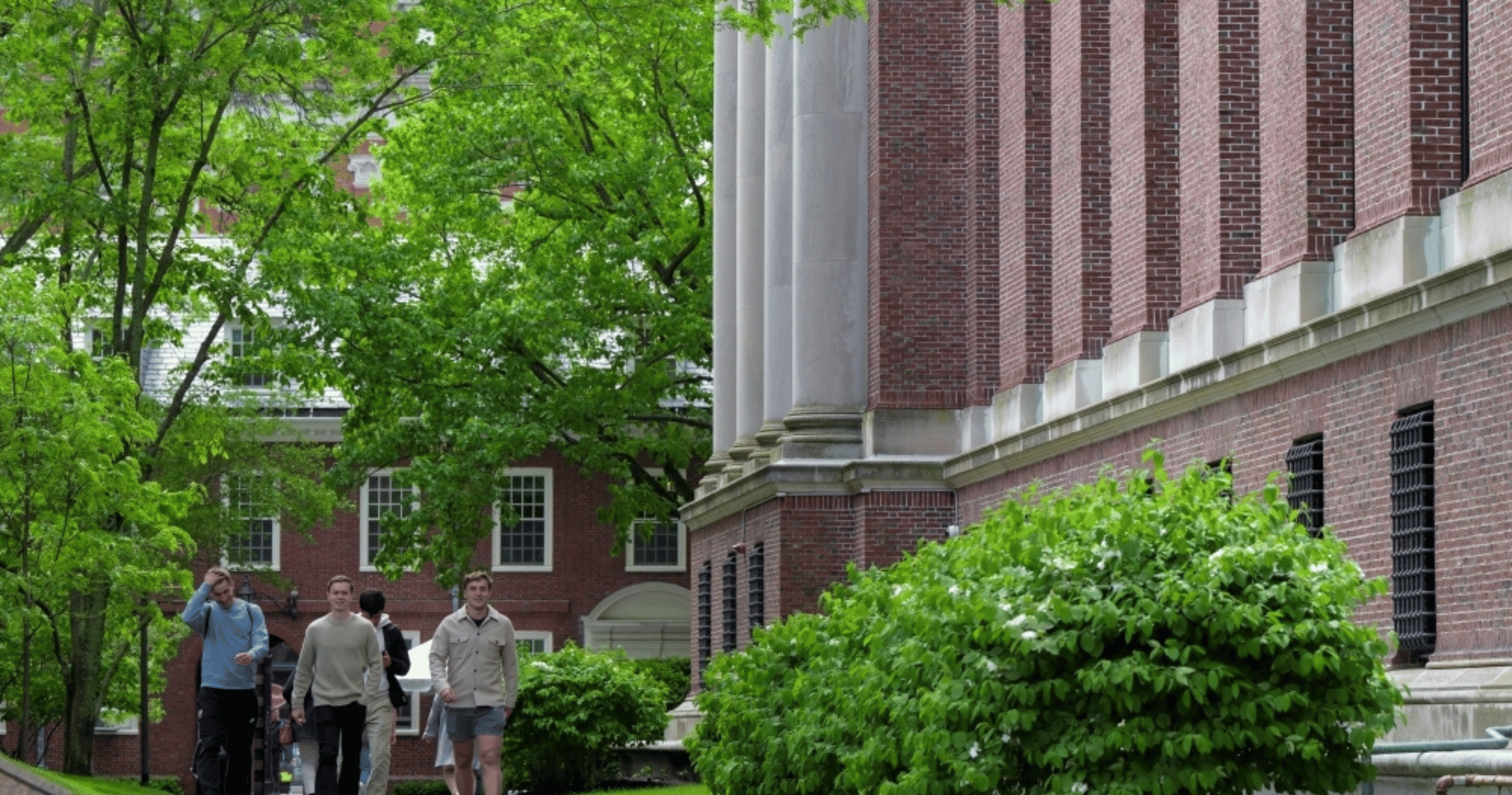
WASHINGTON, June 19 — Foreign students applying to study in the United States will now be required to make their social media accounts public for screening as part of new State Department guidelines introduced yesterday.


WASHINGTON, June 19 — Foreign students applying to study in the United States will now be required to make their social media accounts public for screening as part of new State Department guidelines introduced yesterday.
The policy shift follows a temporary pause in the issuance of student visas at the end of May, during which the State Department developed the new social media rules. Visa appointments will now resume.
A senior State Department official said the enhanced vetting is intended to ensure comprehensive checks on all individuals seeking to enter the U.S.
“By expanding social media screening, we are making sure every person attempting to visit our country is thoroughly vetted,” the official stated.
As part of the process, applicants for student and exchange visitor visas will be asked to adjust the privacy settings on all their social media profiles to “public,” the official added.
This move aligns with an executive order signed by President Donald Trump on his first day in office, which called for stricter screening of individuals entering the U.S. to ensure they do not harbor hostile views toward the country’s people, culture, government, institutions, or founding values.
Student visas have become a recurring point of contention under the Trump administration, which has revoked thousands of visas and even attempted to bar institutions like Harvard University from admitting international students.
Secretary of State Marco Rubio has also used a rarely invoked law to revoke visas of students who participated in protests critical of Israel’s military actions in Gaza, arguing that their actions conflict with U.S. foreign policy interests.
In April, the Department of Homeland Security announced that foreign student applicants' social media would also be reviewed for evidence of “antisemitic activity,” which could lead to visa denial.
The U.S. has conducted social media checks on immigrants and green card applicants for over a decade, but this latest policy expands that scrutiny to the student visa category. — AFP
WASHINGTON, April 27 — A man accused of targeting US administration officials at a Washington event has been arrested after allegedly opening fire, injuring a Secret Service agent.
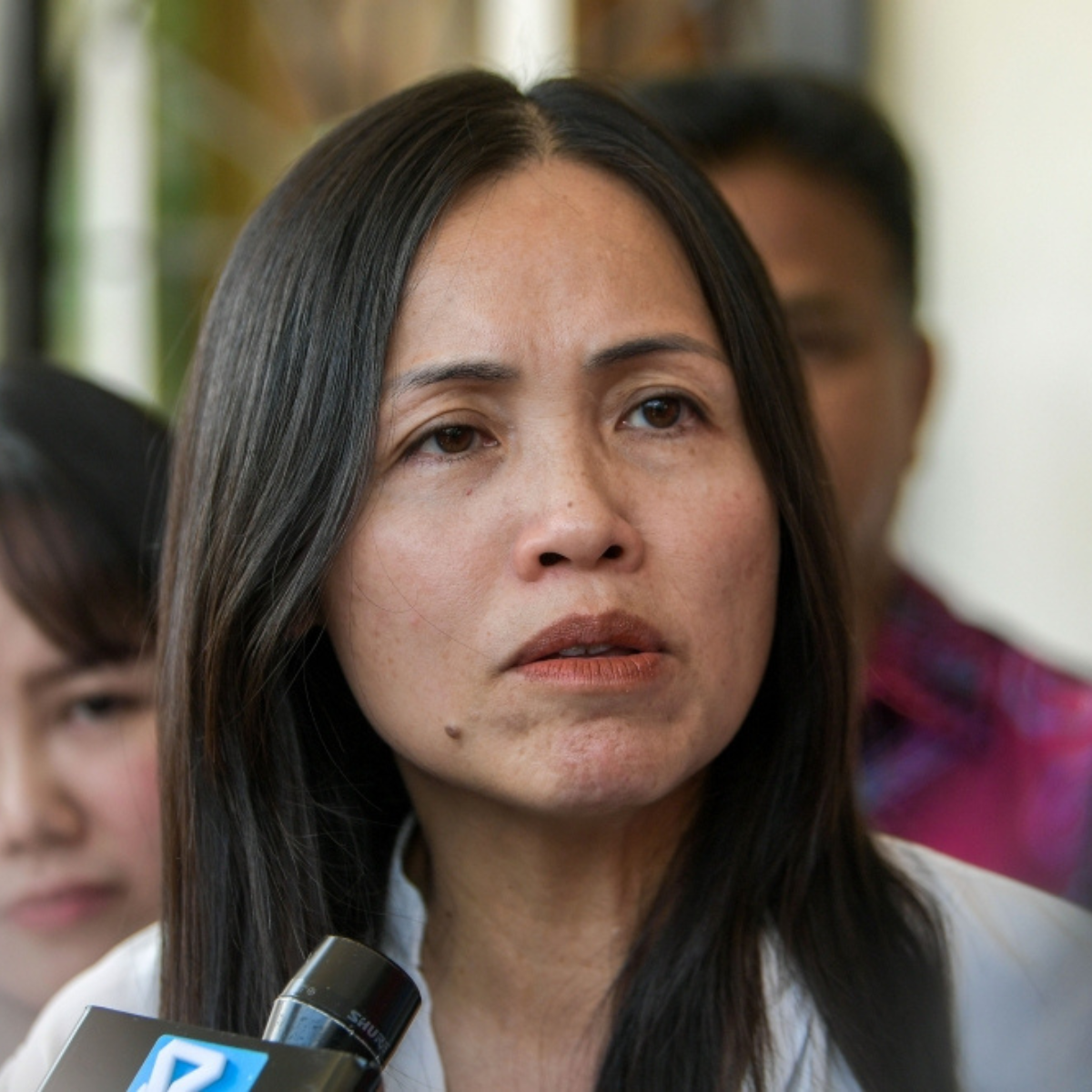
KUALA LUMPUR, April 27 — Social media platforms removed 43,618 pieces of scam-related content in the first quarter of this year, Deputy Communications Minister Teo Nie Ching said.
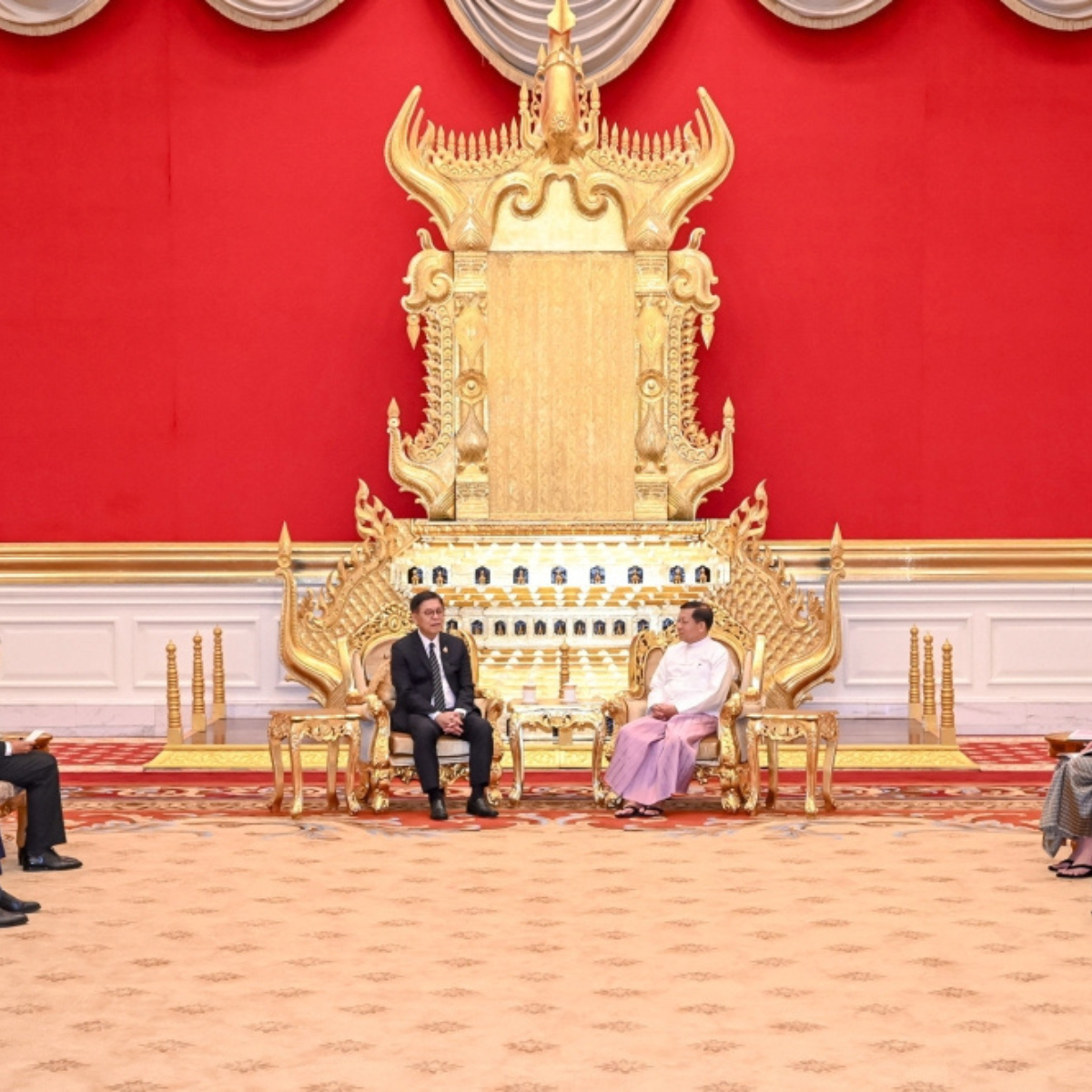
BEIJING, April 26 — China’s top diplomat Wang Yi said Beijing would “firmly support” Myanmar in safeguarding its sovereignty and security during talks with junta leader-turned-president Min Aung Hlaing.