April 27, 2026
World
World
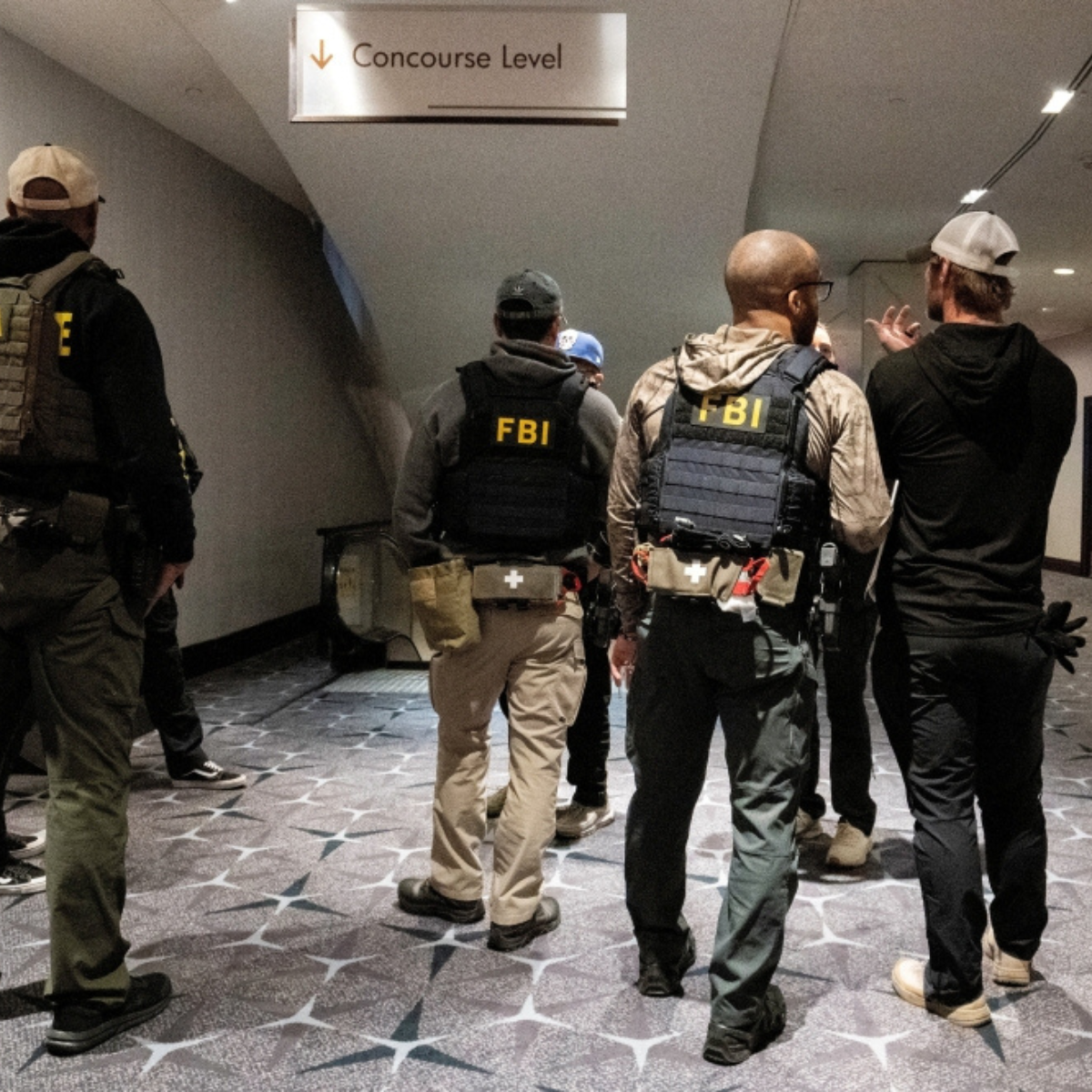
WASHINGTON, April 27 — A man accused of targeting US administration officials at a Washington event has been arrested after allegedly opening fire, injuring a Secret Service agent.

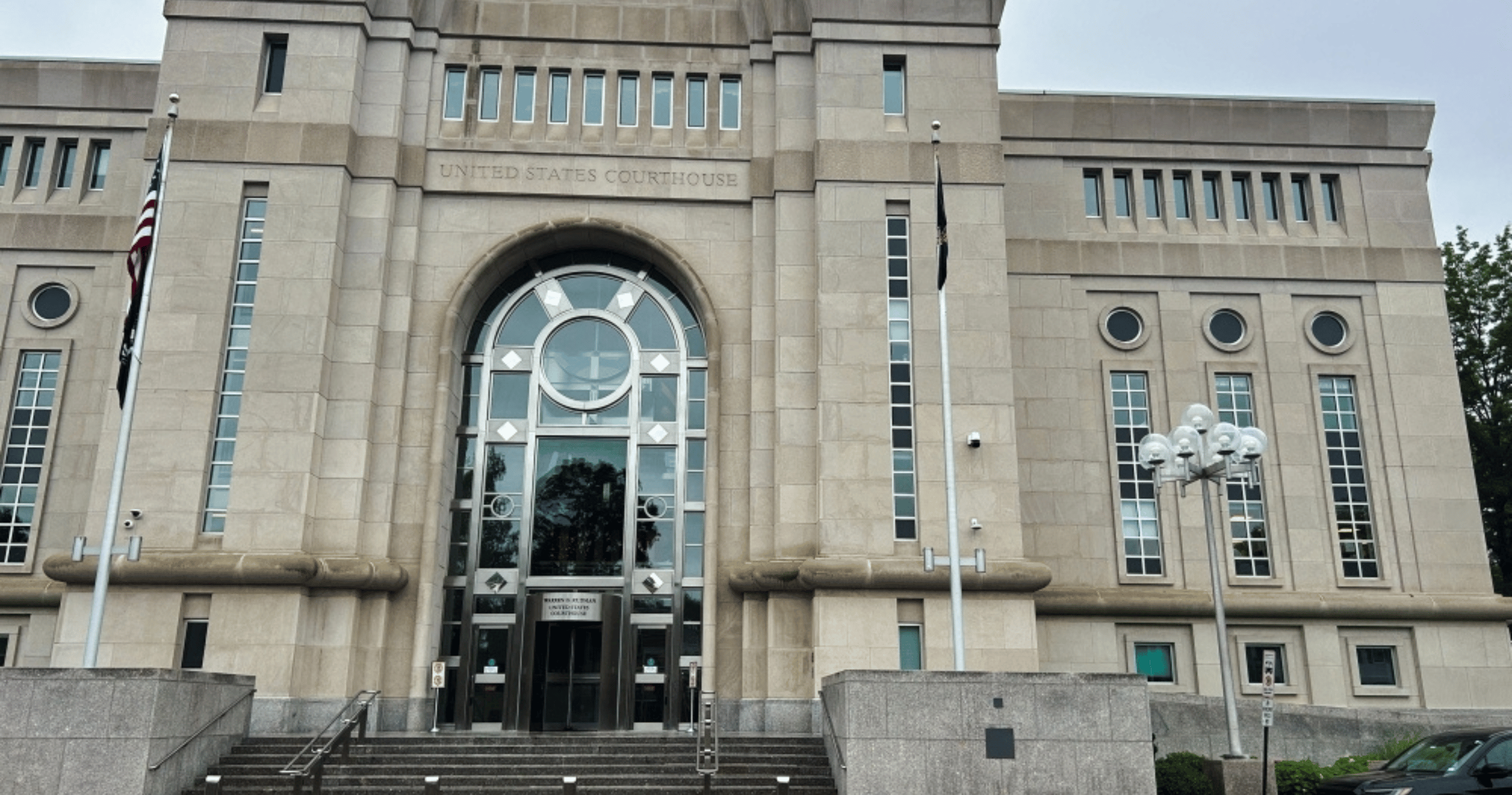
WASHINGTON, July 11 — A federal judge on Wednesday paused President Donald Trump’s executive order restricting birthright citizenship, as legal challengers pursue a new strategy following the US Supreme Court’s recent decision to overturn a prior block on the policy.


WASHINGTON, July 11 — A federal judge on Wednesday paused President Donald Trump’s executive order restricting birthright citizenship, as legal challengers pursue a new strategy following the US Supreme Court’s recent decision to overturn a prior block on the policy.
In late June, the Supreme Court’s conservative majority issued a landmark ruling that curbed the power of individual judges to impose nationwide injunctions against presidential policies. Trump’s previous attempts to revoke automatic citizenship for those born on US soil had been blocked by several such injunctions.
However, the court’s decision left room for nationwide impact through class-action lawsuits — a legal path Trump’s opponents quickly took. New suits were filed to challenge the policy once more.
On Wednesday, Judge Joseph Laplante of the US District Court in New Hampshire granted class-action status to any child who could be denied citizenship under Trump’s order. He also issued a preliminary injunction to suspend the order while legal proceedings continue.
Laplante delayed the enforcement of his ruling for seven days to allow the Trump administration time to appeal.
Cody Wofsy, an attorney with the American Civil Liberties Union (ACLU) who argued the case, hailed the decision as a “huge victory,” saying it “will help protect the citizenship of all children born in the United States, as the Constitution intended.”
Trump’s executive order seeks to deny automatic citizenship to children born in the US to parents who are undocumented immigrants or on temporary visas — a dramatic reinterpretation of the 14th Amendment.
The administration argues that the amendment, originally passed to grant rights to former slaves after the Civil War, does not apply to children of undocumented migrants or short-term visitors.
However, the Supreme Court rejected that narrow view in a key 1898 ruling that affirmed birthright citizenship.
Last month, the current 6-3 conservative-leaning court sidestepped the constitutional question surrounding Trump’s order, focusing instead on the limits of nationwide injunctions. Although it allowed the order to proceed, it postponed the ruling's effect until late July to give room for new legal challenges.
Previously, several lower courts had struck down Trump’s order, ruling it unconstitutional. — AFP
WASHINGTON, April 27 — A man accused of targeting US administration officials at a Washington event has been arrested after allegedly opening fire, injuring a Secret Service agent.
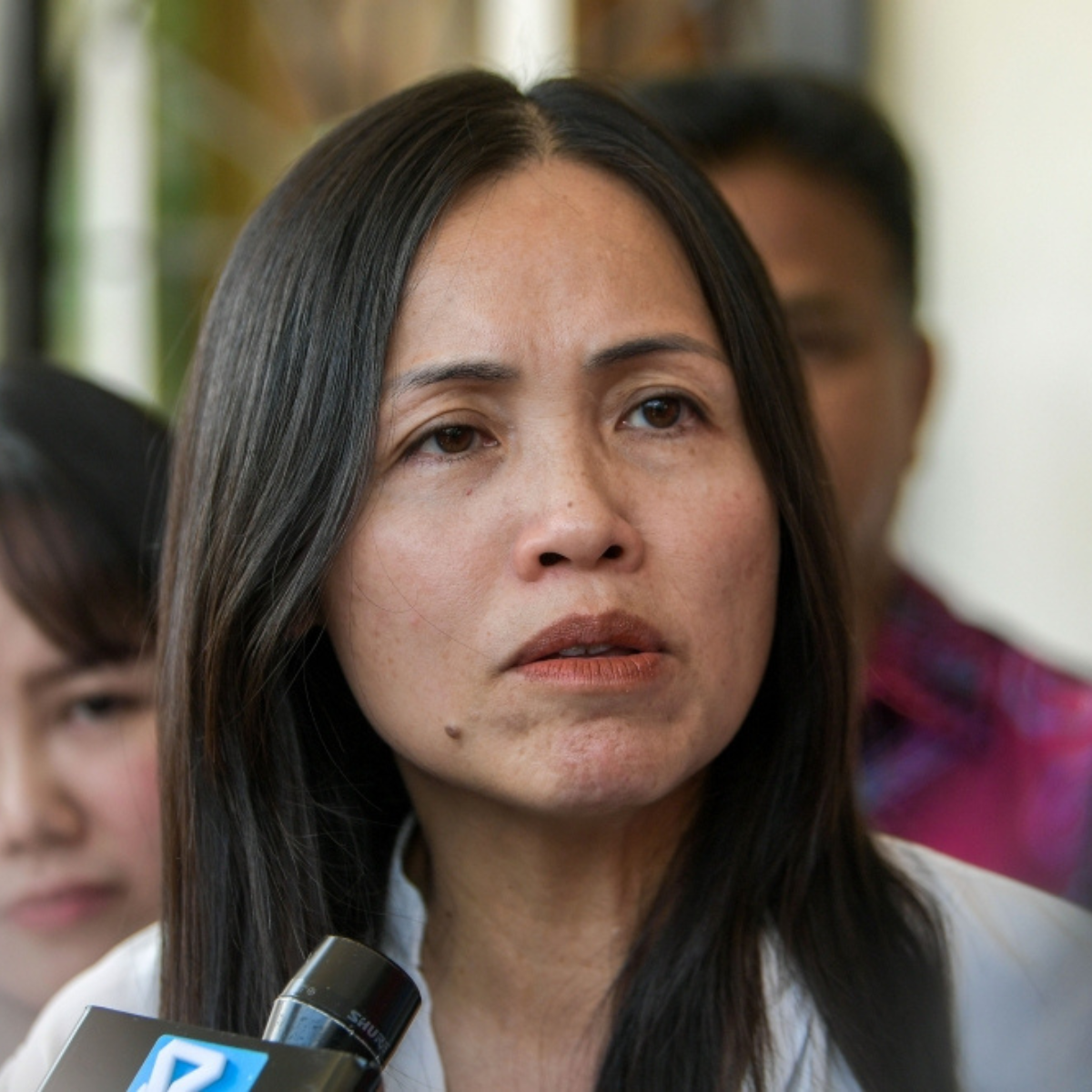
KUALA LUMPUR, April 27 — Social media platforms removed 43,618 pieces of scam-related content in the first quarter of this year, Deputy Communications Minister Teo Nie Ching said.
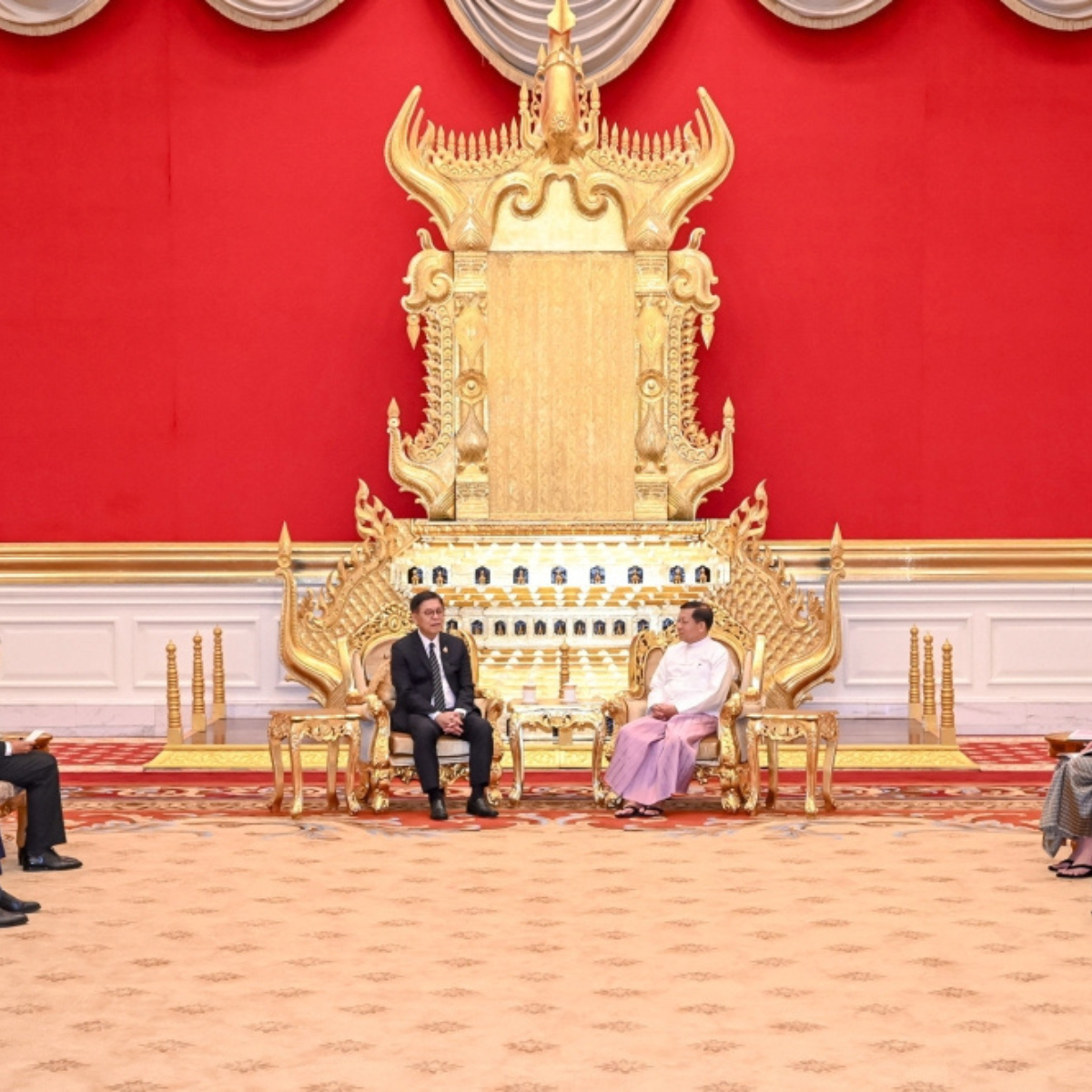
BEIJING, April 26 — China’s top diplomat Wang Yi said Beijing would “firmly support” Myanmar in safeguarding its sovereignty and security during talks with junta leader-turned-president Min Aung Hlaing.