April 27, 2026
World
World
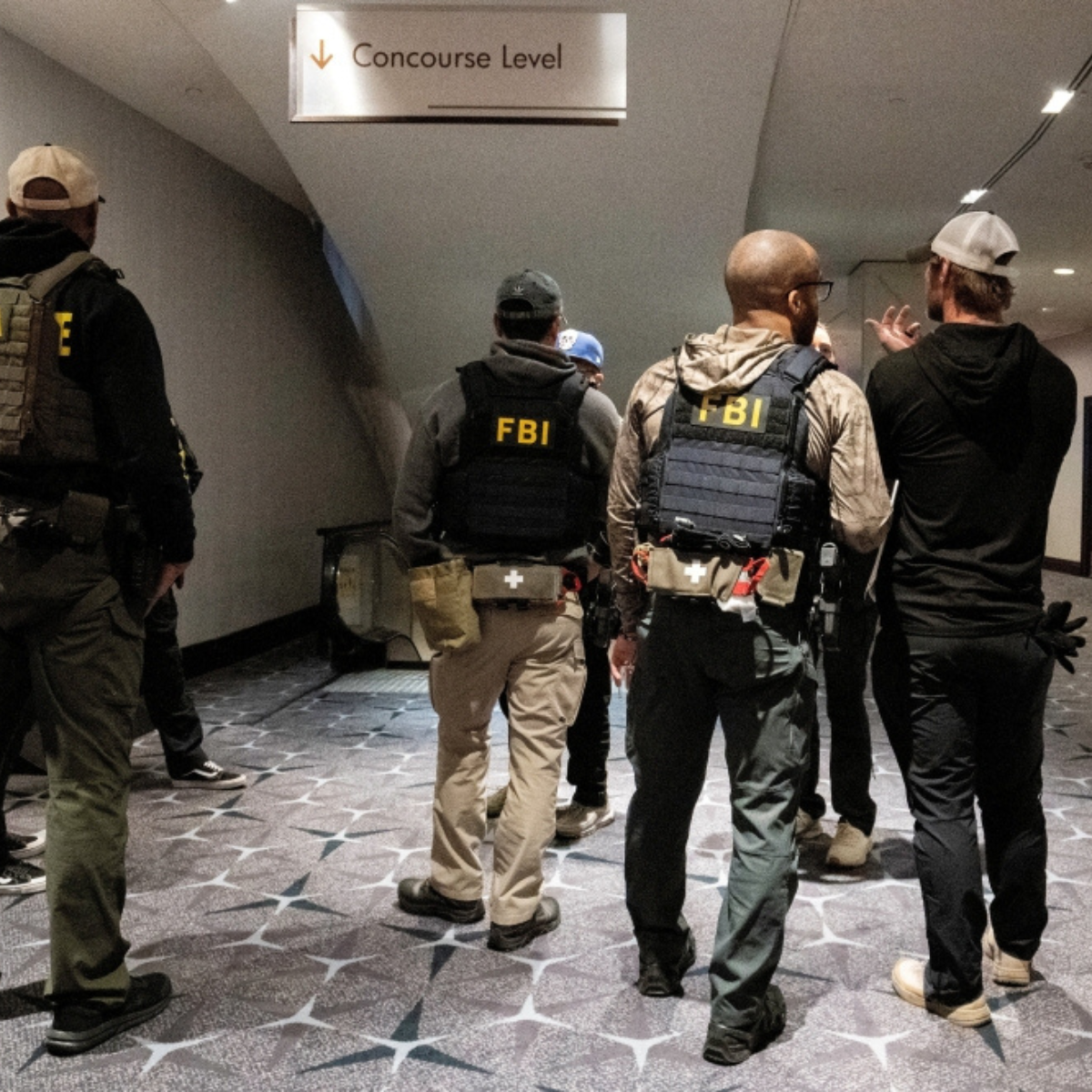
WASHINGTON, April 27 — A man accused of targeting US administration officials at a Washington event has been arrested after allegedly opening fire, injuring a Secret Service agent.

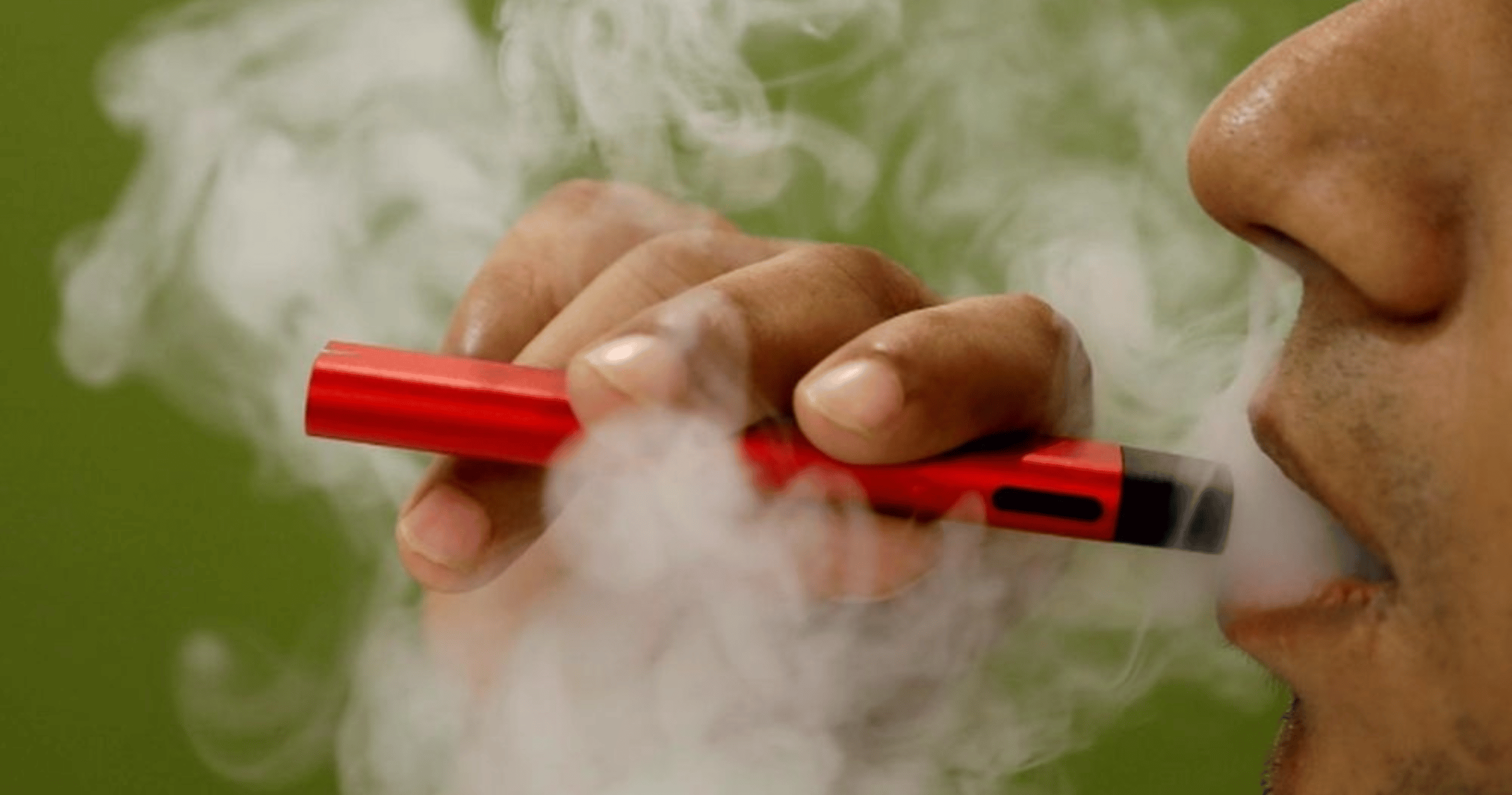
KUALA LUMPUR, Aug 2 — The Health Ministry’s proposal to impose a total ban on vape sales and use in Malaysia has sparked concern among industry players, who warn the move could worsen the situation rather than resolve it.


KUALA LUMPUR, Aug 2 — The Health Ministry’s proposal to impose a total ban on vape sales and use in Malaysia has sparked concern among industry players, who warn the move could worsen the situation rather than resolve it.
Health Minister Datuk Seri Dzulkefly Ahmad confirmed the ban is under review, but vape associations argue that outlawing regulated products would harm adult users and strengthen the black market.
Vape and retail industry groups insist many adults turn to vaping as a less harmful alternative to smoking. Removing legal access, they say, would expose users to unsafe, unregulated products.
“The ban won’t eliminate demand. It will simply eliminate safe access,” said Consumer Choice Centre’s Tarmizi Anuwar. “Taking away this option won’t protect them. It will put them at risk.”
He cautioned that instead of helping smokers switch to safer alternatives, a ban may push them back to cigarettes or illegal sources lacking safety and age restrictions.
Black market risk
Malaysia Retail Electronic Cigarette Association president Datuk Adzwan Ab Manas warned that banning vapes would dismantle the legal retail network and boost illicit trade.
“Retailers operating legally are not the problem, but they’ll be the hardest hit under a ban,” he said.
Malaysian Vape Chamber of Commerce secretary-general Ridhwan Rosli echoed the concerns, warning that bans often make illegal products more accessible — especially to youth.
“History shows when consumers lose access to legal vape products, they turn to the black market,” he said.
Do bans work?
Despite past bans, usage remains high. Ridhwan cited the National Health and Morbidity Survey 2019, which found 4.9 per cent of Malaysians — about 1.1 million people — still used unregulated vape products despite restrictions.
In Johor and Kelantan, where vape sales have been banned since 2015, users still number over 150,000 and 30,000 respectively. Singapore also saw usage rise from 3.9 to 5.2 per cent from 2021 to 2023 despite a total ban, he noted.
Focus on enforcement
Adzwan stressed that improved enforcement — not prohibition — is key to tackling misuse.
“The government must focus on stronger enforcement, tighter online monitoring, and harsher penalties. Blanket bans will punish legal operators and leave the black market untouched,” he said.
Industry’s economic role
Ridhwan said the vape sector contributed RM3.48 billion to Malaysia’s economy in 2023, supporting over 31,500 jobs across 10,000 retail outlets.
He welcomed the formation of an expert committee to review vaping policies, but urged the inclusion of industry voices.
“Leaving out stakeholders will result in ineffective policies and missed public health goals,” he said.
Adzwan agreed, noting industry insights are vital.
“We’re on the ground. We know the trends and the gaps in enforcement. Excluding us will lead to flawed solutions,” he said.
The Control of Smoking Products for Public Health Act 2024 (Act 852), which took effect on October 1, aims to curb smoking and restrict access to minors through strict enforcement and education. It followed a 2023 survey showing increased vape use among adults under 50 and rising rates among minors.
WASHINGTON, April 27 — A man accused of targeting US administration officials at a Washington event has been arrested after allegedly opening fire, injuring a Secret Service agent.
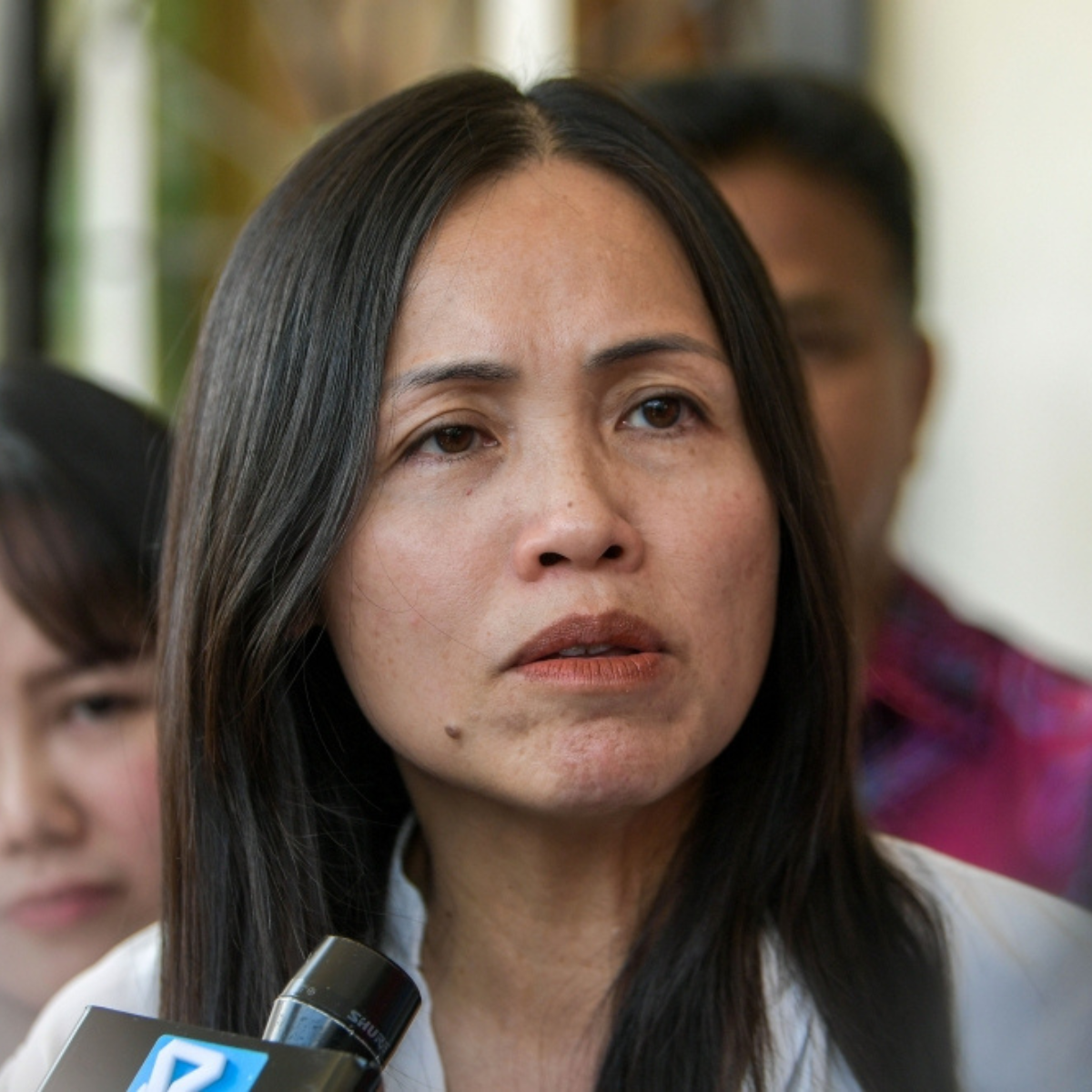
KUALA LUMPUR, April 27 — Social media platforms removed 43,618 pieces of scam-related content in the first quarter of this year, Deputy Communications Minister Teo Nie Ching said.
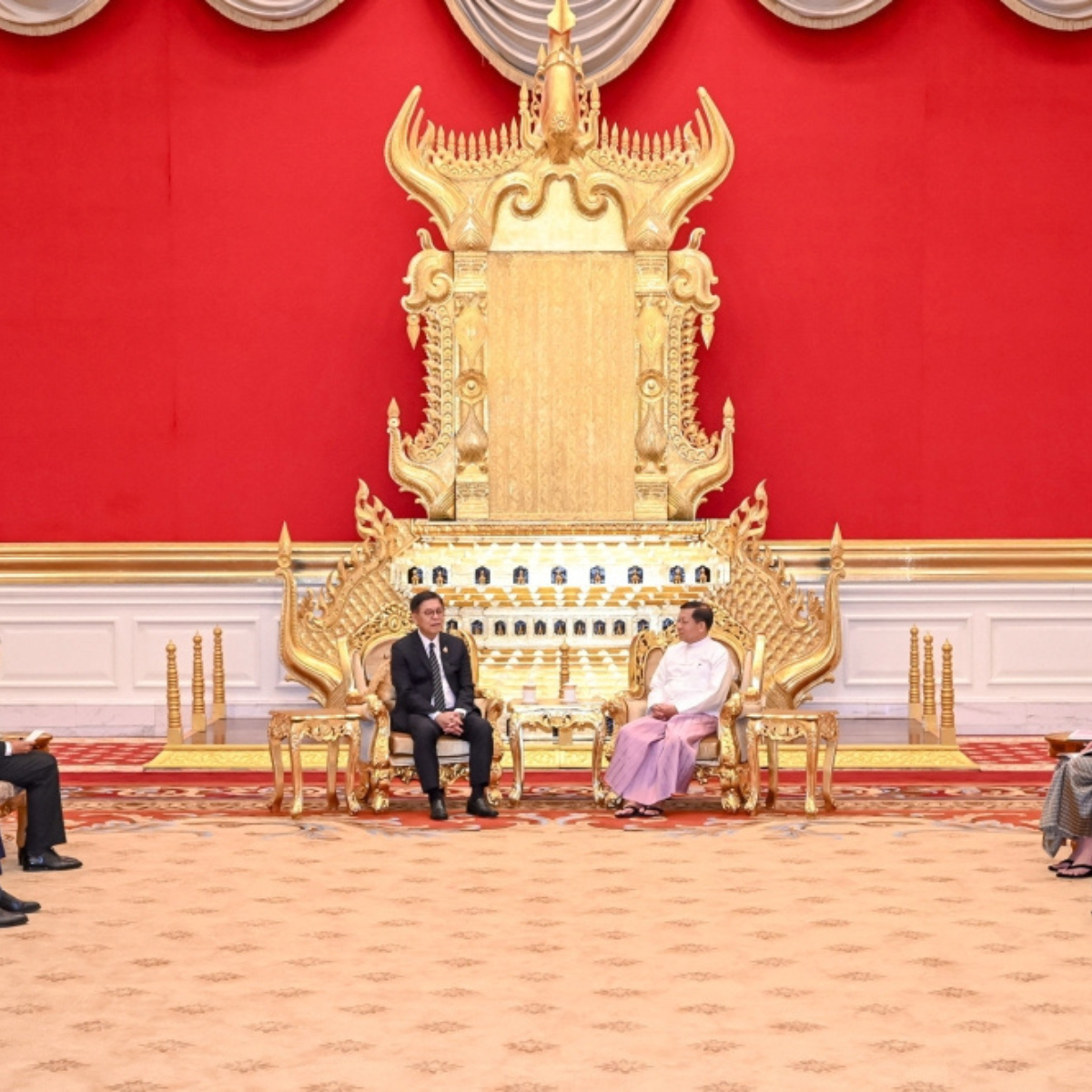
BEIJING, April 26 — China’s top diplomat Wang Yi said Beijing would “firmly support” Myanmar in safeguarding its sovereignty and security during talks with junta leader-turned-president Min Aung Hlaing.