Water festival meets tighter budgets as Thailand’s Songkran spending is expected to decline.
BANGKOK, April 10 — From reduced purchases of water guns to cancelled travel plans, higher costs linked to the Iran war have dampened spending expectations for Thailand’s upcoming traditional New Year, Songkran, often known as the world’s largest water festival.
BANGKOK, April 10 — From reduced purchases of water guns to cancelled travel plans, higher costs linked to the Iran war have dampened spending expectations for Thailand’s upcoming traditional New Year, Songkran, often known as the world’s largest water festival.
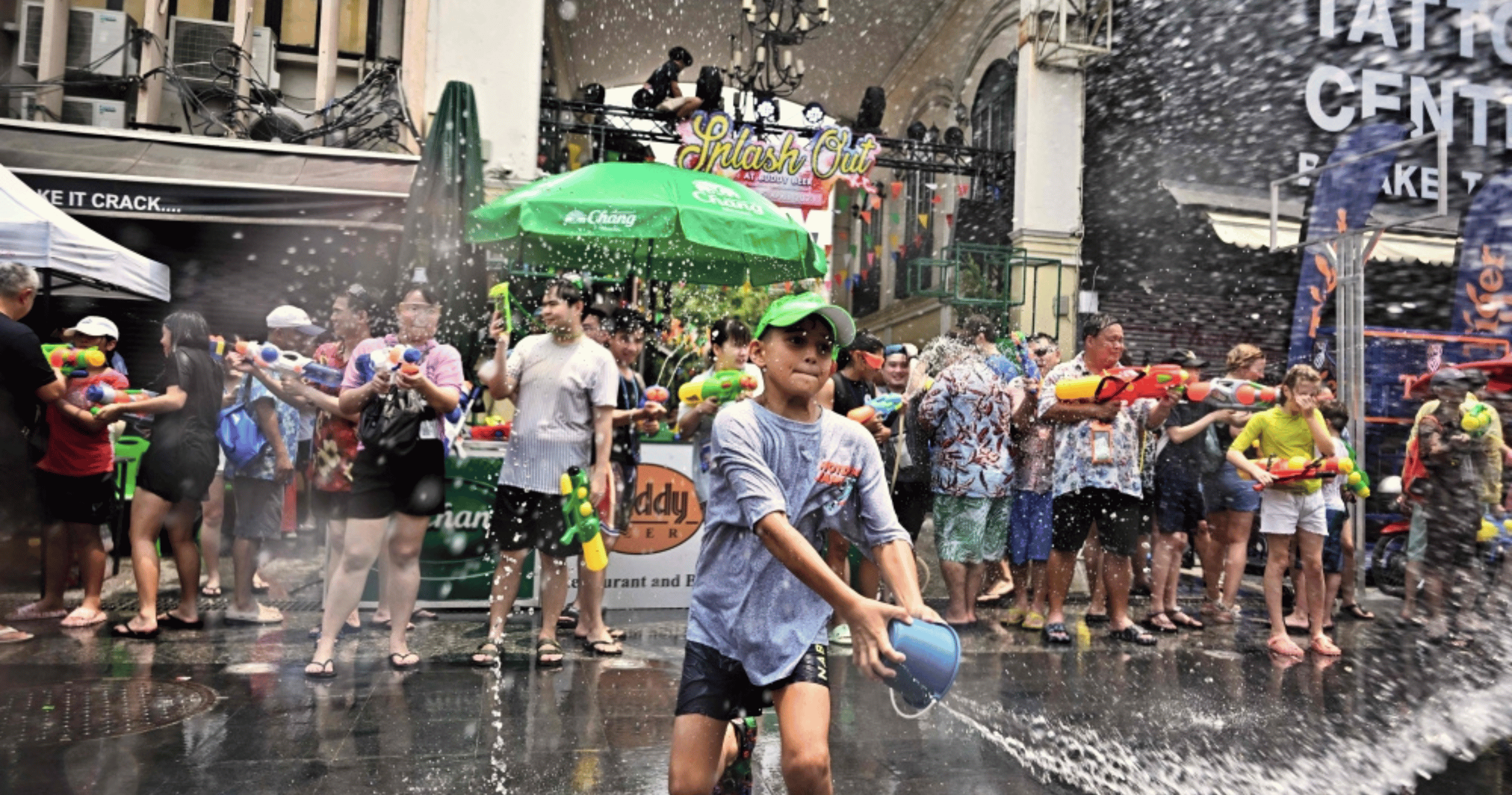
The lively celebration, scheduled to run for three days from Monday, is a major tourist attraction, where participants dress in colourful outfits and splash water on one another in a long-standing tradition symbolising cleansing, respect and good fortune.
However, spending is projected to decline this year for the first time since the Covid-19 pandemic, according to Thanavath Phonvichai, president of the University of the Thai Chamber of Commerce.
A university survey showed that expenditure during the festival — typically one of Thailand’s biggest spending periods — is expected to drop 3.7 per cent to around 130 billion baht (US$3.5 billion; RM13.94 billion), with 36 per cent of respondents saying they plan to cut their spending.
Normally, many residents of Bangkok travel back to their hometowns during Songkran, boosting nationwide spending. This year, however, some are staying put as rising transport and living costs strain household budgets.
“Transport costs are too high and travelling was not possible,” said Yuparat Kheowsakhu, adding, “I live around Sukhumvit, so I’ll just celebrate Songkran there.”
A separate survey by Suan Dusit Poll found that 51.42 per cent of 1,272 respondents polled between March 31 and April 3 planned to skip festive activities in order to save money.
Meanwhile, vendors are also feeling the impact. Sales of water guns at Bangkok’s Sampeng wholesale market have reportedly fallen sharply, with traders ordering less stock due to weak demand.
“Our sales are down a lot, so we are ordering less and profits are lower,” said vendor Saran Keavvichai. “Last year was much better. We are stocking less, and other merchants are not coming to buy for resale. They are afraid to invest.” — Reuters
Revellers gear up for a quieter Songkran in Thailand, as rising costs see fewer water guns, scaled-back travel plans and lower festive spending in 2026. — AFP file pic
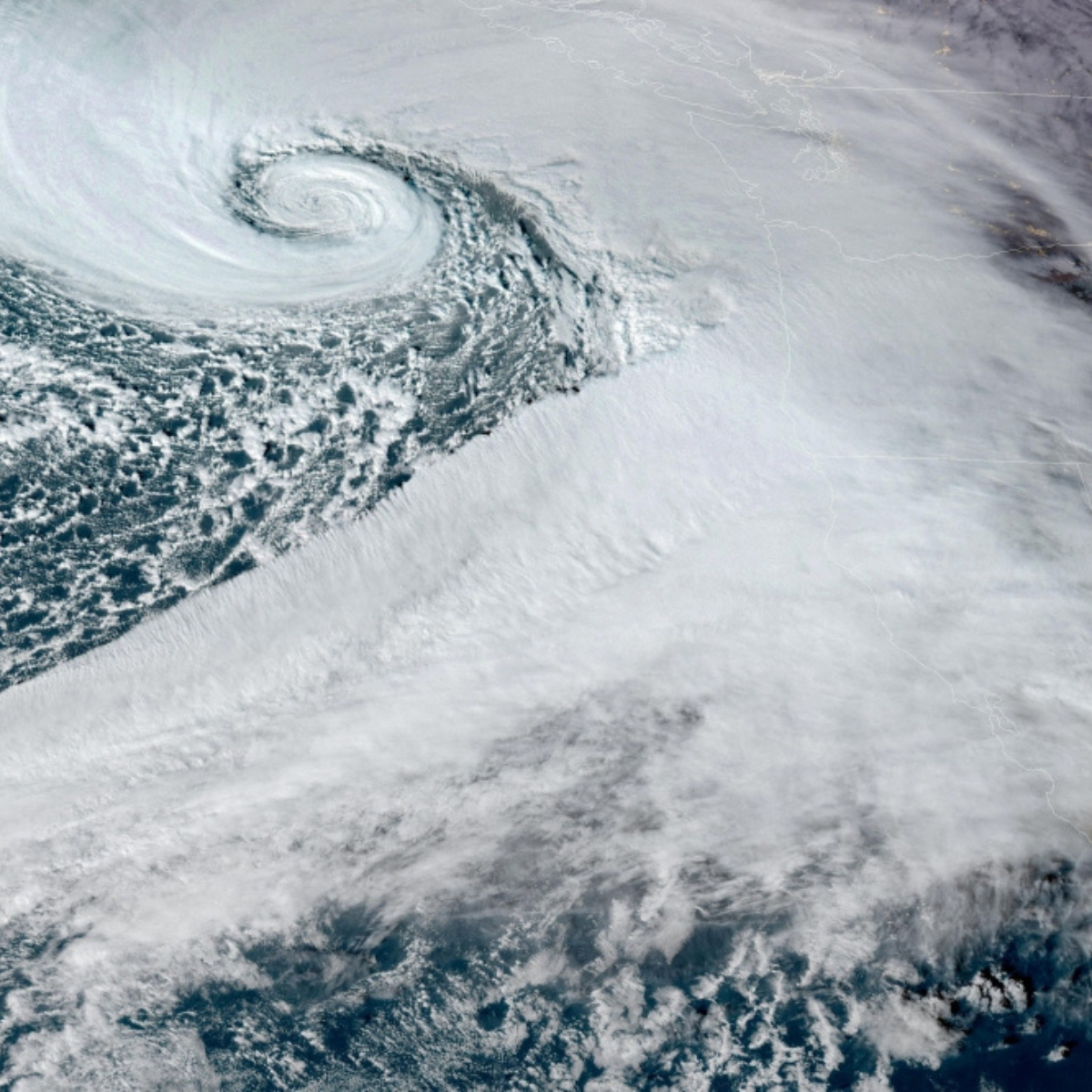
WELLINGTON, April 11 — New Zealand’s national forecaster has warned of a potentially “life-threatening” situation as Cyclone Vaianu approaches the North Island, bringing the risk of destructive winds, heavy rain and widespread flooding.
KOTA KINABALU, April 11 — Sabah currently has only about 2,884 doctors, far below the estimated requirement of 9,000, highlighting ongoing challenges in meeting the state’s healthcare needs.
JAKARTA, April 10 — Indonesia’s sovereign wealth fund Danantara Indonesia has set up a new state-owned entity to speed up investment in waste-to-energy projects, amid rising demand for more sustainable waste management solutions.