April 27, 2026
World
World
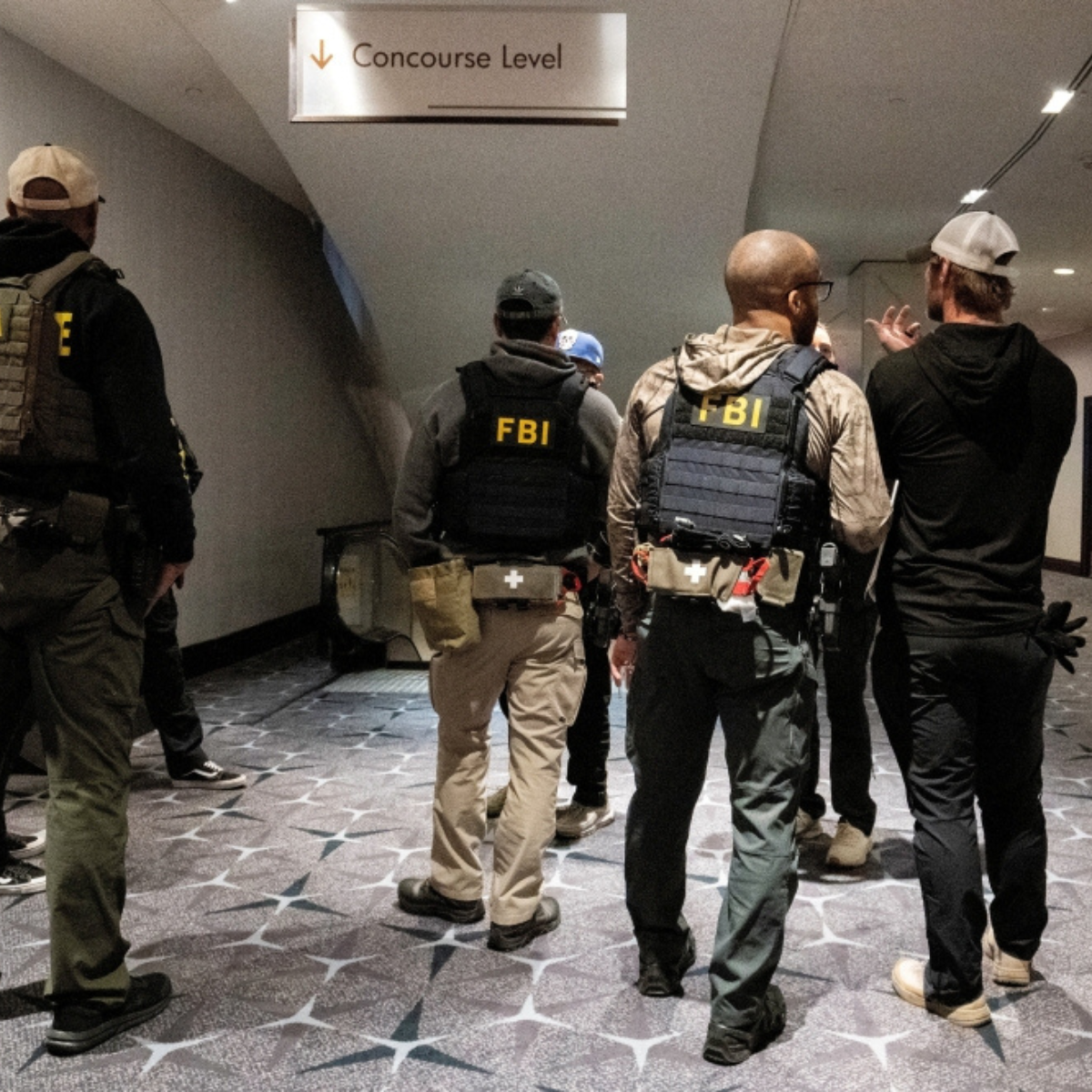
WASHINGTON, April 27 — A man accused of targeting US administration officials at a Washington event has been arrested after allegedly opening fire, injuring a Secret Service agent.


MARACAIBO, July 28 — Hoping for a better future, Mervin Yamarte left Venezuela with his younger brother. Instead, he endured a harrowing journey through dangerous jungle terrain, a brief detention in the United States, and four months of suffering in a Salvadoran prison. He returned home changed, both physically and emotionally.


MARACAIBO, July 28 — Hoping for a better future, Mervin Yamarte left Venezuela with his younger brother. Instead, he endured a harrowing journey through dangerous jungle terrain, a brief detention in the United States, and four months of suffering in a Salvadoran prison. He returned home changed, both physically and emotionally.
Upon arriving in the sweltering Caribbean city of Maracaibo, Yamarte embraced his mother and six-year-old daughter before setting fire to the white prison shorts he had worn throughout his ordeal. “The suffering is over now,” said the 29-year-old, finally feeling a sense of release.
Yamarte was among 252 Venezuelans detained in March during former US President Donald Trump’s immigration crackdown. Accused—without evidence—of gang affiliations, they were deported to El Salvador’s infamous Terrorism Confinement Centre (CECOT), a high-security prison notorious for its brutal conditions.
According to testimonies from four former inmates, those months were filled with violence, abuse, spoiled food, and legal uncertainty. Armed guards reportedly greeted them with chilling threats: “You are going to die here! Welcome to hell!”
Their heads were shaved, and they were issued minimal clothing: a T-shirt, shorts, socks, and white plastic clogs. Yamarte recalled that a small patch of hair was deliberately left at the nape of his neck, which guards would pull cruelly.
The Venezuelans were confined to “Pavilion 8,” separate from the general prison population. Each of the 32 cells, about the size of a small apartment, was packed with up to 80 men. The environment was stifling, and many inmates couldn’t endure the conditions.
CECOT, built by President Nayib Bukele to house El Salvador’s most dangerous criminals, has faced intense criticism from human rights groups. Trump’s administration reportedly paid $6 million to keep the Venezuelans imprisoned there. Requests by AFP to access the facility and speak with officials were denied.
Another former detainee, 37-year-old Maikel Olivera, described relentless beatings and psychological torment. “I thought I’d never make it back to Venezuela,” he said. Prisoners were denied access to phones, legal counsel, or visits. One even reported being sexually assaulted.
The men were forced to sleep on bare metal beds, and violations—real or fabricated—often led to confinement in tiny, poorly ventilated punishment cells. “Some collapsed after just two hours inside and had to be carried out unconscious,” Yamarte said.
Sunlight was nonexistent, and inmates were allowed just one shower a day at 4:00 a.m. — missing that window resulted in beatings. Tear gas and rubber bullets were used by guards to quell unrest. Andy Perozo, 30, recounted being shot daily after one such riot: “It was hell. Every time I saw the doctor, they beat me.”
Edwuar Hernandez, 23, said he was assaulted even at the infirmary. “They kicked us everywhere. Look at the marks,” he said, pointing to his bruises.
To pass time, the men made dice from tortilla dough and counted days using notches carved into bars of soap.
‘Out of Hell’
Around eight million Venezuelans have fled the country’s economic collapse, many hoping to find work in the US to support their families.
On July 18, in a surprise prisoner exchange between Washington and Caracas, all 252 detainees were suddenly released. Many are now considering legal action.
Several believe they were wrongly targeted due to tattoos, often mistaken for gang insignia. Yamarte’s tattoo simply reads: “Strong like Mom.” “I’m innocent. I can prove it,” he said, frustrated by the baseless accusation.
“We went there to build a better life for our families, not to steal or kill.”
Back in Maracaibo, families welcomed the men home with balloons, banners, and warm meals. Yamarte’s mother, Mercedes, prepared steak, mashed potatoes, and fried plantains for her son’s return.
Shortly after arriving, Yamarte received a call from his brother Juan, who remains in the US without documentation and moves frequently to avoid immigration raids. Juan told AFP he’s working to repay the $1,700 loan for a home he bought for his wife and child in Venezuela.
“Every day, we thought of you,” Juan said. “You were always on my mind.”
“We’ve come out of hell,” replied Mervin. “The suffering is over now.” — AFP

WASHINGTON, April 27 — A man accused of targeting US administration officials at a Washington event has been arrested after allegedly opening fire, injuring a Secret Service agent.
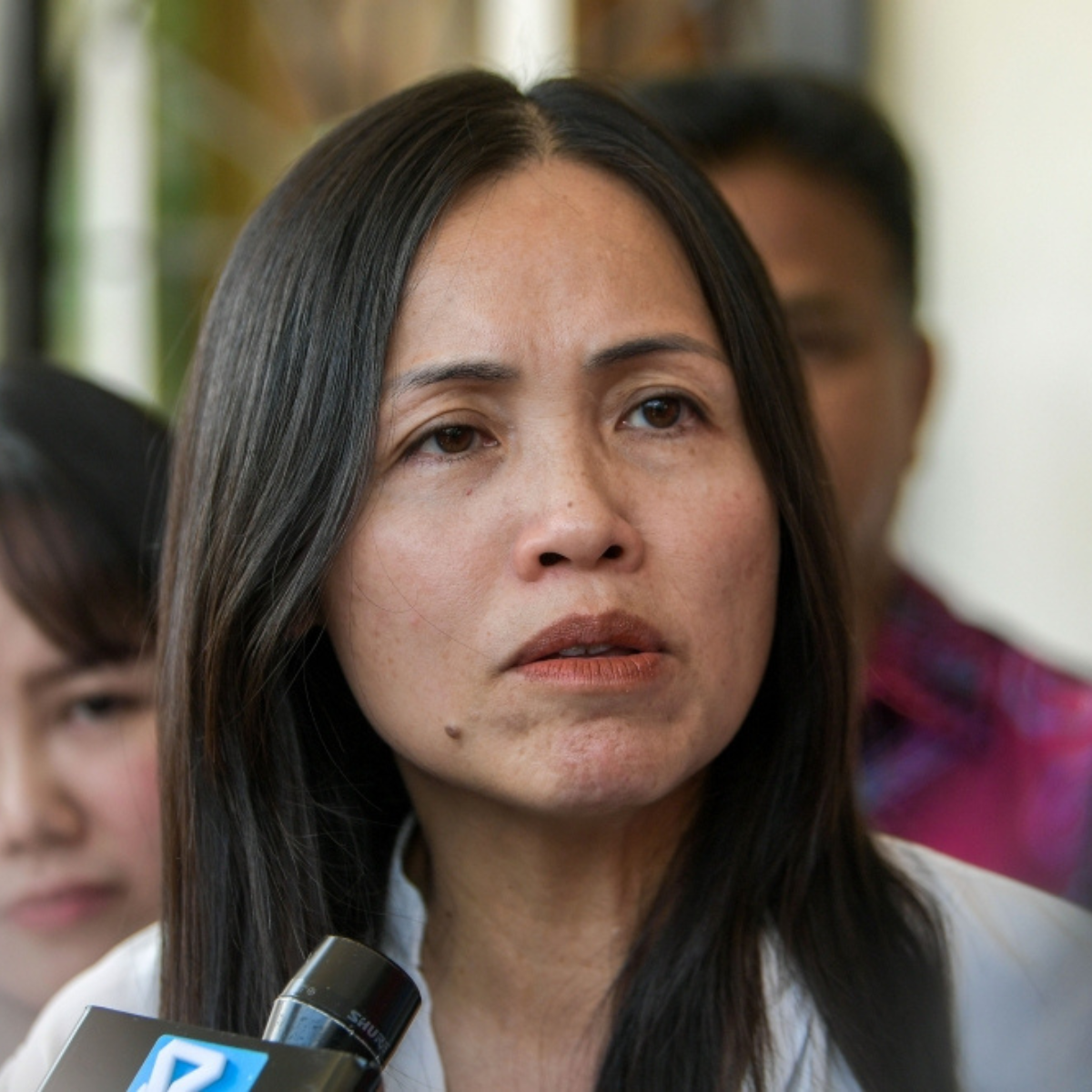
KUALA LUMPUR, April 27 — Social media platforms removed 43,618 pieces of scam-related content in the first quarter of this year, Deputy Communications Minister Teo Nie Ching said.

BEIJING, April 26 — China’s top diplomat Wang Yi said Beijing would “firmly support” Myanmar in safeguarding its sovereignty and security during talks with junta leader-turned-president Min Aung Hlaing.