What is Scarborough Shoal, and why is China’s plan to turn it into a nature reserve drawing backlash in the South China Sea?
BEIJING, Sept 17 — China’s coast guard said it had imposed “control measures” to block Philippine vessels near the disputed Scarborough Shoal, a long-standing flashpoint in the South China Sea.
BEIJING, Sept 17 — China’s coast guard said it had imposed “control measures” to block Philippine vessels near the disputed Scarborough Shoal, a long-standing flashpoint in the South China Sea.
Scarborough Shoal, named after a British ship that ran aground there nearly 300 years ago, is one of the region’s most hotly contested maritime features. Located 200km off the Philippines and within its exclusive economic zone, the shoal is prized for its rich fishing grounds and its turquoise lagoon that offers safe shelter during storms. Beijing calls it Huangyan Island, while Manila refers to it as Panatag Shoal or Bajo de Masinloc.
Its location is strategically vital, lying at the heart of the South China Sea near trade routes that handle over US$3 trillion (RM12.6 trillion) in annual commerce, drawing close scrutiny from the United States and other powers.
China’s plan
Beijing recently announced the creation of a 3,524-hectare nature reserve at the shoal, intended to preserve coral reef ecosystems. The proposed reserve would cover the entire north-eastern portion of the atoll, close to the main entry point for larger ships.
The move has triggered a backlash from the Philippines, which has long accused China of environmental destruction in the South China Sea, including large-scale clam harvesting. Manila is now weighing further international arbitration over ecological damage, while Beijing has countered with its own accusations against Philippine activities.
Observers suspect the nature reserve could be a pretext for tighter control, amid concerns that China may eventually build an artificial island there, as it has in the Spratly Islands, where it constructed bases with runways, radars and missile systems.
US Secretary of State Marco Rubio condemned the plan as “destabilising” and “coercive,” pledging Washington’s support for Manila.
Disputed sovereignty
Both China and the Philippines claim the shoal, but sovereignty has never been formally settled. Although Filipino fishing boats still enter the area, China has maintained effective control since seizing it in 2012, deploying coast guard vessels and trawlers that Manila says include maritime militia — a claim Beijing denies.
A 2016 ruling by the Permanent Court of Arbitration sided with Manila on several South China Sea issues but did not address sovereignty over the shoal. However, the tribunal ruled China’s blockade was illegal since the shoal has traditionally been a shared fishing ground for China, the Philippines and Vietnam.
Risk of escalation
Tensions have persisted for years, with confrontations involving water cannon, ramming incidents, near-collisions and Chinese jets shadowing Philippine aircraft. While both sides accuse each other of provocations, neither has crossed into open conflict.
President Ferdinand Marcos Jr. has taken a firmer stance against Beijing, but the Philippine coast guard remains heavily outmatched. Military escalation is seen as a dangerous red line, with the US-Philippines Mutual Defence Treaty of 1951 providing a potential deterrent. Washington has clarified that any attack “anywhere in the South China Sea” would trigger its defence commitments.
Expert views
Yang Xiao, a maritime scholar at the China Institutes of Contemporary International Relations, defended the nature reserve plan as legitimate ecological protection, saying it reflected “the gradual improvement of our jurisdiction and governance” in the area. He also accused Filipino fishermen of harming endangered species and polluting the waters.
By contrast, Jay Batongbacal, a maritime analyst at the University of the Philippines, said Beijing’s move was a strategy to legitimise “aggressive and coercive actions,” warning it could lead to Filipino fishermen being detained and used as leverage. — Reuters
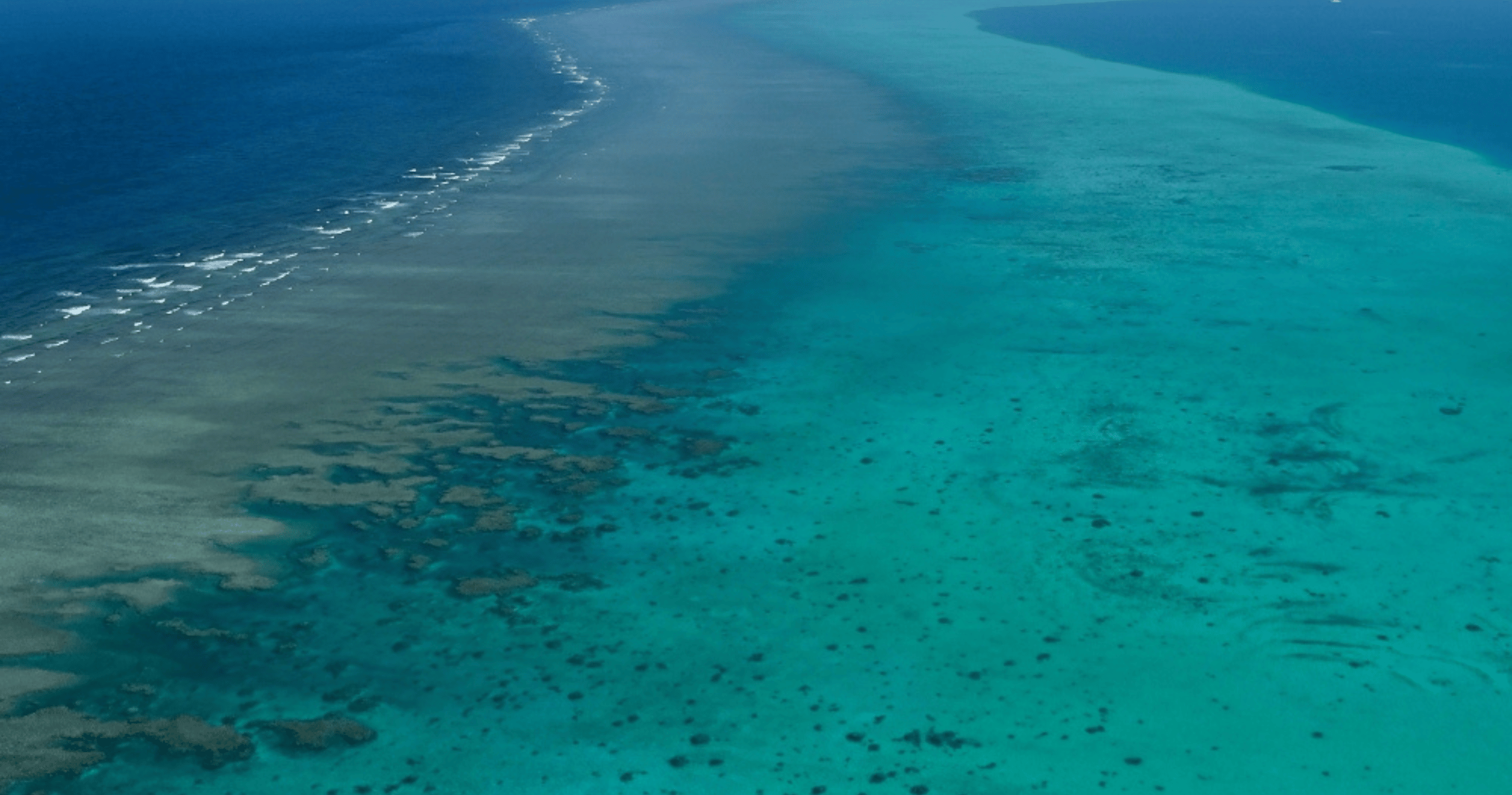
This photo taken on February 15, 2024 shows an aerial view over the Scarborough Shoal in the disputed South China Sea. The Philippines protested on September 11, 2025 against a Chinese scheme to create a ‘nature reserve’ on the disputed Scarborough Shoal, the site of repeated clashes in the South China Sea. — AFP pic
BANGKOK, April 24 — Thailand’s Supreme Court on Friday agreed to hear a petition accusing 44 current and former opposition lawmakers of ethics violations over their 2021 move to amend a law protecting the monarchy from criticism, according to Thai media reports.
PUTRAJAYA, April 24 — The Court of Appeal today dismissed Kepala Batas MP Dr Siti Mastura’s appeal against a High Court ruling ordering her to pay RM825,000 in damages and costs for defaming three DAP leaders by linking them to former Communist Party of Malaya leader Chin Peng.
THE HAGUE, April 23 — Former Philippines president Rodrigo Duterte will stand trial at the International Criminal Court after judges on Thursday confirmed charges of crimes against humanity over his controversial “war on drugs.”