April 27, 2026
World
World
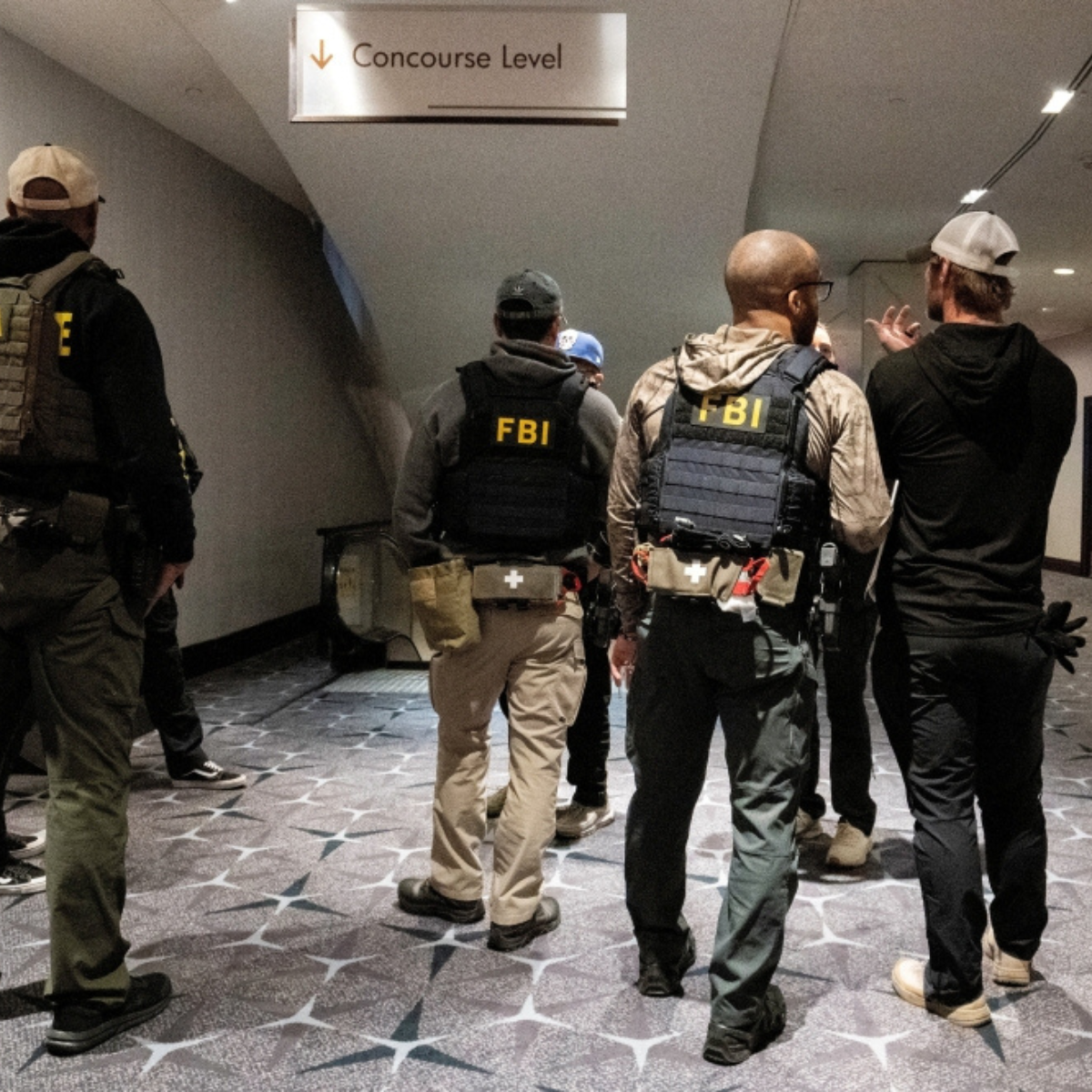
WASHINGTON, April 27 — A man accused of targeting US administration officials at a Washington event has been arrested after allegedly opening fire, injuring a Secret Service agent.


WASHINGTON, June 27 — The White House has proposed ending U.S. funding for nearly two dozen global war crimes and accountability programs, including initiatives focused on Myanmar, Syria, and alleged Russian atrocities in Ukraine, according to three U.S. sources and internal government documents reviewed by Reuters.


WASHINGTON, June 27 — The White House has proposed ending U.S. funding for nearly two dozen global war crimes and accountability programs, including initiatives focused on Myanmar, Syria, and alleged Russian atrocities in Ukraine, according to three U.S. sources and internal government documents reviewed by Reuters.
The recommendation, issued Wednesday by the Office of Management and Budget (OMB), has not been previously reported. While it is not a final decision, it gives the State Department the option to appeal and sets up a likely back-and-forth with Secretary of State Marco Rubio and his team, who must decide which programs to defend.
The targeted programs also include efforts in Iraq, Nepal, Sri Lanka, Colombia, Belarus, Sudan, South Sudan, Afghanistan, and The Gambia, the sources said.
Both the State Department and OMB declined to comment when contacted by Reuters.
According to officials, expectations are low that Rubio will strongly advocate for keeping most of the programs. However, he may push to preserve key initiatives, such as those supporting investigations into war crimes in Ukraine.
Among the programs slated for termination are several war crimes accountability efforts in Ukraine, including work by Global Rights Compliance, which helps gather evidence of crimes such as torture and sexual violence, and Legal Action Worldwide, a group supporting local legal efforts to bring Russian suspects to justice.
Neither organization responded immediately to requests for comment.
In an internal email, the State Department instructed its bureaus to submit justifications for retaining any of the recommended programs by July 11.
Shift in Priorities
Many of the programs on the chopping block aim to support local organizations pursuing justice in societies affected by atrocities—some of which have operated for decades across Republican and Democratic administrations.
“Even if Secretary Rubio steps in to preserve these initiatives, many of which he backed as a senator, there won’t be anyone left to manage them,” one source said.
Since President Donald Trump took office in January 2025, his administration has frozen or cut billions in foreign aid to ensure taxpayer money supports “America First” priorities. These cutbacks have severely impacted the U.S. Agency for International Development (USAID), disrupted humanitarian operations, and curtailed life-saving aid.
The OMB’s latest recommendation signals a continued deprioritization of global human rights and rule of law efforts—once central to previous U.S. foreign policy.
Already, aid freezes have hindered international efforts to hold Russia accountable for war crimes in Ukraine. Wednesday’s proposal raises the risk that Washington may withdraw entirely from such efforts.
One of the programs facing elimination is an $18 million State Department grant supporting Ukraine’s Prosecutor General’s Office, administered by Georgetown University’s International Criminal Justice Initiative, two sources said. Georgetown declined to comment.
While these programs do not directly affect Ukraine’s military defense, advocates say they are vital for documenting alleged war crimes in what is now Europe’s most devastating conflict since World War II.
Since Russia’s invasion in February 2022, Ukraine has opened more than 140,000 war crimes investigations. The war has claimed tens of thousands of lives, caused widespread destruction, and inflicted lasting trauma. Russia has repeatedly denied its forces have committed war crimes.
Appeal Process
Other targeted initiatives include programs investigating atrocities committed by Myanmar’s military against the Rohingya, and abuses against Christians and other minorities under former Syrian President Bashar al-Assad.
While the State Department can challenge the OMB’s recommendations, the internal email emphasized that appeals must be tightly aligned with the administration’s core priorities.
“Bureaus must clearly and succinctly identify direct alignment to administration priorities,” the email stated. — Reuters
WASHINGTON, April 27 — A man accused of targeting US administration officials at a Washington event has been arrested after allegedly opening fire, injuring a Secret Service agent.
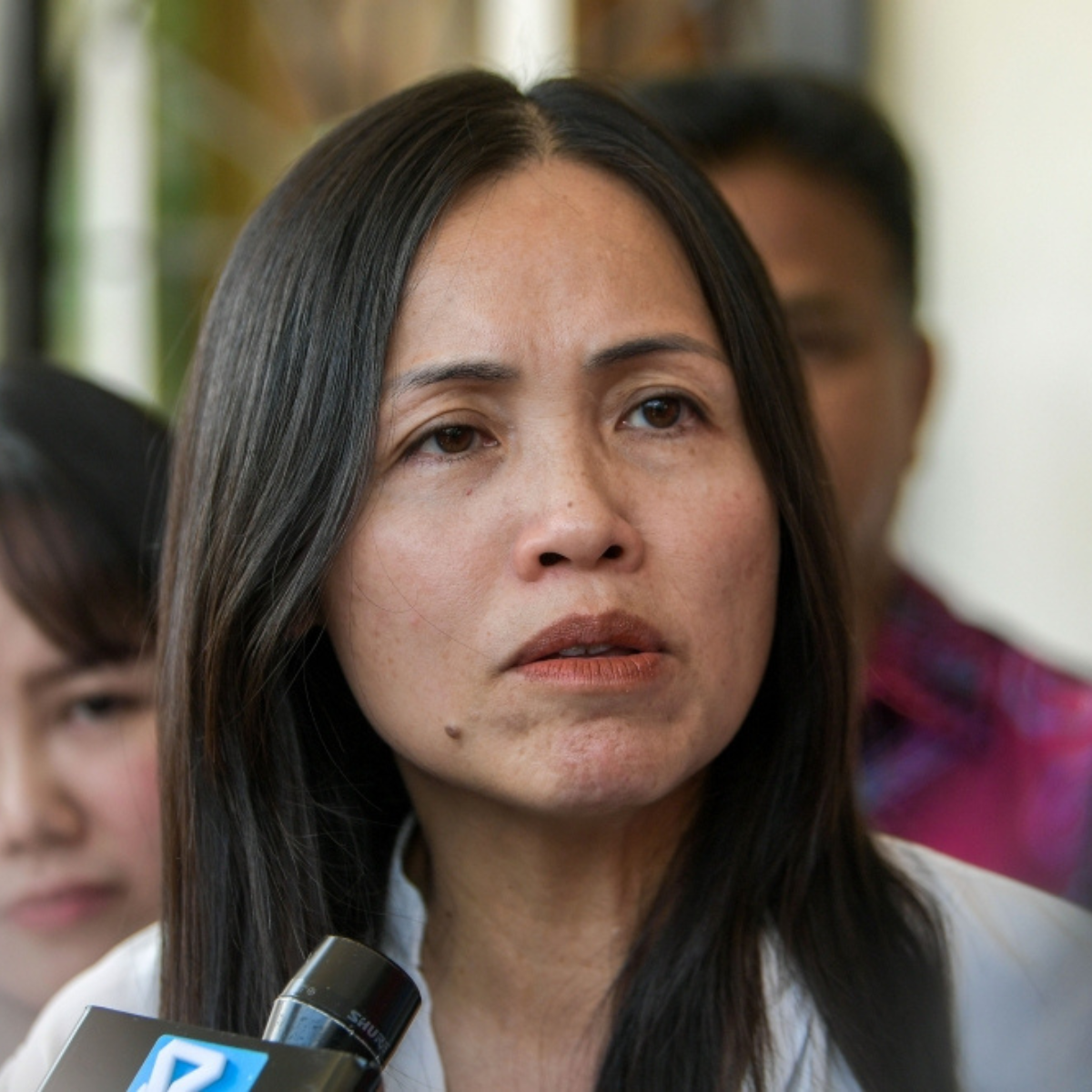
KUALA LUMPUR, April 27 — Social media platforms removed 43,618 pieces of scam-related content in the first quarter of this year, Deputy Communications Minister Teo Nie Ching said.

BEIJING, April 26 — China’s top diplomat Wang Yi said Beijing would “firmly support” Myanmar in safeguarding its sovereignty and security during talks with junta leader-turned-president Min Aung Hlaing.