April 20, 2026
Local
Local

KOTA TINGGI, April 20 — A 71-year-old man has been remanded for seven days until April 26 in connection with a shooting incident in Taman Kota Jaya that left three people dead yesterday.

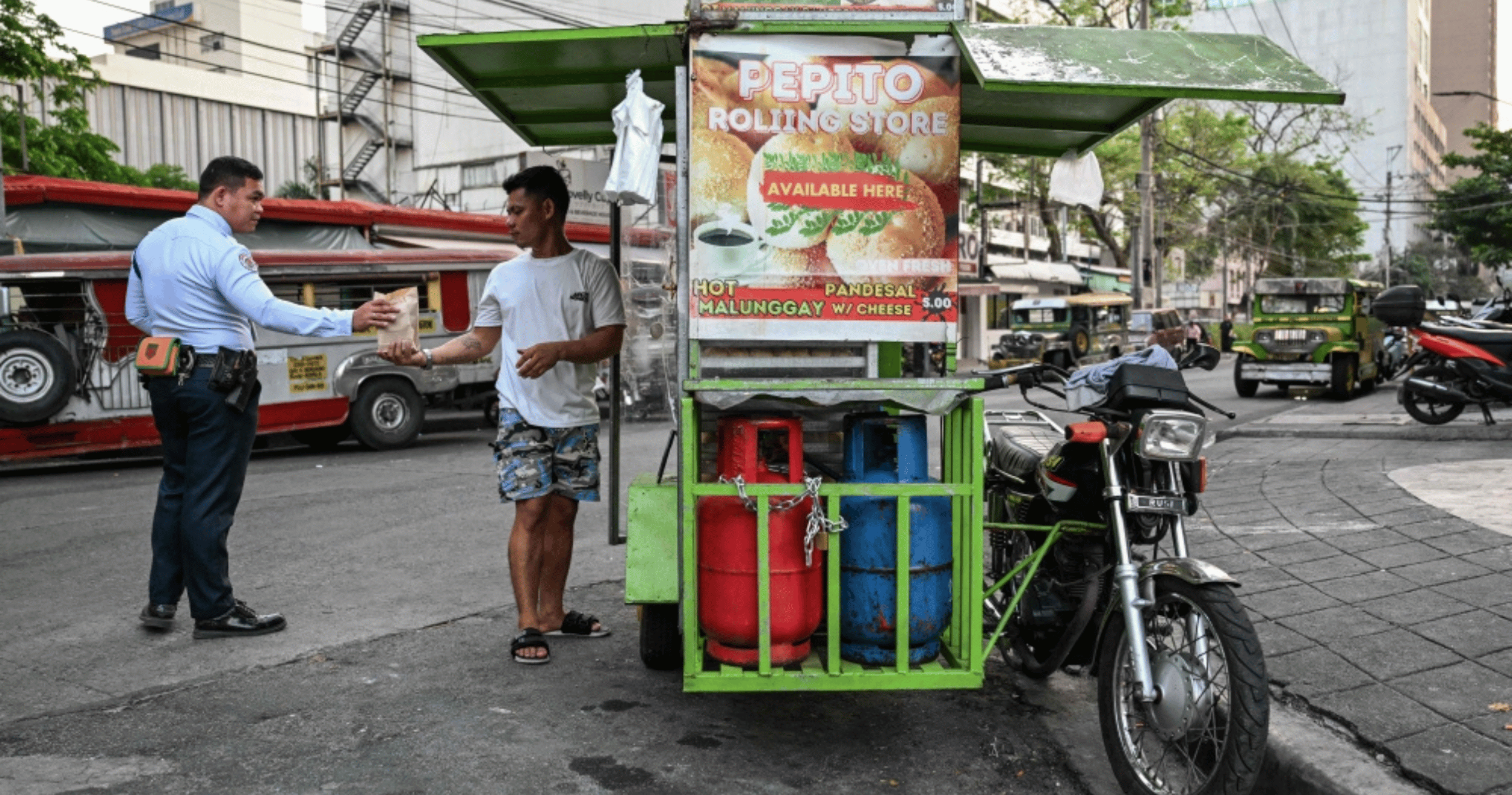
MANILA, April 13 — Filipinos have long enjoyed “pares,” a hot traditional beef stew, but the rising cost of liquefied petroleum gas (LPG) has made that comfort food increasingly harder to keep affordable since conflict broke out in the Middle East.


MANILA, April 13 — Filipinos have long enjoyed “pares,” a hot traditional beef stew, but the rising cost of liquefied petroleum gas (LPG) has made that comfort food increasingly harder to keep affordable since conflict broke out in the Middle East.
In an effort to cut costs, 20-year-old Eric Garcia carefully adjusts the flame under his warming trays to the lowest setting as he copes with fuel prices that have nearly doubled.
While fuel price hikes at petrol stations have dominated headlines following disruptions linked to the Strait of Hormuz, surging LPG costs have quietly hit street food vendors across the import-reliant Philippines.
Just a day before speaking to AFP, Garcia said he was forced to raise the price of a bowl of pares to 65 pesos (US$1.08), as rising fuel expenses cut his daily income by about a quarter.
“I’m only earning 1,500 pesos a day because most of it goes to LPG,” he said.
Garcia, who starts cooking at 3am before transporting his food on a converted motorbike to a middle-class neighbourhood, said an 11-kilogram LPG tank—once priced at 870 pesos and lasting about four days—now costs around 1,600 pesos.
“It’s the highest LPG price I’ve seen since I started,” said Carlo Manalad, a supervisor at a gas retailer, noting that about 90 per cent of LPG in the country is imported.
“When supplier prices go up, we also raise ours. Our profit margin stays the same,” the 64-year-old told AFP.
However, many street vendors do not have that flexibility.
“If we increase prices, customers will just go to other stalls,” said Ronilo Titom, who has operated a roadside canteen serving call centre workers and jeepney drivers for two years.
Even without raising prices, Titom said his customer base has gradually declined since the conflict began, as more people bring packed meals from home to save money.
“Sometimes we even let the soup go cold,” he admitted, adding that ingredient costs have also been rising.
‘Very difficult for us’
The Philippines on Tuesday reported war-driven inflation data showing food prices rose nearly twice as fast in March compared with the previous month.
French fry vendor John Mark Abella, 25, who increased prices by five pesos to offset LPG costs, said inflation has been affecting his mostly student customers.
“I think we have fewer customers because they’re cutting back on spending due to higher fuel and food prices,” he said.
Call centre worker Sam Natividad, 25, confirmed the impact.
“I’m limiting my spending because I still have bills at home. My food budget here isn’t very big,” she said, adding that it was understandable if vendors needed to raise prices.
Near Garcia’s stall, motorbike ride-hailing driver Allan Palong said he accepted the price increase for a bowl of stew, even as fuel hikes strain his own income.
“It’s very difficult for us now. Everything has become more expensive—the five pesos really matters,” he said, while urging the government to reduce excise taxes on imported fuel.
“What they’re doing isn’t enough. We’re not feeling the relief.” — AFP
KOTA TINGGI, April 20 — A 71-year-old man has been remanded for seven days until April 26 in connection with a shooting incident in Taman Kota Jaya that left three people dead yesterday.
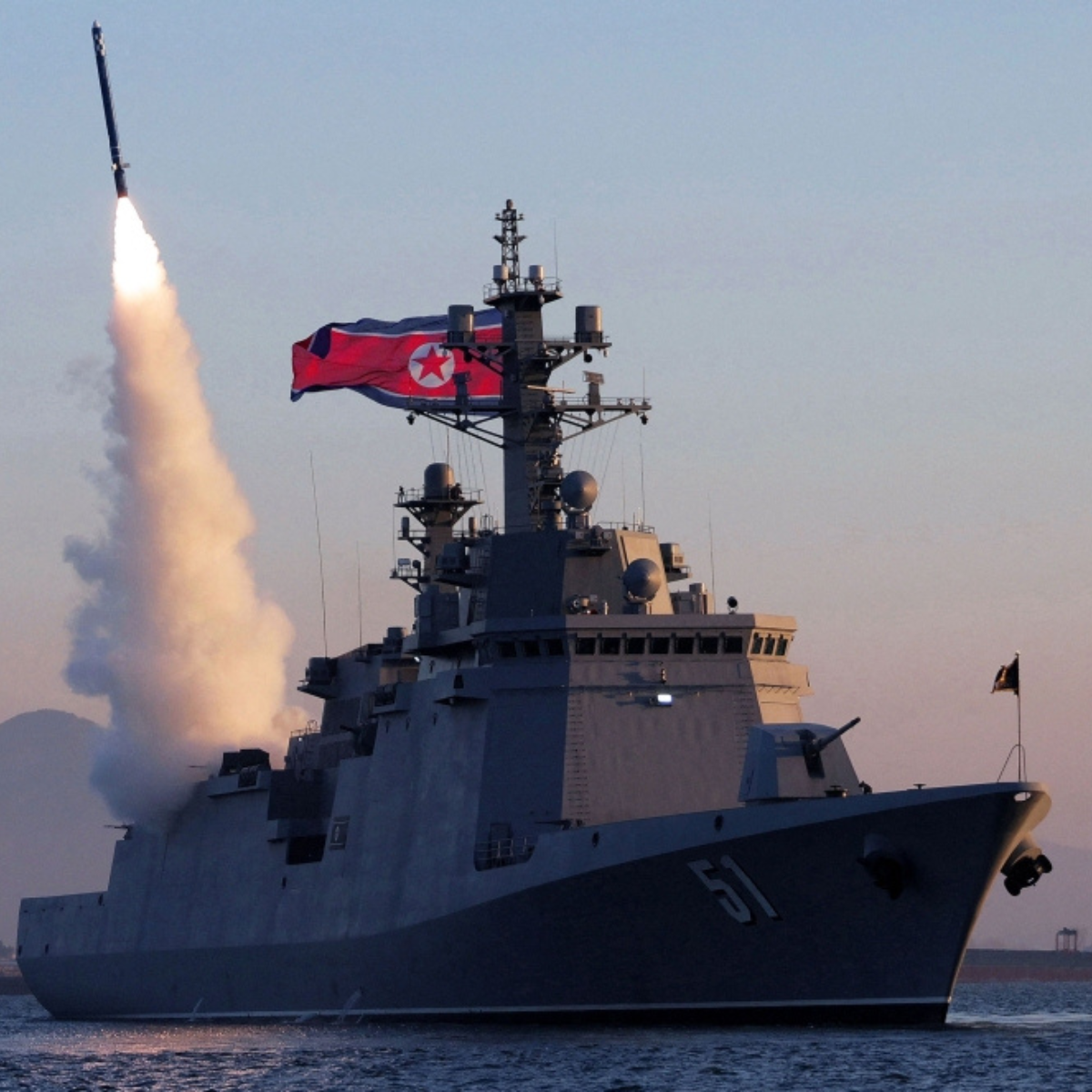
SEOUL, April 19 — North Korea fired multiple ballistic missiles on Sunday, South Korea’s military said, marking the latest in a series of recent weapons launches by the nuclear-armed state.
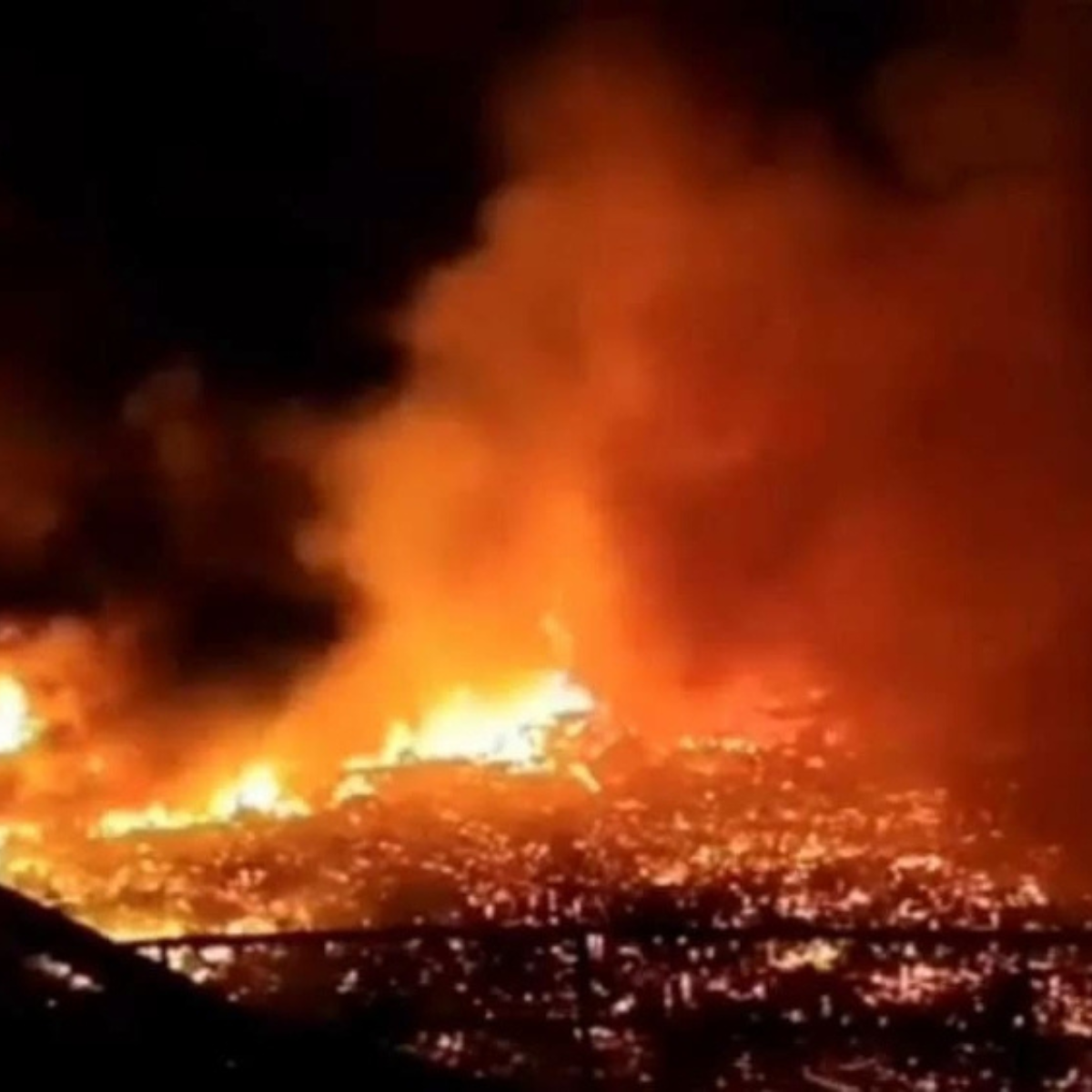
KUALA LUMPUR, April 19 — The federal and Sabah governments are working together to provide immediate basic aid and temporary shelter for victims of a fire that destroyed Kampung Bahagia in Sandakan.