April 20, 2026
Local
Local

KOTA TINGGI, April 20 — A 71-year-old man has been remanded for seven days until April 26 in connection with a shooting incident in Taman Kota Jaya that left three people dead yesterday.

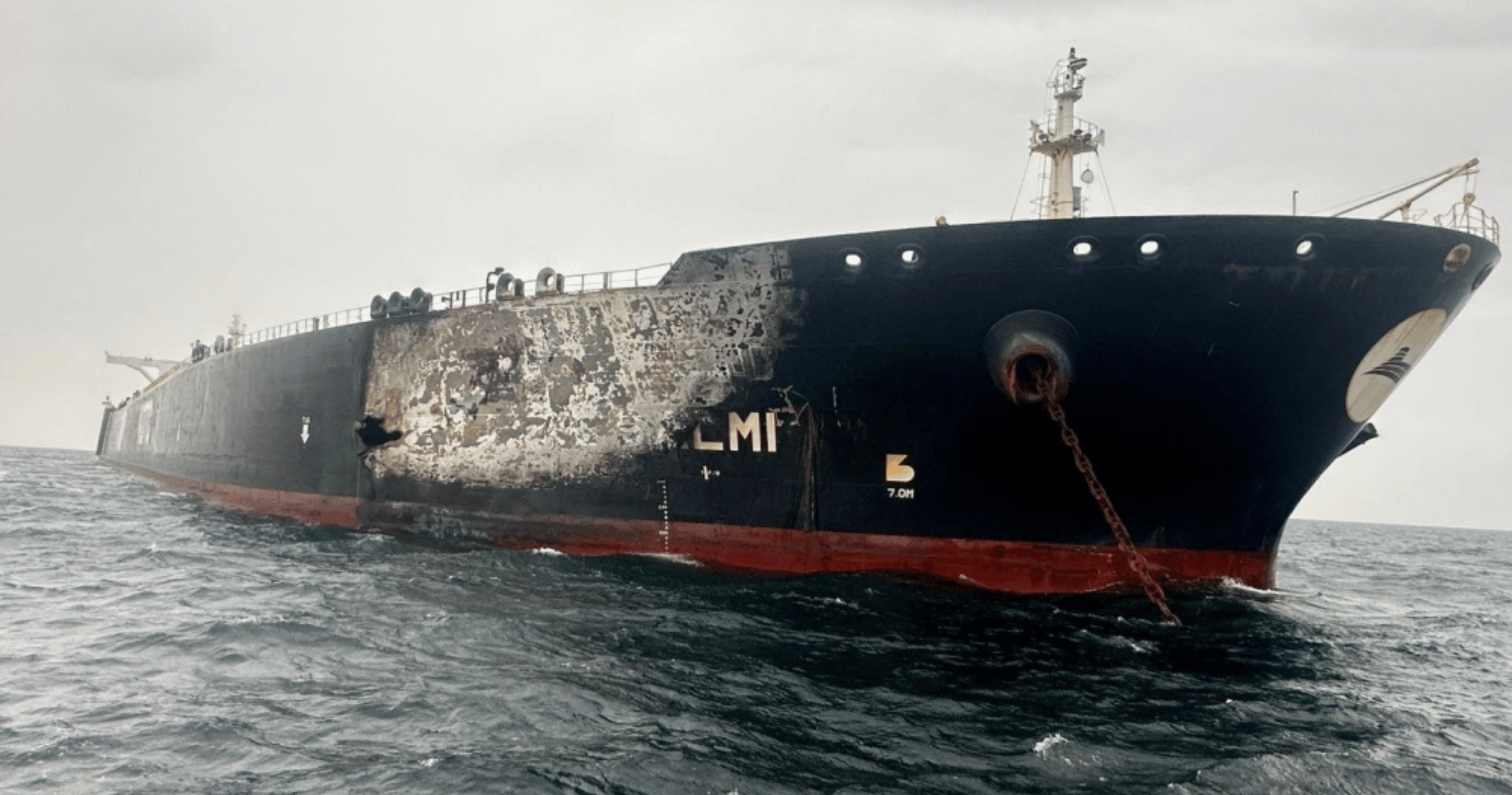
DUBAI, March 31 — Tehran launched a drone attack on a fully loaded crude oil tanker off Dubai today, setting it on fire despite a warning from US President Donald Trump that Washington would destroy Iran’s energy infrastructure if it refused a peace deal and kept the Strait of Hormuz closed.


DUBAI, March 31 — Tehran launched a drone attack on a fully loaded crude oil tanker off Dubai today, setting it on fire despite a warning from US President Donald Trump that Washington would destroy Iran’s energy infrastructure if it refused a peace deal and kept the Strait of Hormuz closed.
Dubai authorities said the blaze aboard the Kuwait-flagged Al-Salmi was brought under control, with no injuries or oil spill reported. However, the vessel’s hull sustained damage, according to Kuwait Petroleum Corporation, its owner. The incident marks the latest in a series of attacks on commercial shipping in the strategic waterway since US and Israeli strikes on Iran began on February 28.
Shipping data from LSEG indicated the tanker was en route to Qingdao, China, carrying around 1.2 million barrels of Saudi crude and 800,000 barrels of Kuwaiti crude, according to TankerTrackers.com.
The Al-Salmi may not have been the intended target. Iran’s Revolutionary Guards claimed they had struck a container vessel linked to Israel, likely referring to the Singapore-flagged Haiphong Express, which was anchored nearby.
Rising oil prices
The month-long conflict has intensified across the region, resulting in heavy casualties, supply disruptions, and growing fears of global economic fallout.
Oil prices briefly surged following the attack. The tanker, capable of carrying up to 2 million barrels, holds cargo valued at over US$200 million (approximately RM810 million) at current prices.
With no signs of de-escalation, Pakistan has stepped in to mediate. Its foreign minister, Ishaq Dar, was scheduled to discuss the crisis during a visit to China after hosting talks with Turkey, Egypt, and Saudi Arabia.
China, a key ally of Iran and its largest oil buyer, urged all parties to halt military action. It also confirmed that three Chinese vessels had recently passed through the Strait of Hormuz, which typically handles about 20% of global oil and LNG shipments.
Tehran said it had received US peace proposals via intermediaries but dismissed them as “unrealistic, illogical, and excessive.”
In response, Trump said Washington was now engaging with a “more reasonable regime,” referring to new Iranian leadership following wartime losses, while reiterating threats against Iran’s energy assets, including Kharg Island, a major export hub.
Failure to reach a deal has prompted the European Union to warn of prolonged disruption in energy markets.
Rising fuel costs are also putting pressure on US households and posing political challenges for Trump ahead of the November midterm elections. US gasoline prices have surpassed US$4 per gallon for the first time in over three years, while Brent crude has surged 56% this month to above US$113 per barrel — its sharpest increase on record.
Escalating conflict
The war continues to widen. Iran-aligned Houthi forces in Yemen have launched attacks on Israel, while Turkey reported intercepting a ballistic missile from Iran that briefly entered its airspace.
Clashes have also reignited between Israel and Hezbollah in Lebanon. Iran, which has suffered the highest casualties, has carried out strikes targeting locations in Gulf Arab states hosting US military bases.
An Iranian military spokesperson said recent strikes targeted “hideouts” of US personnel across five regional bases as well as sites in Israel.
Explosions were reported in Dubai, while Saudi Arabia said falling debris caused minor damage after intercepting a drone in Kharj province.
In Iran, blasts were heard in Tehran, with power outages reported in parts of the eastern Pirouzi district, according to Tasnim news agency.
Elsewhere, a strike on a Shi’ite congregation hall in Zanjan killed three people, while Israel reported four soldiers killed in southern Lebanon. Two separate incidents also claimed the lives of three UN peacekeepers from Indonesia.
Meanwhile, thousands of troops from the US Army’s 82nd Airborne Division have begun deploying to the Middle East, part of a broader military buildup that could expand options to include a potential ground offensive in Iran.
The White House said Trump is pushing for a deal before an April 6 deadline for Iran to reopen the Strait of Hormuz. However, reports suggest he may consider ending the military campaign even if the strait remains partially closed, leaving reopening efforts for a later stage.
US Secretary of State Marco Rubio said the waterway would be reopened “one way or another” following US operations. — Reuters
KOTA TINGGI, April 20 — A 71-year-old man has been remanded for seven days until April 26 in connection with a shooting incident in Taman Kota Jaya that left three people dead yesterday.
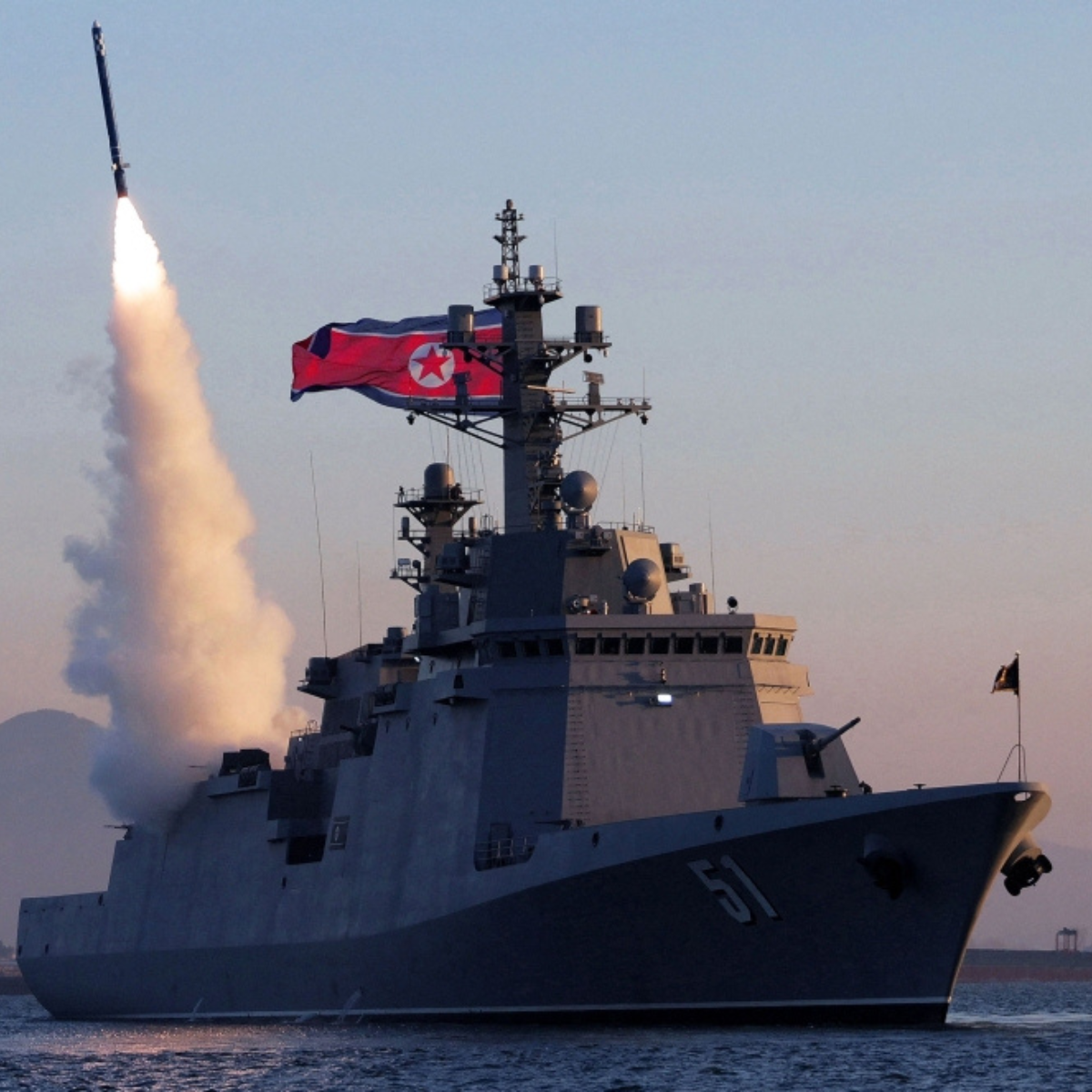
SEOUL, April 19 — North Korea fired multiple ballistic missiles on Sunday, South Korea’s military said, marking the latest in a series of recent weapons launches by the nuclear-armed state.
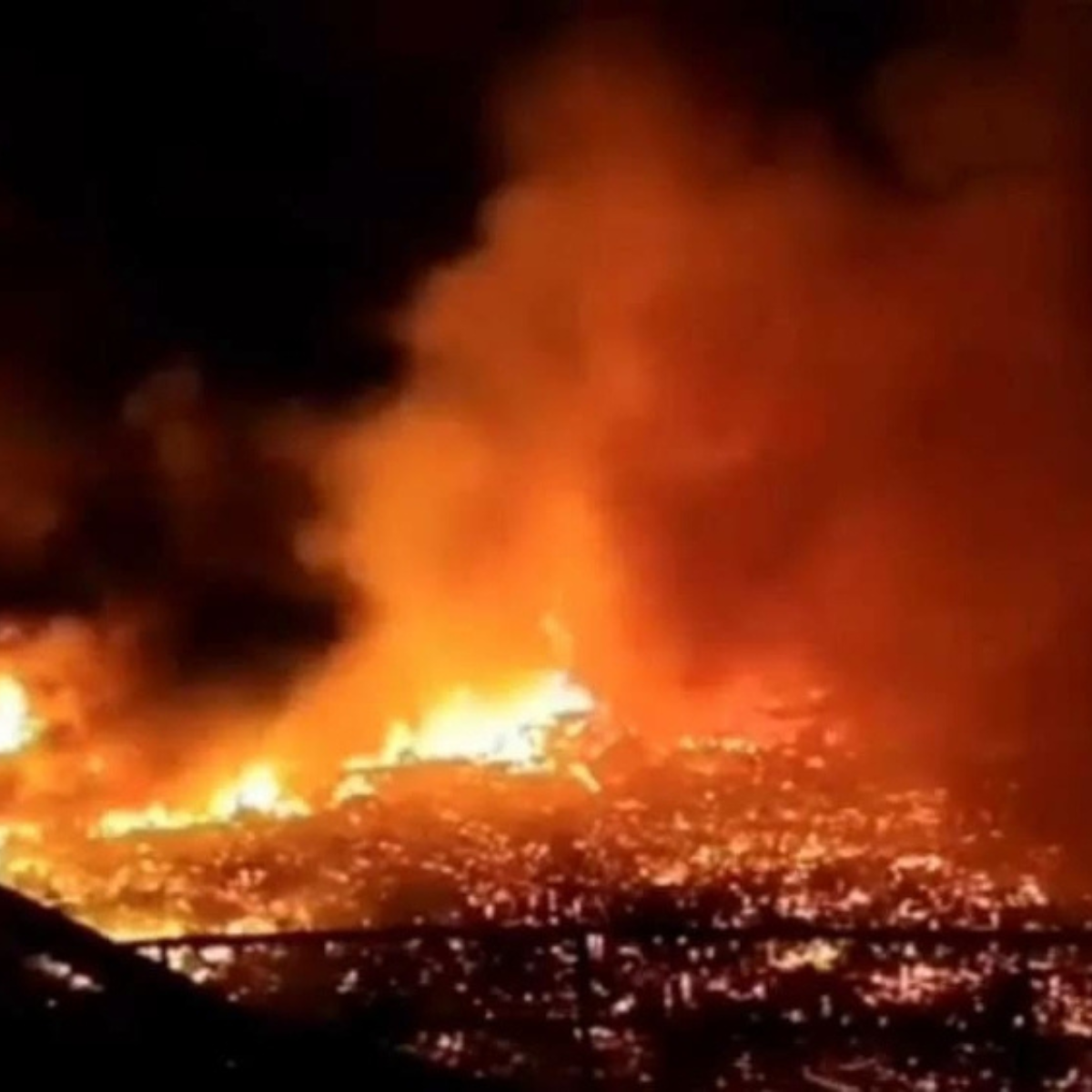
KUALA LUMPUR, April 19 — The federal and Sabah governments are working together to provide immediate basic aid and temporary shelter for victims of a fire that destroyed Kampung Bahagia in Sandakan.