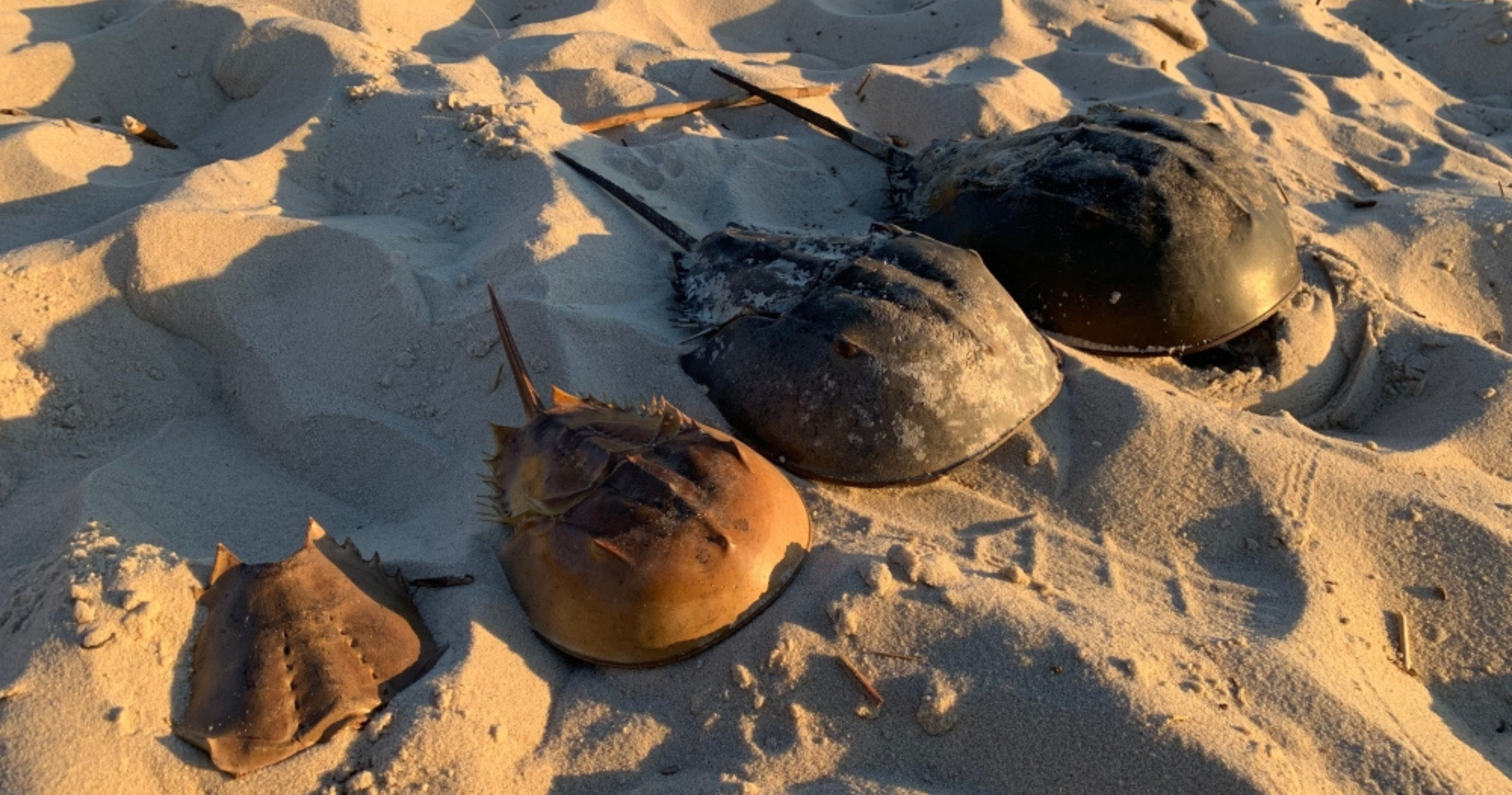
Malaysia records 14.44% rise in horseshoe crab landings, signalling boost for ancient species’ survival
PUTRAJAYA, June 20 — Malaysia recorded a 14.44 per cent rise in horseshoe crab landings over the past three years, reflecting the continued strength of coastal ecosystems in supporting the survival of the ancient marine species.
PUTRAJAYA, June 20 — Malaysia recorded a 14.44 per cent rise in horseshoe crab landings over the past three years, reflecting the continued strength of coastal ecosystems in supporting the survival of the ancient marine species.
The Department of Fisheries Malaysia (DOF) said total landings increased from 232.80 tonnes in 2023 to 266.42 tonnes in 2025, while wholesale value rose 9.32 per cent to RM2.68 million, compared with RM2.45 million previously.
Director-General of Fisheries Datuk Adnan Hussain described horseshoe crabs as a valuable component of the nation’s marine biodiversity, with significant importance not only to coastal ecosystems but also to bioscience and biomedicine.
He said the rise in landings indicates that Malaysia’s coastal environments remain capable of sustaining the species, but warned that ongoing threats such as habitat loss, pollution and overharvesting require continuous and integrated conservation efforts.
Although horseshoe crabs contribute only about 0.019 per cent of total capture fisheries landings, he noted that they hold high commercial and scientific value and could provide additional income for coastal fishing communities.
Often referred to as a “living fossil”, the species has existed for over 400 million years and is highly valued in biomedical research due to its blue blood, which contains amebocyte lysate used to detect bacterial contamination in vaccines and medicines.
DOF said Malaysia is a key habitat for conservation efforts, hosting three of the world’s four horseshoe crab species: Carcinoscorpius rotundicauda, Tachypleus gigas and Tachypleus tridentatus.
Despite the encouraging trend in landings, the species continues to face threats from coastal development, plastic pollution and unregulated egg harvesting.
The department said it will step up conservation efforts through stricter enforcement, scientific research, juvenile release programmes and the designation of breeding areas as protected zones.
It also urged public cooperation in protecting coastal ecosystems and mangrove habitats, stressing that conserving horseshoe crabs is vital for marine biodiversity and reflects Malaysia’s commitment to safeguarding natural resources for future generations. — Bernama
According to the DOF, Malaysia plays an important role in the conservation of the species as it is home to three of the world’s four horseshoe crab species, namely Carcinoscorpius rotundicauda, Tachypleus gigas and Tachypleus tridentatus. — Pexels pic
PARIS, June 21 — France is set to hold its annual street music festival on Sunday under extreme heat conditions, with about a third of the country placed under the highest-level heat warning and alcohol consumption banned in affected areas.
GEORGE TOWN, June 21 — The Penang government has approved RM129,900 under its Youth Development Fund this year to support 68 youth programmes organised by 48 associations across the state.
LONDON, June 20 — One person was killed and dozens others were injured, including 11 in “very serious” condition, after two passenger trains collided north of London on Friday, UK emergency services said.