January 23, 2026
Local
Local
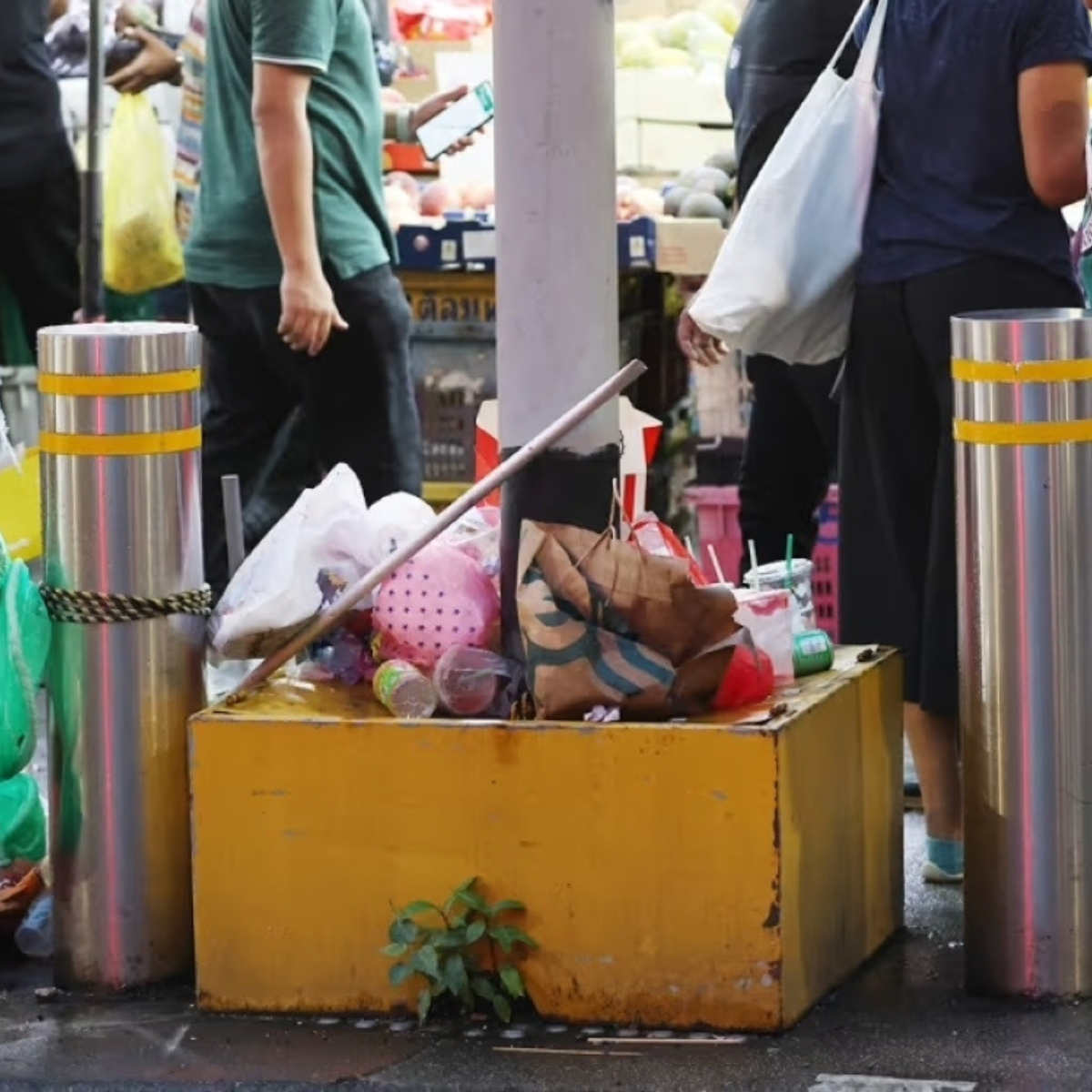
KUALA LUMPUR, Jan 23 — Two foreign nationals have become the first individuals in Malaysia to be charged in court for littering under the newly enforced anti-littering law, according to a report by The Star.


NAIROBI, Feb 27 — Beaten, starved, and electrocuted, Ahmed remains deeply scarred months after being trafficked to Southeast Asia, where countless Africans are forced into scam centers.
These operations, thriving across the region, employ foreigners to run online scams in a multi-billion-dollar industry. Many, like 25-year-old Ahmed from Ethiopia, are lured with promises of high-paying jobs but end up trapped in prison-like compounds in Laos, Cambodia, and Myanmar.
Victims are coerced into “pig butchering” scams, where they pose as wealthy Western women online to manipulate victims into cryptocurrency investments before vanishing with their savings.
Ahmed, whose name has been changed for safety, was deceived by a friend offering a job abroad. His family raised US$1,600 (RM7,087) for his journey to Laos, only for him to be trafficked into scam operations. After escaping one compound, he was abducted and taken to another in Myanmar, where captors demanded US$5,000 (RM22,147) for his release.
“When I told them I had no money, they laughed and electrocuted me until I lost consciousness,” he recounted. Half-starved by the 11th day, he was given three choices: work for free for 18 months, pay the ransom, or perform in forced pornography.
He chose forced labor, enduring brutal conditions where some lost limbs due to torture. “They cut off fingers of ‘underperforming’ workers,” he said. “I’m lucky—though I still suffer from electrocution injuries, my limbs are intact.”
Africans Increasingly Targeted
Ahmed estimates around 3,000 workers were held in his Myanmar compound, including Ethiopians, Kenyans, and Ugandans. Criminal networks exploit desperate, English-speaking job seekers, while African governments offer little support.
“There’s almost no help from Ethiopian embassies,” said Jason Tower of the United States Institute of Peace. Ahmed echoed this: “My government has done nothing for me.”
The crackdown in Cambodia and Laos has pushed these scam centers into even more lawless territories in Myanmar, worsening brutality. Ahmed noted that Africans faced harsher punishments than Chinese and Indian workers, who were merely forced to do push-ups.
A Never-Ending Crisis
Other survivors shared similar horrors. Mohammed, another Ethiopian, recalled being taken to a bloodstained compound in Myanmar where he was whipped daily. “I wished I was dead,” he said. His family raised nearly US$8,000 (RM35,436) to free him, leaving them destitute.
When Ahmed returned home, he discovered his family had somehow gathered US$2,000 (RM8,859) for his release and flight. “Now they are drowning in debt,” he said.
“I feel like I escaped one crisis only to enter another.” — AFP
KUALA LUMPUR, Jan 23 — Two foreign nationals have become the first individuals in Malaysia to be charged in court for littering under the newly enforced anti-littering law, according to a report by The Star.

MELAKA, Jan 23 — A Myanmar national was sentenced yesterday to 13 years and seven months in prison by the Magistrate’s Court here after pleading guilty to 17 charges related to forged documents, including fake passports and counterfeit United Nations High Commissioner for Refugees (UNHCR) cards.
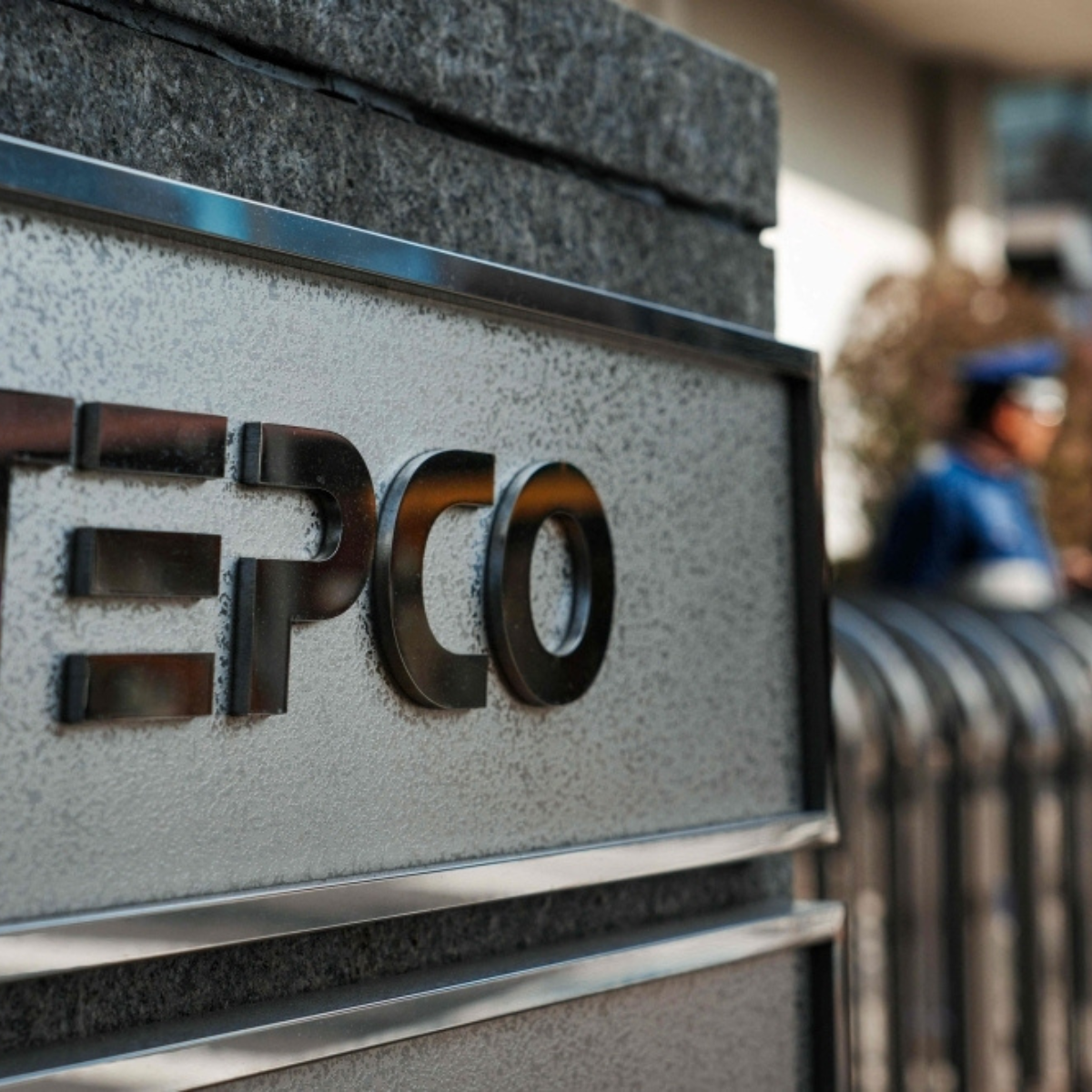
TOKYO, Jan 22 — Japan has halted the restart of the world’s largest nuclear power plant just hours after it began, though the reactor remains “stable,” the operator said.