Iran launches missile attacks on Bahrain and Kuwait following US strikes, as Gulf allies condemn the moves as ‘blatant aggression’
TEHRAN, June 7 — Iran fired a series of missiles at US allies Bahrain and Kuwait yesterday following fresh American strikes, triggering strong condemnation from Gulf monarchies and further straining an already fragile truce.
TEHRAN, June 7 — Iran fired a series of missiles at US allies Bahrain and Kuwait yesterday following fresh American strikes, triggering strong condemnation from Gulf monarchies and further straining an already fragile truce.
Weeks of indirect negotiations marked by mutual threats and intermittent clashes have so far failed to produce an agreement to end the Middle East conflict or reopen the Strait of Hormuz, a key route for Gulf oil and gas shipments.
US Central Command (Centcom) said late Friday its forces shot down four Iranian attack drones heading toward the strait before striking Iranian coastal surveillance radar sites.
Iran’s Revolutionary Guards said yesterday they had retaliated by targeting “enemy bases in the area” with missiles.
Centcom reported that seven Iranian ballistic missiles were launched toward Bahrain and Kuwait, with six intercepted and one falling short.
Bahrain, home to the US Fifth Fleet headquarters, condemned the attacks as “blatant aggression”, while Kuwait described them as “a dangerous escalation”.
In Manama, an AFP journalist reported hearing three explosions as air raid sirens sounded, while in Kuwait City, blasts were heard near the international airport, where a previous strike blamed on Iran had killed one person.
“We woke up to a huge explosion,” said Reem, a mother of two. “My children were terrified, and I couldn’t calm them down.”
A ceasefire in the conflict — triggered nearly 100 days ago by US and Israeli strikes — has held since April 8 despite occasional flare-ups.
Iran’s foreign ministry described the latest US strikes as “flagrant” violations and condemned Washington’s “hostile and provocative behaviour”.
Efforts to turn the truce into a lasting settlement have repeatedly stalled, with the conflict disrupting global markets and increasing political pressure on US President Donald Trump ahead of midterm elections.
“The negotiations are at a deadlock and Trump must break this deadlock,” said Mohsen Rezaei, a military adviser to Iran’s supreme leader, in an interview with CNN, calling for the release of about US$24 billion in frozen Iranian assets.
Washington, meanwhile, is reportedly considering using those funds to help Gulf allies rebuild damage caused by Iranian attacks.
A source familiar with US Treasury Secretary Scott Bessent’s thinking said the department would “utilize all tools available” to make Iranian assets available for reconstruction and repairs.
Lebanon, which has been drawn into the wider conflict through Iran-backed Hezbollah, called on Iran to stop interfering in its affairs.
Lebanon’s army chief Rodolphe Haykal departed yesterday for Pakistan to meet his counterpart Asim Munir, who has played a key role in mediation efforts between Iran and the US.
Iran maintains that the conflicts in Lebanon and the Gulf are interconnected in its peace talks with Washington.
Separately, Lebanon said an Israeli strike in the south killed three soldiers, while Israel said it was reviewing the incident and insisted its operations targeted Hezbollah, not state forces.
The health ministry reported that two women were killed and 22 others wounded in another Israeli strike on Saksakiyeh.
The Israeli military also confirmed the deaths of two of its soldiers.
Despite a ceasefire announced in April, fighting in Lebanon has continued, and a new conditional truce proposal this week was rejected by Hezbollah.
Separately, tensions also rose over the US refusal to issue visas to some members of Iran’s World Cup football delegation.
Iranian state media said players and technical staff had received visas, but 15 administrative and managerial staff were denied entry.
A US official said: “We will not allow the Iranian team to abuse this system to sneak terrorists into the US under false pretenses.”
Iran’s embassy in Turkey urged FIFA to hold the US accountable for what it called discriminatory treatment of its team.
Iranian football authorities described the decision as “political interference in sport in its worst form”.
The national team is reportedly travelling to Mexico to prepare for the tournament co-hosted by the US, Canada and Mexico, with reports also indicating restrictions on entry timing for matches held in the US.
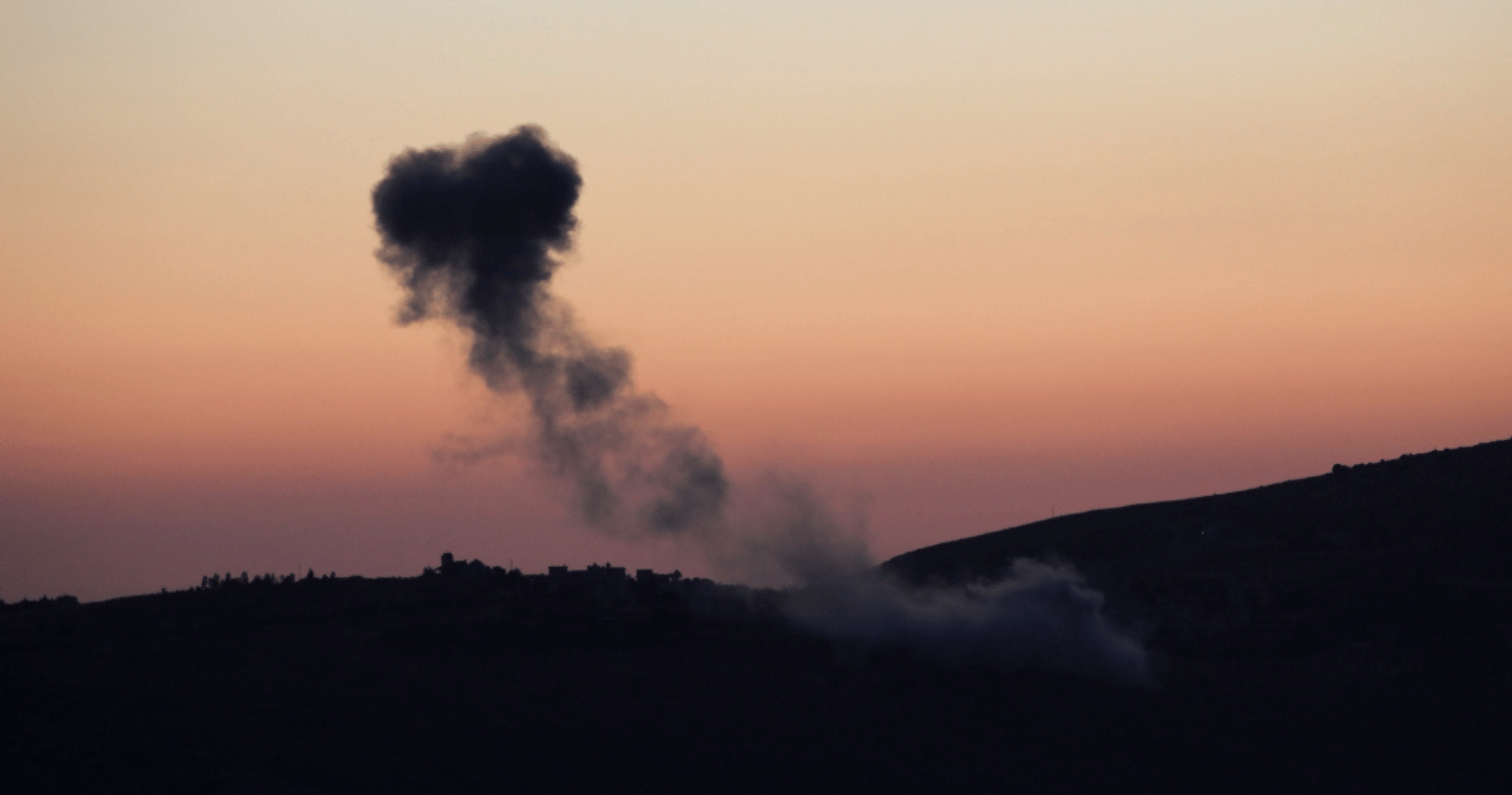
For illustration purposes only. Iran fired missiles at Bahrain and Kuwait yesterday following fresh US strikes, prompting anger from Gulf monarchies as tensions continued despite a fragile truce. — Reuters pic
PARIS, June 7 — US Defence Secretary Pete Hegseth warned yesterday that Europe was facing what he described as an “invasion” of dangerous ideologies arriving by sea, drawing a link between immigration and the legacy of the D-Day landings during remarks in Normandy.
PUTRAJAYA, June 7 — The Ministry of Science, Technology and Innovation (Mosti) has begun monitoring operations following reports of a mysterious bright light spotted in Sabah’s airspace earlier this week.
IPOH, June 7 — Hiker Jaslinda Saludin, 49, who was found safe after going missing for 14 days during a trek at Gunung Batu Putih near Tapah, recounted how she survived in the forest without carrying any food or water.