January 23, 2026
Local
Local

KUALA LUMPUR, Jan 23 — Two foreign nationals have become the first individuals in Malaysia to be charged in court for littering under the newly enforced anti-littering law, according to a report by The Star.


NAYPYIDAW, March 6 — Scam centers operating along the Thai-Myanmar border for years have come under renewed scrutiny following the high-profile abduction and release of a Chinese actor in Thailand.


NAYPYIDAW, March 6 — Scam centers operating along the Thai-Myanmar border for years have come under renewed scrutiny following the high-profile abduction and release of a Chinese actor in Thailand.
The incident has prompted a multinational crackdown involving Thailand, China, and Myanmar, targeting a network of scam compounds across Southeast Asia.
According to the United Nations, these criminal operations have trafficked hundreds of thousands of people, generating illicit revenues worth billions of dollars annually.
What Are These Scam Centers?
Scam centers, particularly in Cambodia, Laos, and Myanmar, run illegal online schemes designed to defraud victims.
Scammers typically reach out through social media and messaging apps, building relationships before luring victims into fraudulent investments, such as cryptocurrency schemes, commonly known as “pig butchering.”
Some sites also engage in money laundering and illegal gambling operations, experts say.
The current crackdown is mainly focused on Myanmar’s Myawaddy region, near the Thai border, where these scam operations are often protected by armed groups like the Karen National Army (KNA) and the Democratic Karen Buddhist Army (DKBA).
When Did They Start?
These scams originated from loosely regulated casinos and online gambling operations in the 1990s, expanding rapidly in the 2000s, according to the United States Institute of Peace (USIP).
Shwe Kokko, a major scam compound in Myawaddy, was established in 2017 by Hong Kong-registered Yatai International Holdings Group and a precursor to the KNA, then under the control of Myanmar’s military. It was initially advertised as a casino destination, USIP reported in 2020.
The company has denied any involvement in criminal activities, including human trafficking.
The scam industry in Myanmar’s borderlands expanded significantly in recent years. The Center for Strategic and International Studies (CSIS) noted that criminal groups sought new revenue sources during the COVID-19 pandemic, when travel restrictions disrupted the gambling industry.
“Many repurposed their facilities into cyber-scamming compounds,” CSIS stated.
Who Operates These Scam Centers?
Criminal networks, primarily from China, run many of these operations, often with backing from armed groups like the KNA in Myanmar’s Myawaddy region, according to USIP.
Survivors who have escaped these scam compounds report widespread coercion and torture.
Junta-aligned groups have also operated or supported scam centers along Myanmar’s northern border with China, frustrating Beijing. Some of these centers were caught in clashes when anti-junta rebels launched “Operation 1027” in 2023.
A 2023 Reuters investigation traced at least $9 million linked to “pig butchering” scams to an account registered under a well-connected representative of a Chinese trade group in Thailand.
What Is the Latest Crackdown?
Several regional governments have intensified efforts to dismantle these scam networks. Thailand has cut power, fuel, and internet services to areas in Myanmar linked to these illegal operations.
The latest crackdown was triggered by the January abduction of Chinese actor Wang Xing in Thailand, which sparked outrage in China. Though he was later found in Myawaddy and swiftly returned home, the incident raised concerns in Thailand, where Chinese tourists are vital to the country’s tourism industry.
Inside Myanmar, the junta has detained over 3,700 foreign nationals linked to scam operations since late January, with more than 750 repatriated, according to state media.
Last month, China flew home around 200 of its citizens from Thailand’s Mae Sot, a border city near Myawaddy. Meanwhile, approximately 7,000 individuals—mostly Chinese nationals rescued from scam compounds—remain in camps managed by the KNA and DKBA.
The crackdown has also extended to Cambodia, where authorities recently rescued more than 215 people from a scam center. — Reuters
KUALA LUMPUR, Jan 23 — Two foreign nationals have become the first individuals in Malaysia to be charged in court for littering under the newly enforced anti-littering law, according to a report by The Star.

MELAKA, Jan 23 — A Myanmar national was sentenced yesterday to 13 years and seven months in prison by the Magistrate’s Court here after pleading guilty to 17 charges related to forged documents, including fake passports and counterfeit United Nations High Commissioner for Refugees (UNHCR) cards.
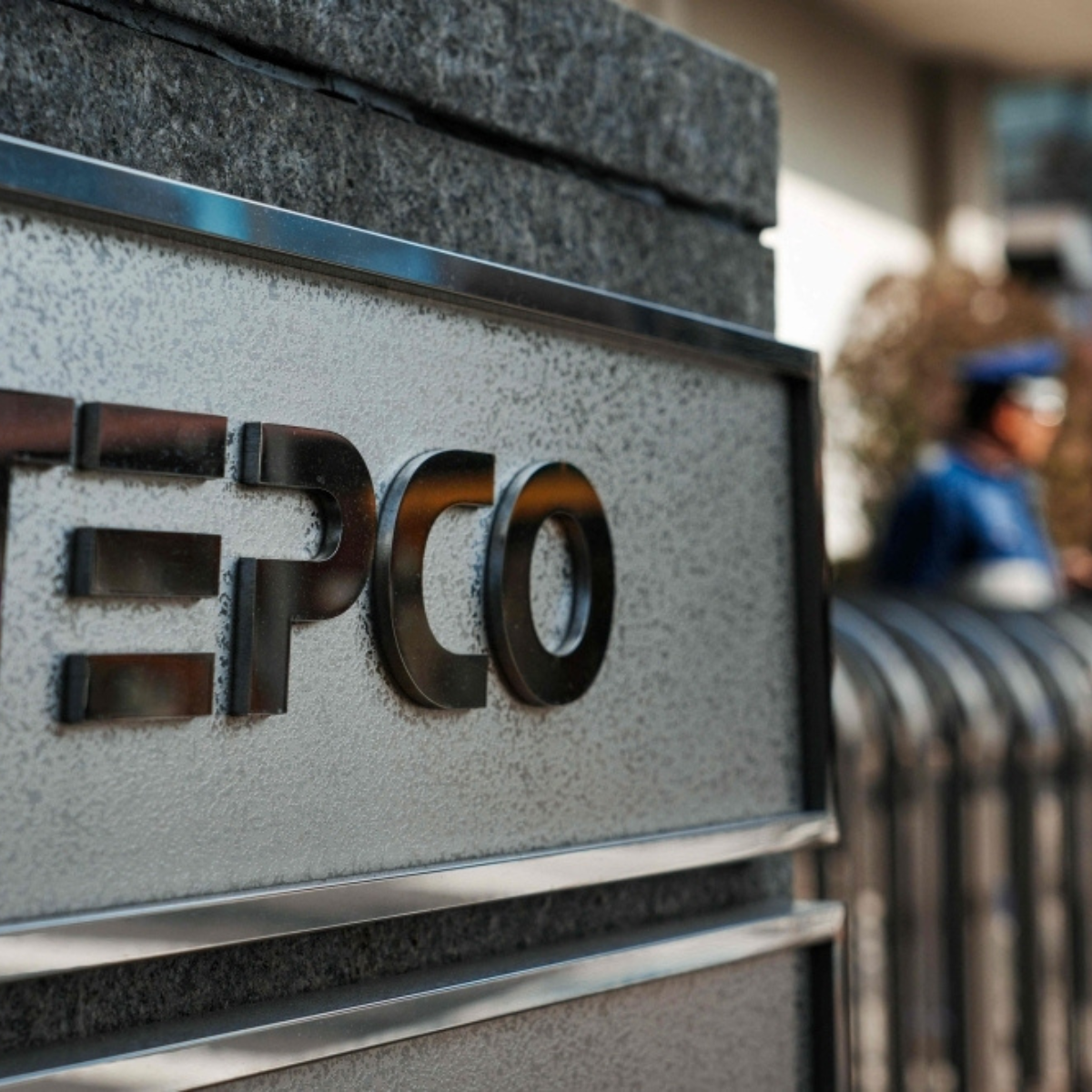
TOKYO, Jan 22 — Japan has halted the restart of the world’s largest nuclear power plant just hours after it began, though the reactor remains “stable,” the operator said.