“‘No one wins in war’: Philippine drivers face hardships as fuel prices climb”
MANILA, March 18 — Hundreds of Philippine tricycle drivers queued yesterday in Manila to receive cash handouts aimed at easing the strain from a war-driven spike in fuel prices that has left the country searching for short-term solutions.
MANILA, March 18 — Hundreds of Philippine tricycle drivers queued yesterday in Manila to receive cash handouts aimed at easing the strain from a war-driven spike in fuel prices that has left the country searching for short-term solutions.
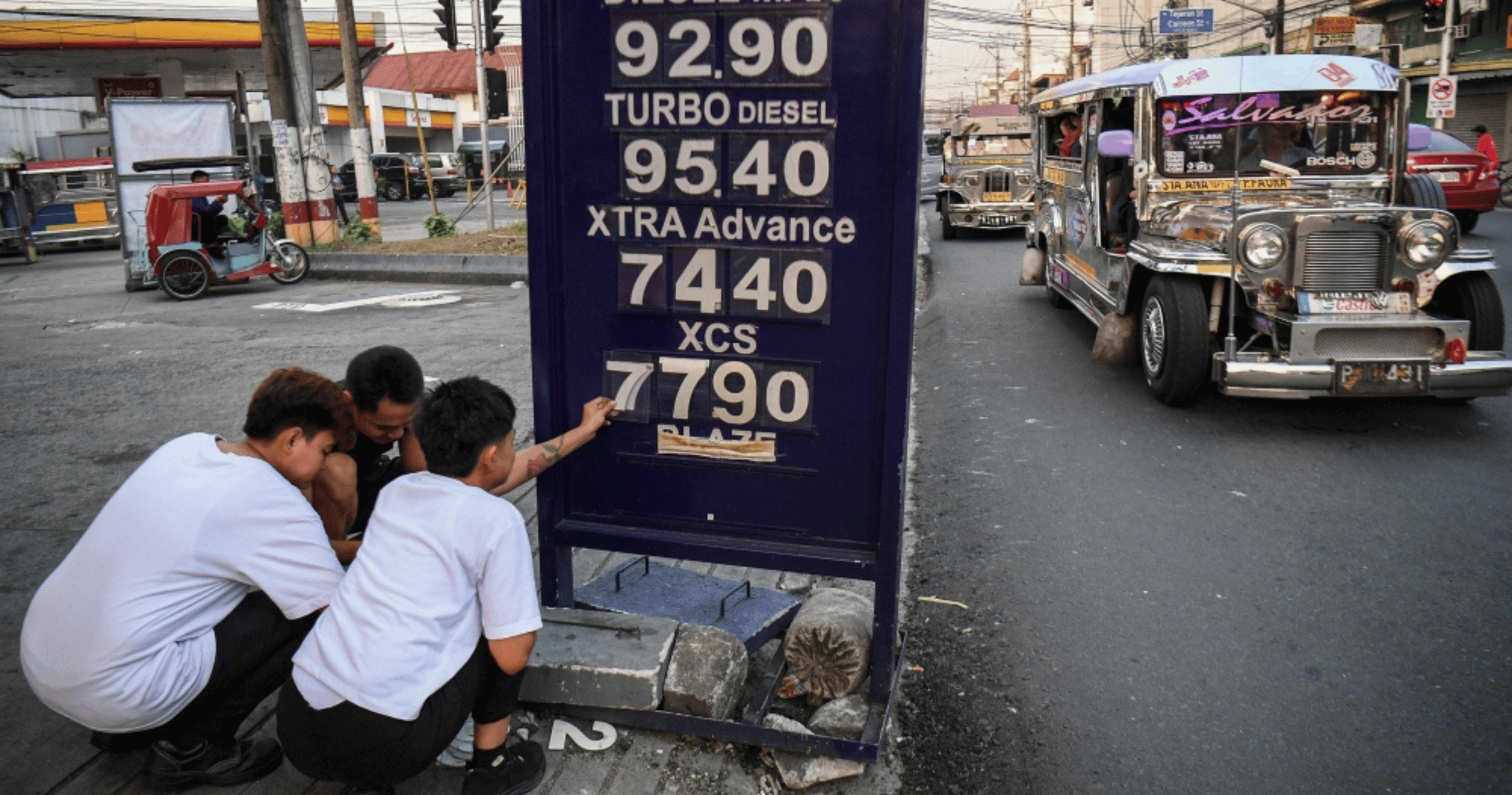
The Middle East conflict, triggered last month by US-Israeli strikes on Iran, has led the Philippines to adopt a four-day work week for civil servants, reduce ferry schedules in some areas, and explore importing Russian oil.
While drivers waited for their subsidies, authorities announced a series of fare increases for various local transport modes, including the smoke-belching jeepneys relied upon by millions of Filipinos for daily commutes.
However, these fare hikes did not apply to the country’s hundreds of thousands of tricycle drivers, who earn a living ferrying passengers through narrow alleys on small motorbikes with sidecars.
“These are the highest fuel prices I’ve ever seen,” said Romeo Cipriano, a tricycle driver for 40 years. The 60-year-old described arriving at 6 a.m. to avoid the tropical heat, something his high blood pressure made risky, adding that the 5,000-peso (RM328) subsidy would be “better than nothing.”
Al de Ocampo reported that his daily income had dropped from 1,000 to just 500 pesos in recent weeks. He noted that the handout would last no more than a week.
“The price of fuel rose again today, but fares haven’t increased because passengers can’t afford it,” de Ocampo said. “They should remove the fuel tax, or at least cut it by half. That would help until the war ends.”
Later yesterday, the Senate was expected to vote on granting President Ferdinand Marcos, who attended the subsidy distribution, the authority to temporarily suspend or reduce excise taxes on oil.
At a press briefing, Vigor Mendoza, chair of the country’s transportation regulator, described the fare increases as “proof of genuine concern” for commuters and the struggling sector. Jeepney fares, the backbone of the nation’s transport system, were set to rise by an average of eight percent.
The Philippines, which relies almost entirely on Middle Eastern crude oil, is also considering Russian oil purchases after a temporary easing of US restrictions on certain oil sales following the closure of the Strait of Hormuz. Ramon Ang, CEO of the country’s sole oil refiner Petron, confirmed to AFP that the company was “in talks” regarding Russian oil but did not provide further details.
As Cipriano waited patiently for his subsidy at the Manila community center, he reflected on the broader impact.
“We’re not the only ones affected,” he said. “No one wins in war.” — AFP
Since US-Israeli strikes on Iran triggered the Middle East war last month, the archipelago nation has implemented a four-day work week for civil servants, seen ferry schedules reduced in some areas, and begun eyeing the possibility of Russian oil imports. — AFP pic
BANGKOK, April 24 — Thailand’s Supreme Court on Friday agreed to hear a petition accusing 44 current and former opposition lawmakers of ethics violations over their 2021 move to amend a law protecting the monarchy from criticism, according to Thai media reports.
PUTRAJAYA, April 24 — The Court of Appeal today dismissed Kepala Batas MP Dr Siti Mastura’s appeal against a High Court ruling ordering her to pay RM825,000 in damages and costs for defaming three DAP leaders by linking them to former Communist Party of Malaya leader Chin Peng.
THE HAGUE, April 23 — Former Philippines president Rodrigo Duterte will stand trial at the International Criminal Court after judges on Thursday confirmed charges of crimes against humanity over his controversial “war on drugs.”