NTSB reports that the safety system malfunctioned in the LaGuardia crash that claimed the lives of two pilots.
NEW YORK, March 25 — Tracking systems intended to prevent runway collisions failed at New York’s LaGuardia Airport when an Air Canada Express jet struck a fire truck Sunday night, killing both pilots, the National Transportation Safety Board (NTSB) said yesterday.
NEW YORK, March 25 — Tracking systems intended to prevent runway collisions failed at New York’s LaGuardia Airport when an Air Canada Express jet struck a fire truck Sunday night, killing both pilots, the National Transportation Safety Board (NTSB) said yesterday.
NTSB Chair Jennifer Homendy explained that the airport’s ground surveillance system did not issue an alert about vehicles being close to the runway. The fire truck involved also lacked a transponder to transmit its location to air traffic control.
The NTSB is leading the investigation into the fatal collision of the CRJ-900 jet, operated by Air Canada’s regional partner Jazz Aviation. The crash injured 39 of the 76 passengers and crew, with six still hospitalized, Air Canada reported.
The Federal Aviation Administration has recommended equipping airport fire trucks with transponders to improve tracking of their movements at busy airports.
“Controllers need all the information and tools to do their job,” Homendy said. “That includes ground movements of both aircraft and vehicles.”
Investigators will examine communications between the landing plane, the air traffic controller, and the fire truck. Air crashes are typically caused by multiple factors, and the investigation aims to improve aviation safety. The NTSB can issue safety recommendations to the FAA, but these are not binding.
Homendy noted ongoing concerns about staffing at LaGuardia’s control tower. At the time of the crash, two controllers were on duty during the overnight shift, performing multiple roles in a glass-enclosed section of the tower. Questions remain over task allocation and why the controller who cleared the truck was not relieved immediately after the incident.
Data from the cockpit voice recorder shows only 20 seconds elapsed from the fire truck being cleared to cross the runway to the crash. The truck entered the runway just nine seconds before impact, leaving little time for the pilots to abort their landing, according to former FAA specialist Mike McCormick.
Runway status lights that flash red to indicate it is unsafe to cross were operational, raising questions about why the truck entered the runway. Investigators will also assess visibility conditions on the misty evening.
The NTSB has long warned about runway incursions. Homendy referenced a January 2025 mid-air collision, partly caused by high controller workload affecting performance and situational awareness.
The controller who cleared the truck had just started a 10:45 pm shift and was also managing other aircraft, including a United Airlines flight reporting an emergency. Homendy cautioned against blaming controllers, noting the environment is one of heavy workload. — Reuters
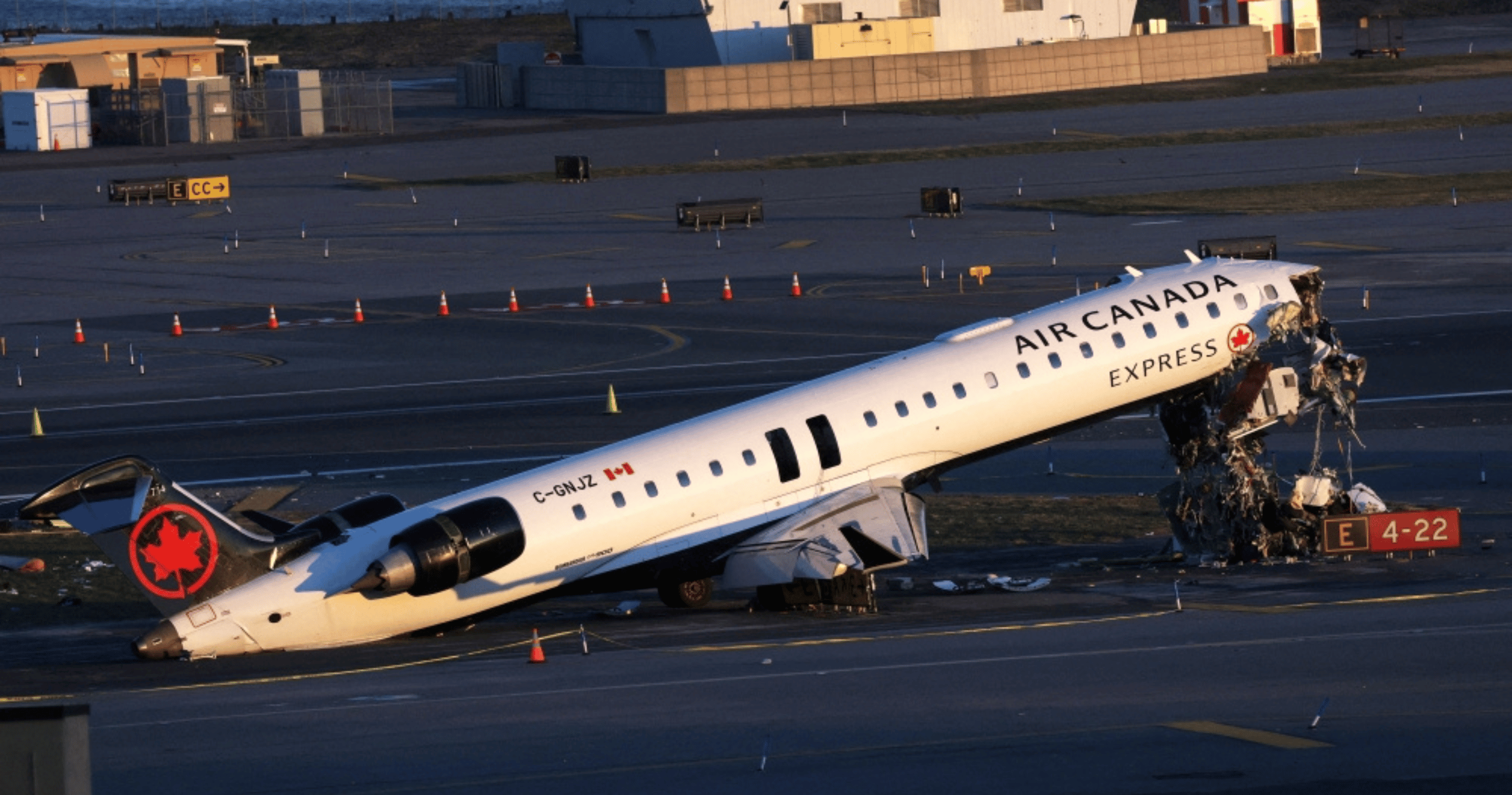
The wreckage of an Air Canada Express aircraft that struck a ground vehicle at New York’s LaGuardia Airport on March 24, 2026. — Reuters pic
BANGKOK, April 24 — Thailand’s Supreme Court on Friday agreed to hear a petition accusing 44 current and former opposition lawmakers of ethics violations over their 2021 move to amend a law protecting the monarchy from criticism, according to Thai media reports.
PUTRAJAYA, April 24 — The Court of Appeal today dismissed Kepala Batas MP Dr Siti Mastura’s appeal against a High Court ruling ordering her to pay RM825,000 in damages and costs for defaming three DAP leaders by linking them to former Communist Party of Malaya leader Chin Peng.
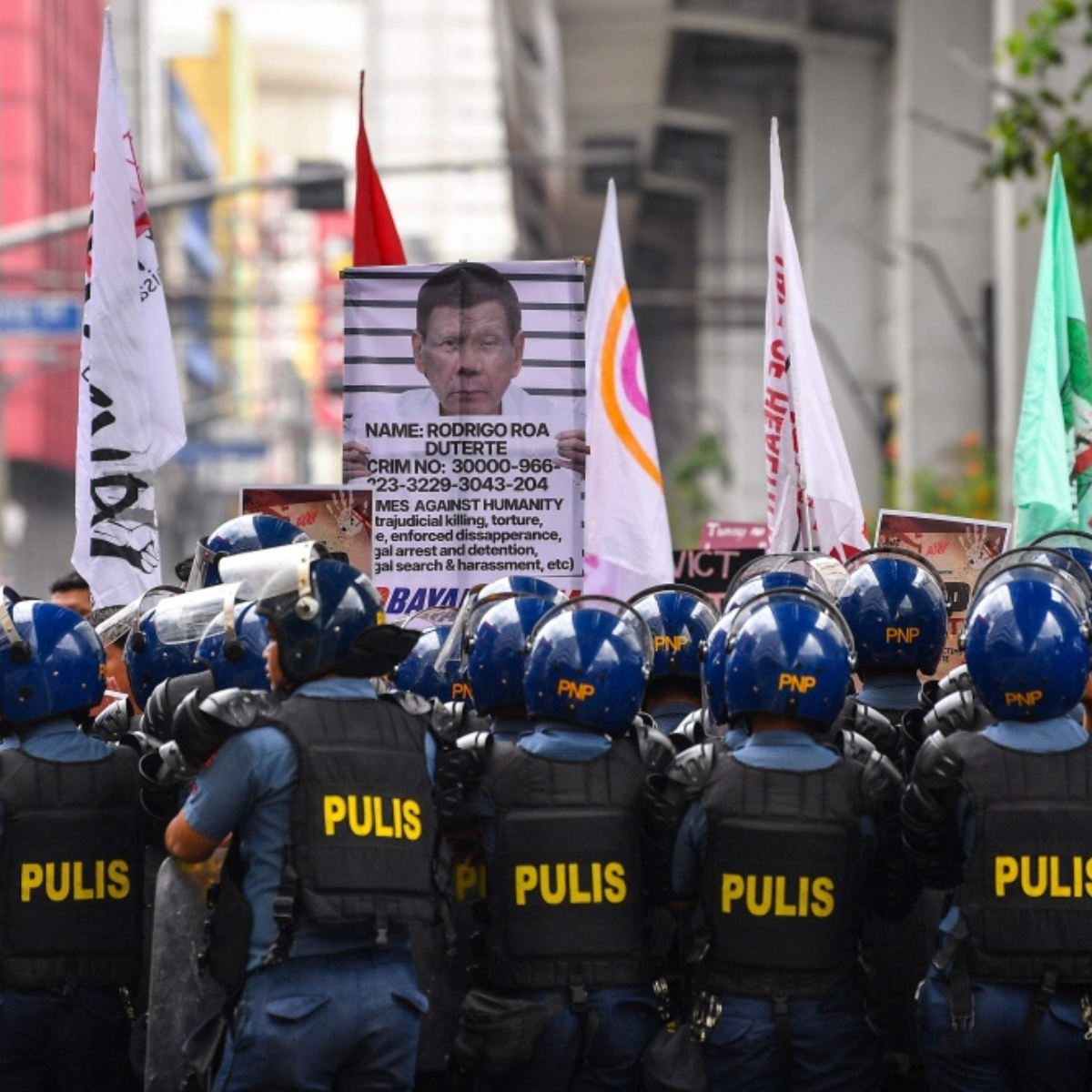
THE HAGUE, April 23 — Former Philippines president Rodrigo Duterte will stand trial at the International Criminal Court after judges on Thursday confirmed charges of crimes against humanity over his controversial “war on drugs.”