April 6, 2026
World
World
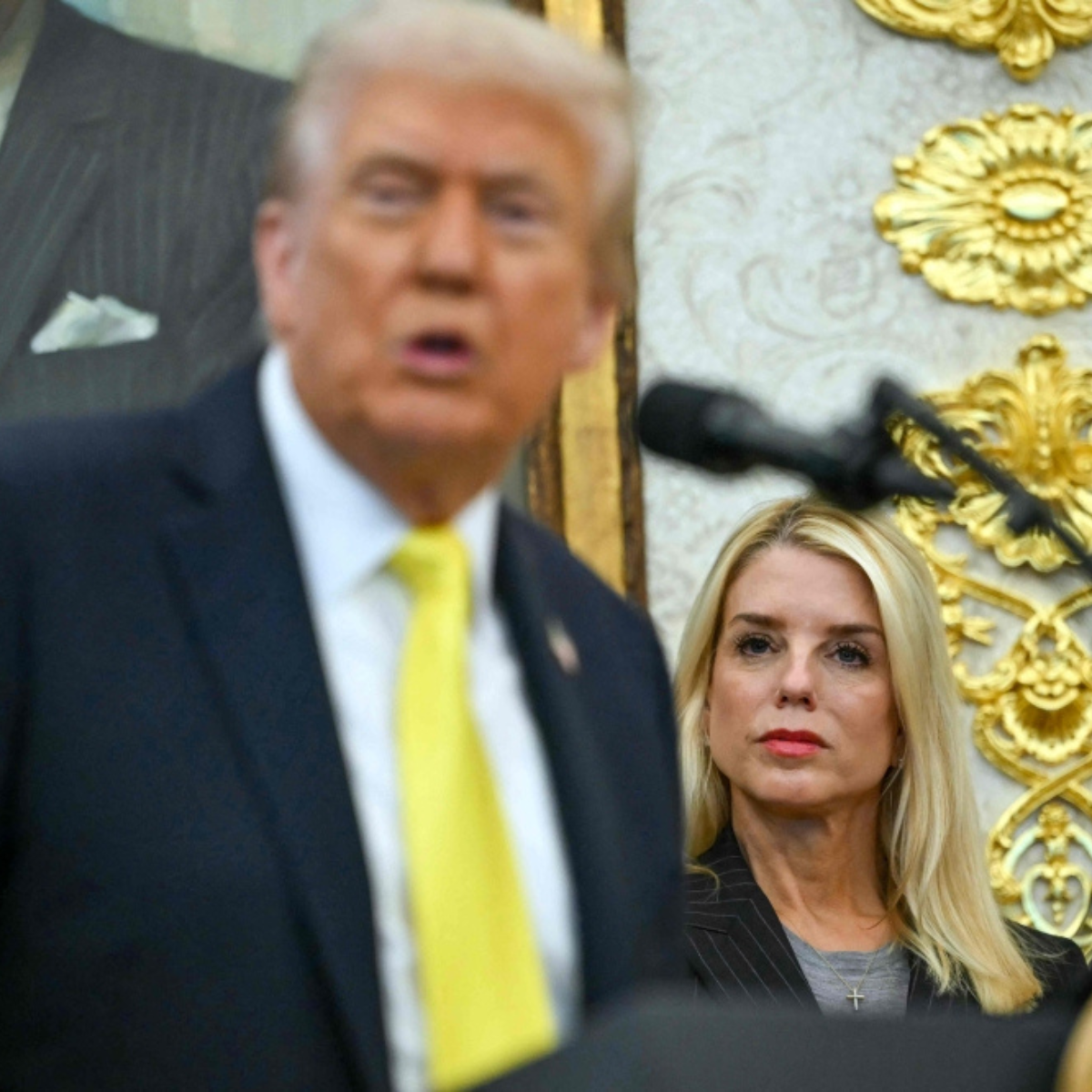
WASHINGTON, April 6 — US President Donald Trump issued a stark warning to Iran, threatening major strikes on civilian infrastructure if Tehran does not reopen the Strait of Hormuz amid rising global oil prices.

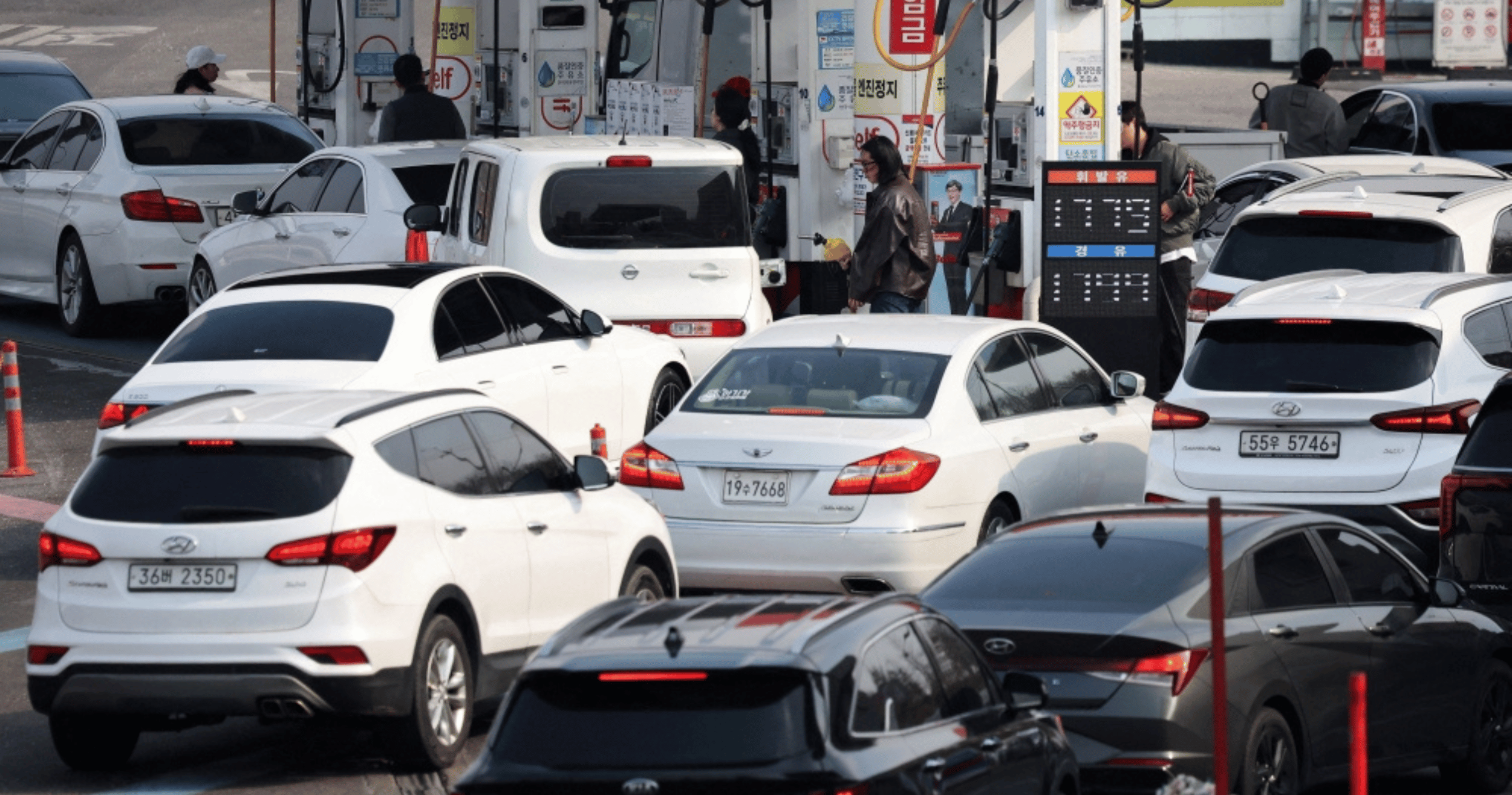
SEOUL, March 30 — South Korea is considering expanding driving restrictions to the general public if global oil prices continue to rise, senior officials said, as the government moves to curb energy demand amid supply pressures linked to the US-Israel conflict with Iran.


SEOUL, March 30 — South Korea is considering expanding driving restrictions to the general public if global oil prices continue to rise, senior officials said, as the government moves to curb energy demand amid supply pressures linked to the US-Israel conflict with Iran.
Finance Minister Koo Yun-cheol said the state could extend passenger vehicle limits beyond public institutions if crude oil prices climb to around US$120–US$130 (RM484–RM524) per barrel, compared with the current US$100–US$110 range.
If implemented nationwide, it would be the country’s first general driving restriction since the 1991 Gulf War, when a 10-day vehicle rotation system was introduced to conserve fuel.
Koo said on a local broadcast that if tensions in the Middle East worsen, South Korea could raise its resource security alert to the “warning” level—the third-highest in its four-tier system—at which point consumption controls may be necessary.
He also said the government is reviewing additional fuel tax reductions to help ease household financial pressure.
In a separate statement on Monday, the finance ministry said mandatory driving curbs for the private sector remain undecided, stressing that any measures would depend on energy supply conditions and wider economic factors.
South Korea relies on the Middle East for about 70 per cent of its crude oil imports, leaving it highly vulnerable to supply disruptions and price volatility. Last week, authorities introduced a mandatory five-day vehicle rotation system for public-sector workers based on licence plate numbers.
Energy Minister Kim Sung-whan said last Thursday that tighter demand-control measures are under review if the alert level rises further, including broader driving restrictions and voluntary fuel-saving efforts by companies.
Major conglomerates such as Samsung Electronics and SK Group have also encouraged employees to reduce private car use and adopt energy-saving practices.
Lawmakers and senior officials have joined public conservation efforts, posting on social media about using public transport and bicycles to set an example.
Kim also moved to calm panic buying of waste bags, noting that more than half of local governments have over six months’ supply, and that regular bags could be used for waste disposal in a worst-case scenario.
Meanwhile, South Korean President Lee Jae Myung has urged an accelerated shift toward renewable energy and electric vehicles, warning that the energy situation is “so severe that even I can’t sleep at night.” — Reuters
WASHINGTON, April 6 — US President Donald Trump issued a stark warning to Iran, threatening major strikes on civilian infrastructure if Tehran does not reopen the Strait of Hormuz amid rising global oil prices.
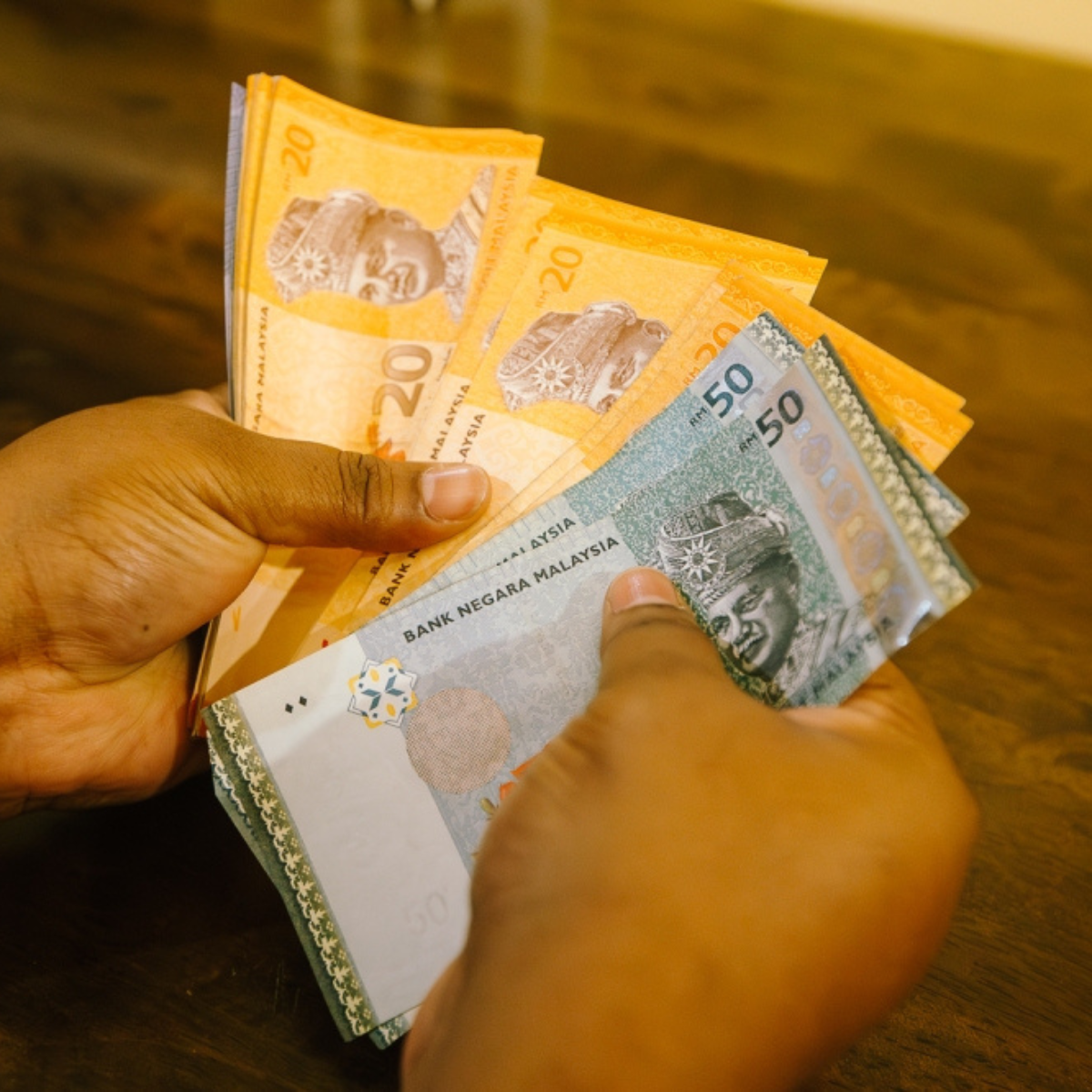
PUTRAJAYA, April 6 — The Ministry of Women, Family and Community Development (KPWKM) has halted grant payments to the Taman Wahyu Community-Based Rehabilitation Organisation (PPDK) in Kuala Lumpur following a probe into alleged mismanagement of funds and safety concerns involving trainees.
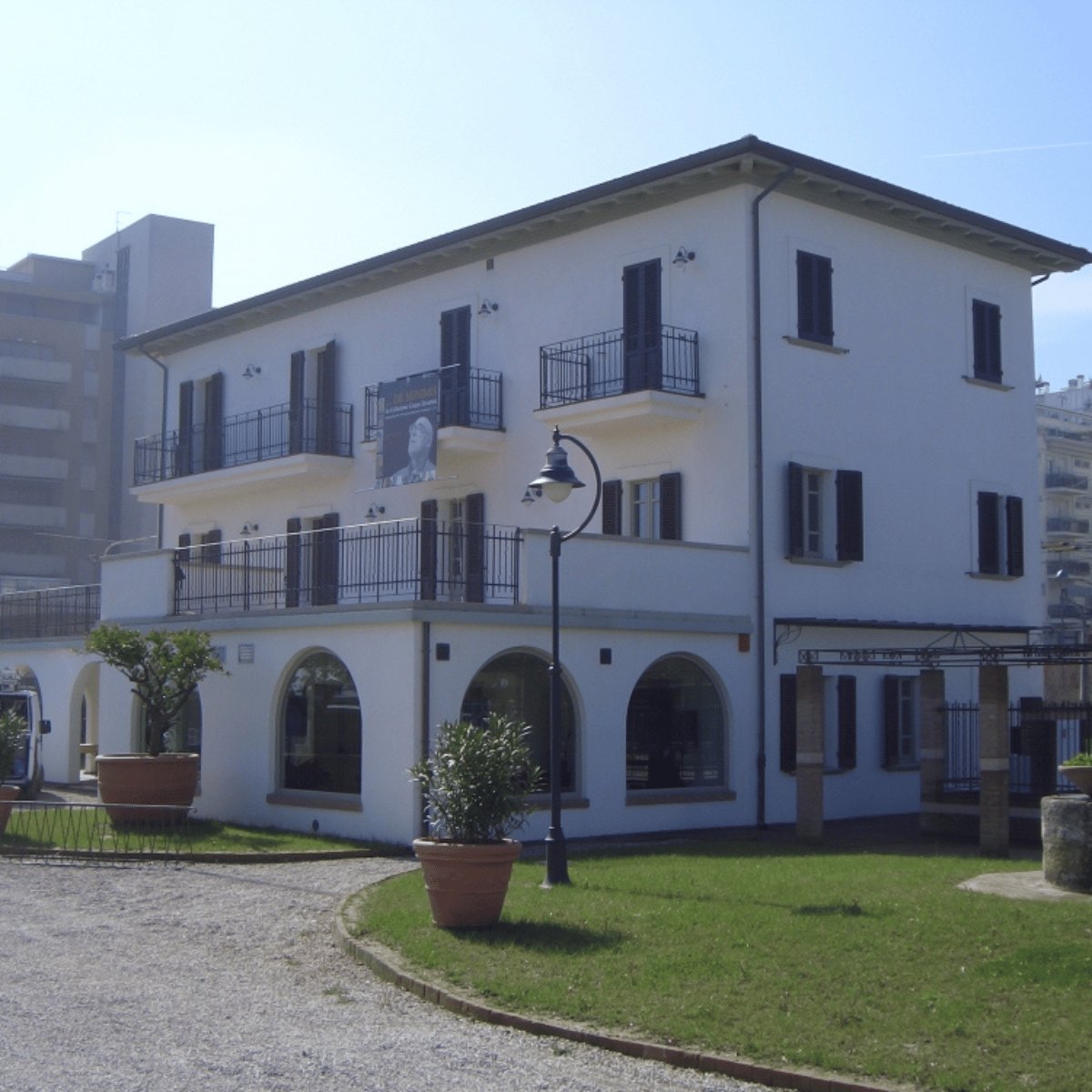
ROME, April 5 — The former seaside summer residence of Italian dictator Benito Mussolini has been sold for €1.2 million and is now owned by the local council, municipal officials confirmed.