June 13, 2026
World
World
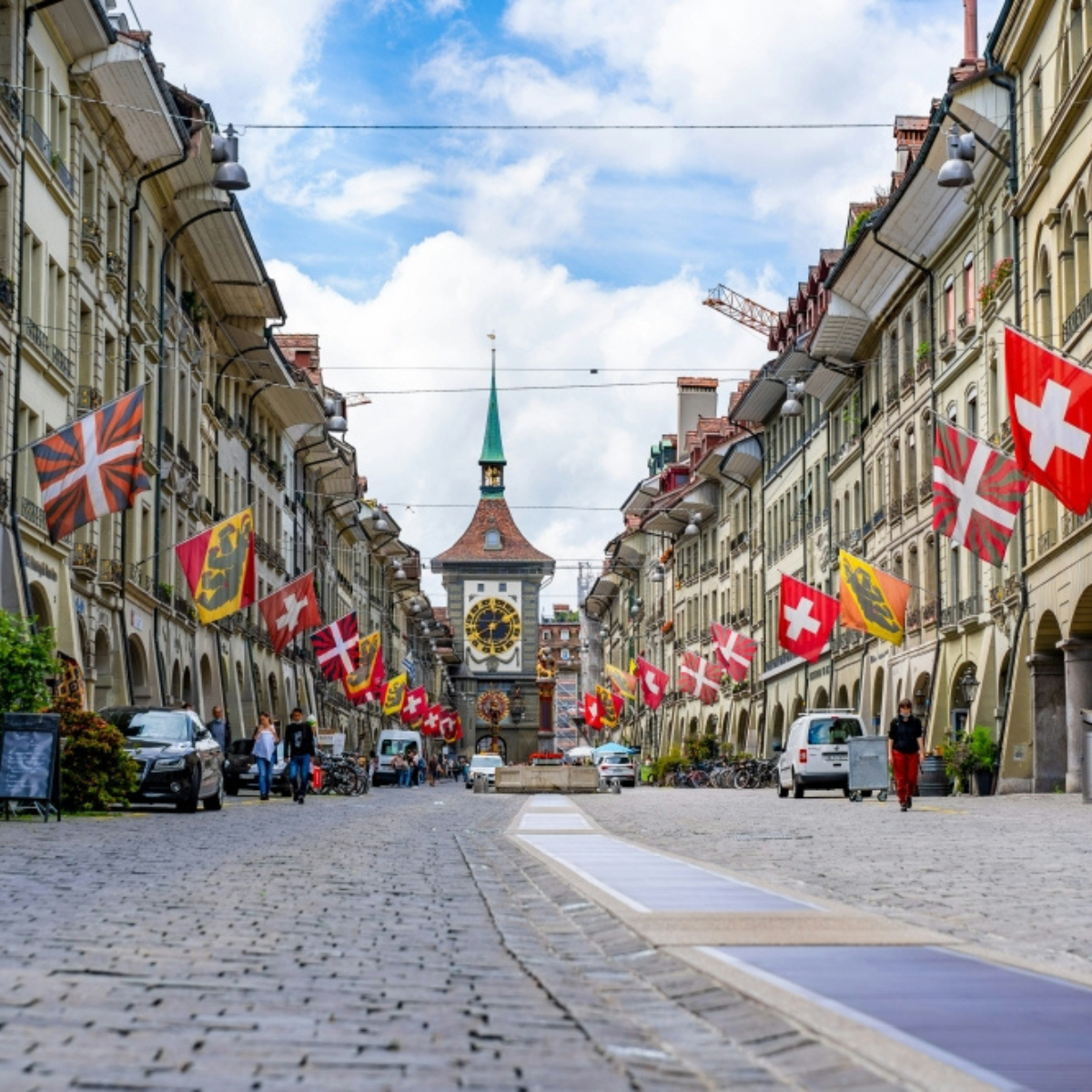
GENEVA, June 13 — Switzerland has offered to host the potential signing of a peace agreement between the United States and Iran, the Swiss foreign ministry told AFP on Friday.


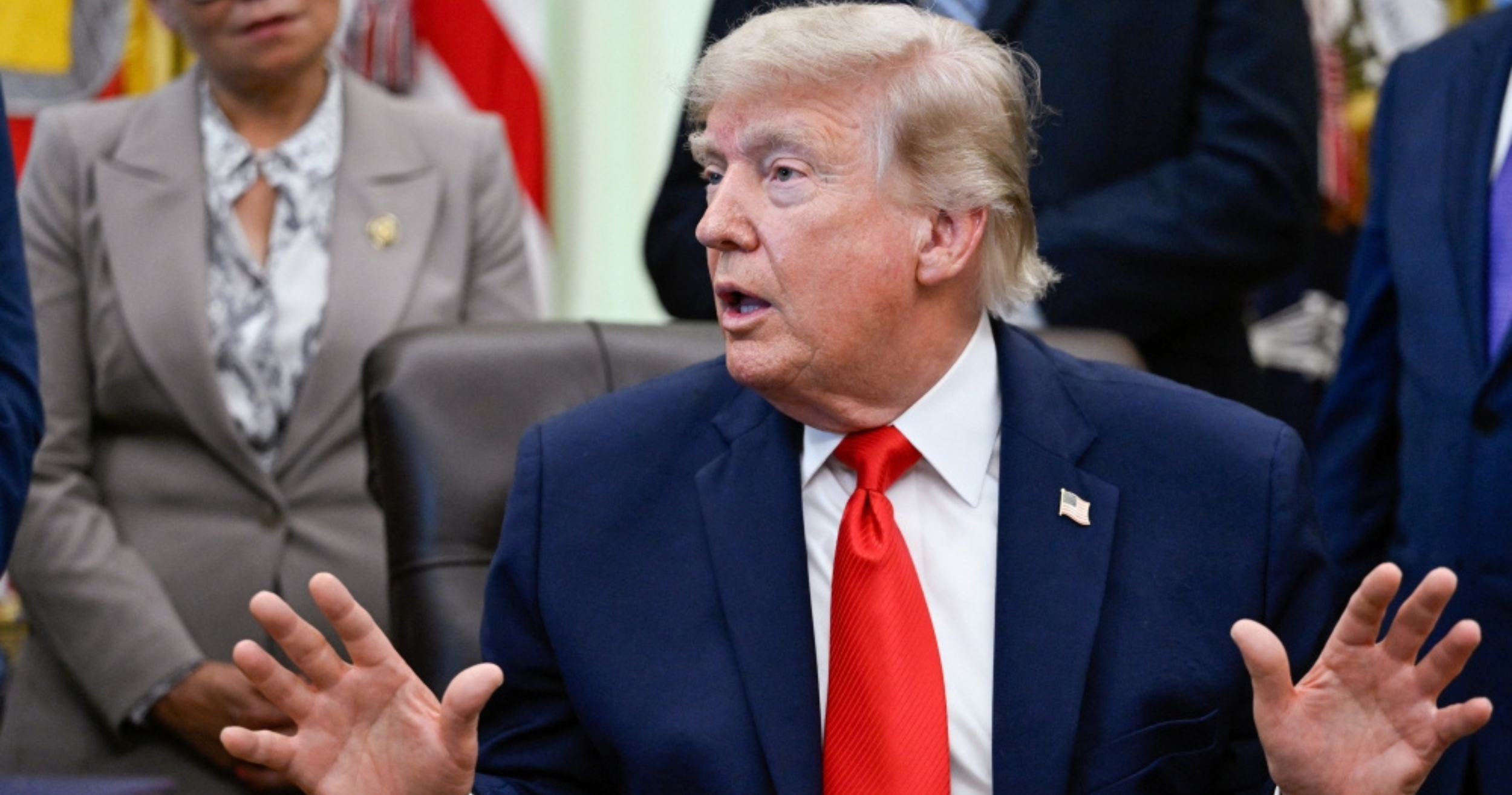
WASHINGTON, June 12 — US President Donald Trump yesterday lifted his threat of additional strikes on Iran and said a deal to end the war could be signed within days.


WASHINGTON, June 12 — US President Donald Trump yesterday lifted his threat of additional strikes on Iran and said a deal to end the war could be signed within days.
His announcement triggered a stock market rally while sending oil prices sharply lower, although Iran’s position remained uncertain, with foreign ministry spokesperson Esmaeil Baqaei saying Tehran “had not reached a final conclusion on the agreement.”
Trump said negotiations with Iran had been “brought to the highest level of Iranian leadership and approved,” adding that he had “cancelled the scheduled strikes and bombings against Iran this evening.”
“The time and place of the signing will be announced shortly,” he said.
He added that key details of the agreement had been approved by the United States and regional allies, including Israel, which Washington jointly supported in the conflict that began in February.
However, Iran’s Tasnim news agency noted that Trump had claimed an imminent deal 38 times over the past two months, warning that until Tehran confirms any understanding, his statements should be treated as unreliable.
Trump later reiterated to reporters that he believed Iranian Supreme Leader Ayatollah Mojtaba Khamenei had approved the deal.
Prime Minister Benjamin Netanyahu’s office said the Israeli leader had spoken with Trump, who pledged that any memorandum would require the removal of Iran’s enriched nuclear material and dismantling of missile infrastructure.
The World Bank earlier lowered its global growth forecast to levels not seen since the COVID-19 pandemic, citing rising economic risks from the conflict.
Markets surged and oil futures fell more than three percent following Trump’s comments.
The war, which began on February 28 with US-Israeli strikes on Iran, paused under an April truce, though efforts toward a permanent settlement have stalled.
Trump also suggested that back-channel mediation involving US allies such as Pakistan and Qatar may have contributed to progress, despite previously warning of imminent heavy strikes.
He added that “discussions and final points” had been agreed in principle by all parties, including the United States, Israel, and Gulf states.
Just a day earlier, he had threatened intensified airstrikes and even suggested targeting Iran’s oil export facilities.
Meanwhile, tensions remained high, with Kuwait reporting that Iranian strikes damaged airport radar and forced an airspace closure.
Iranian General Ali Abdollahi warned that any US attack would trigger a stronger response and widen the regional conflict.
Civilians in Tehran expressed skepticism over a potential deal, citing worsening economic conditions and deep political divisions.
Iran has also renewed warnings over the Strait of Hormuz, a key global energy route, saying it would remain closed until further notice, further unsettling energy markets. — AFP
GENEVA, June 13 — Switzerland has offered to host the potential signing of a peace agreement between the United States and Iran, the Swiss foreign ministry told AFP on Friday.
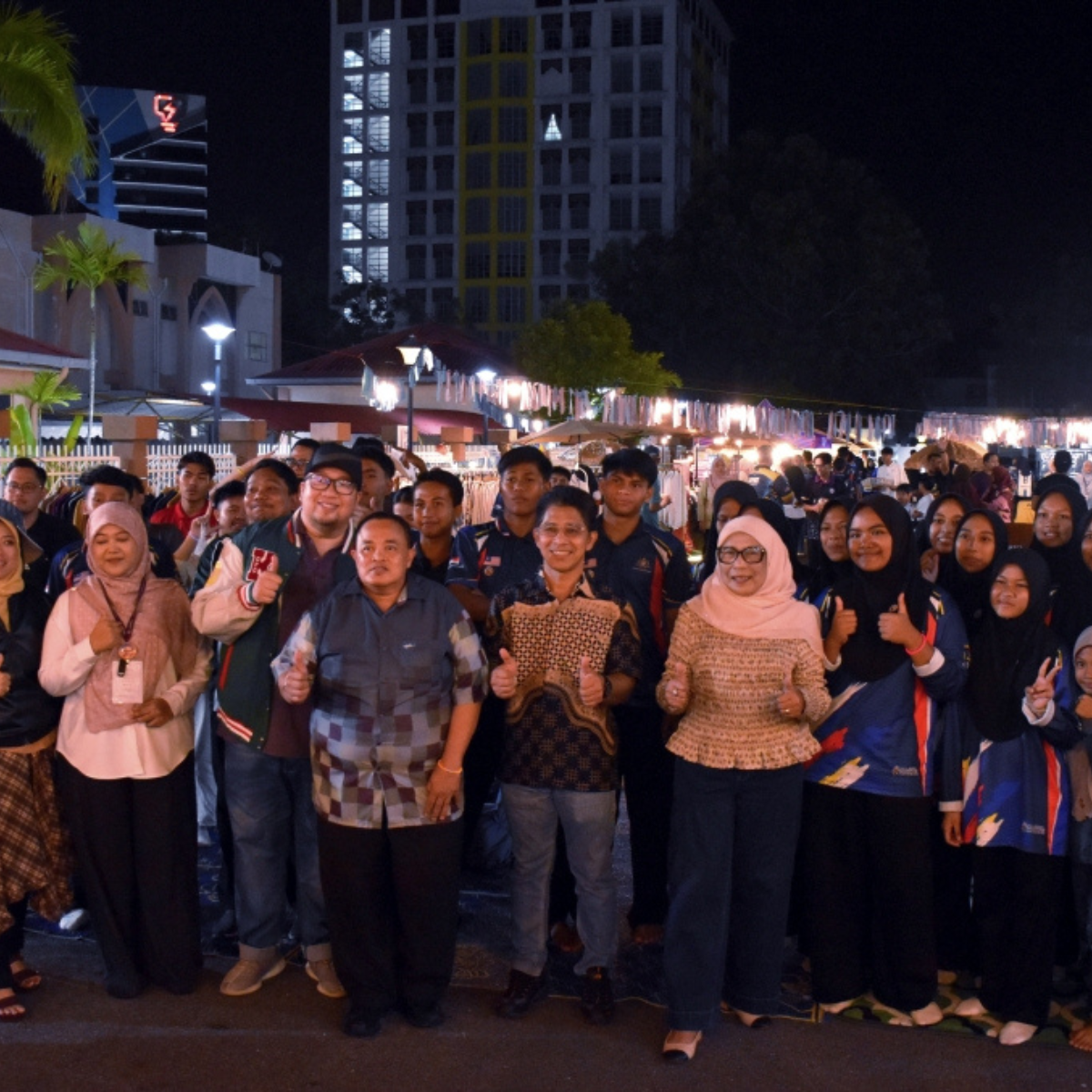
MELAKA, June 13 — A total of 1,318 women aged between 40 and 70 in Melaka have benefited from free mammogram screenings this year through the National Population and Family Development Board (LPPKN) Mammogram Subsidy Programme.
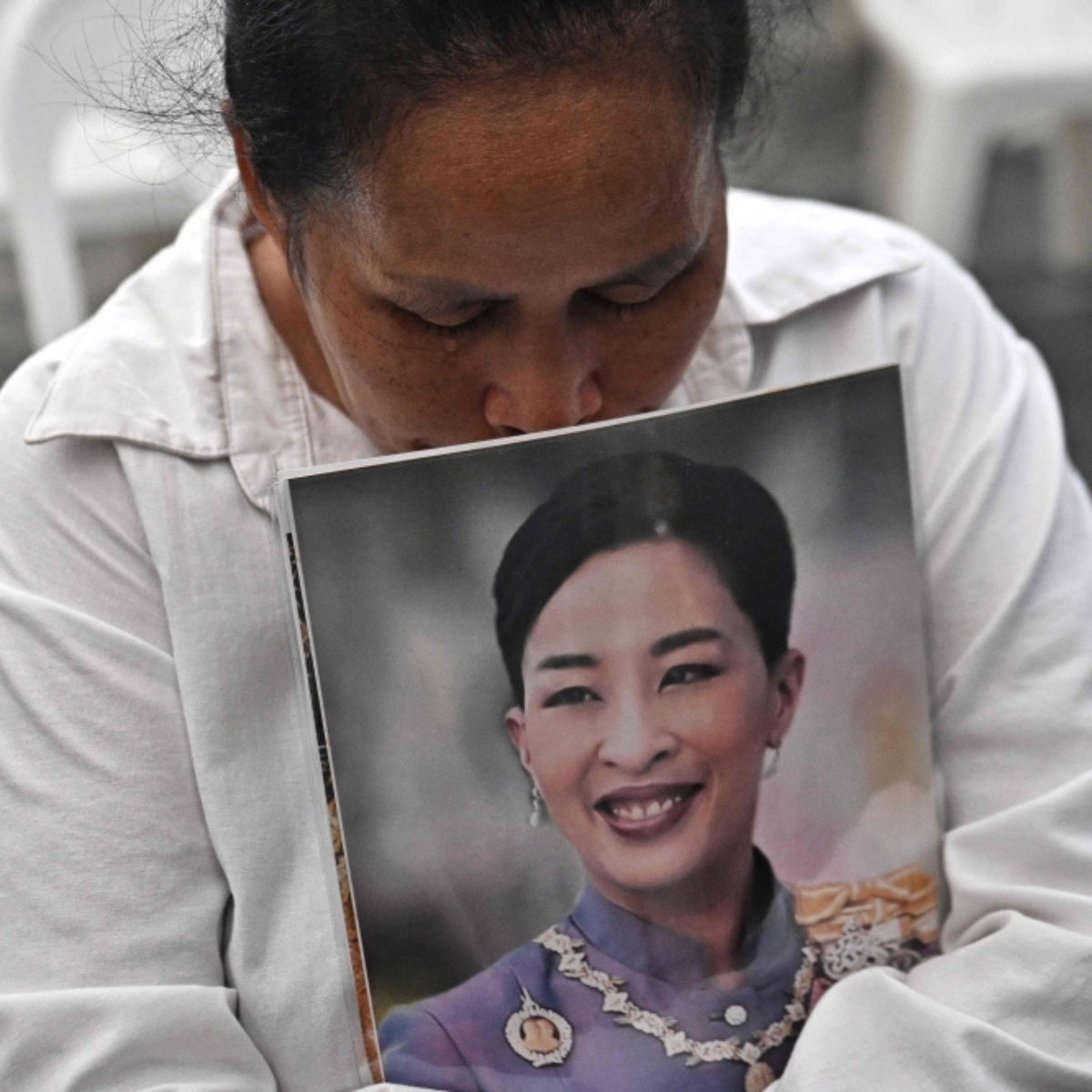
BANGKOK, June 12 — Thailand’s Princess Bajrakitiyabha Narendira Debyavati, the eldest daughter of King Maha Vajiralongkorn, has died at the age of 47, the royal palace said today, following multiple health complications and nearly four years in a coma.