Trump’s ‘vibes war’ highlights the instinctive and emotion-driven approach behind America’s messaging on its conflict with Iran.
WASHINGTON, March 8 — The United States has been drawn into its most serious conflict in years under President Donald Trump, and even officials at the White House admit it’s driven more by instinct than by clear reasoning.
WASHINGTON, March 8 — The United States has been drawn into its most serious conflict in years under President Donald Trump, and even officials at the White House admit it’s driven more by instinct than by clear reasoning.
In the first week of the military campaign against Iran, the president has often seemed guided by impulse rather than detailed explanations.
“I hope you’re impressed,” Trump, known previously as a reality TV host, told an ABC News reporter on Thursday. “How do you like the performance?”
Official government social media accounts have shared clips of the operation styled like video game footage, complete with dramatic captions more fitting for an action movie.
“Maybe this is the first war ever started on vibes,” quipped American comedian Jimmy Fallon this week.
Reporters on Wednesday pressed White House press secretary Karoline Leavitt on what prompted the military intervention — which Trump directed from his Mar‑a‑Lago residence in Florida. She said the president acted because he “had a good feeling that the Iranian regime was going to strike United States assets and our personnel in the region.”
Experts have criticized how the Trump administration has communicated and justified the attack.
Sean Aday, a public relations professor at George Washington University, described the messaging as possibly the “worst” he’s seen from a U.S. government during war.
“It’s been incoherent, immoral, arrogant and at times involving outright fabrication,” he told AFP.
Aday compared it to former president George W. Bush’s approach during the 2003 Iraq invasion, when his administration spent more than a year trying to persuade the public the war was necessary.
Former U.S. diplomat Richard Haass noted Trump has sidelined formal national security channels, spending much of the past year weakening the institutions that usually guide such decisions. The National Security Council, which helps shape strategic policy, has been significantly reduced since Trump returned to office in January 2025. Marco Rubio now holds both the secretary of state and national security adviser positions, roles that were previously separate.
Trump himself has been vague about both why the U.S. entered the conflict and what the end goals are. Rather than formal press briefings, he has given brief phone interviews that have produced conflicting statements.
While senior officials insist Washington is not aiming to topple Iran’s government, Trump has said he wants a role in choosing Iran’s next supreme leader after the death of Ayatollah Ali Khamenei.
Economic concerns over the conflict’s impact on oil prices — now rising sharply — have been brushed aside by the president, even though that could be politically damaging ahead of the U.S. midterm elections.
A poll released Wednesday by NBC shows a majority of U.S. voters oppose the military action in Iran — a stark contrast to the high initial support for the wars in Afghanistan and Iraq, though opinion in those conflicts later declined as they continued. — AFP
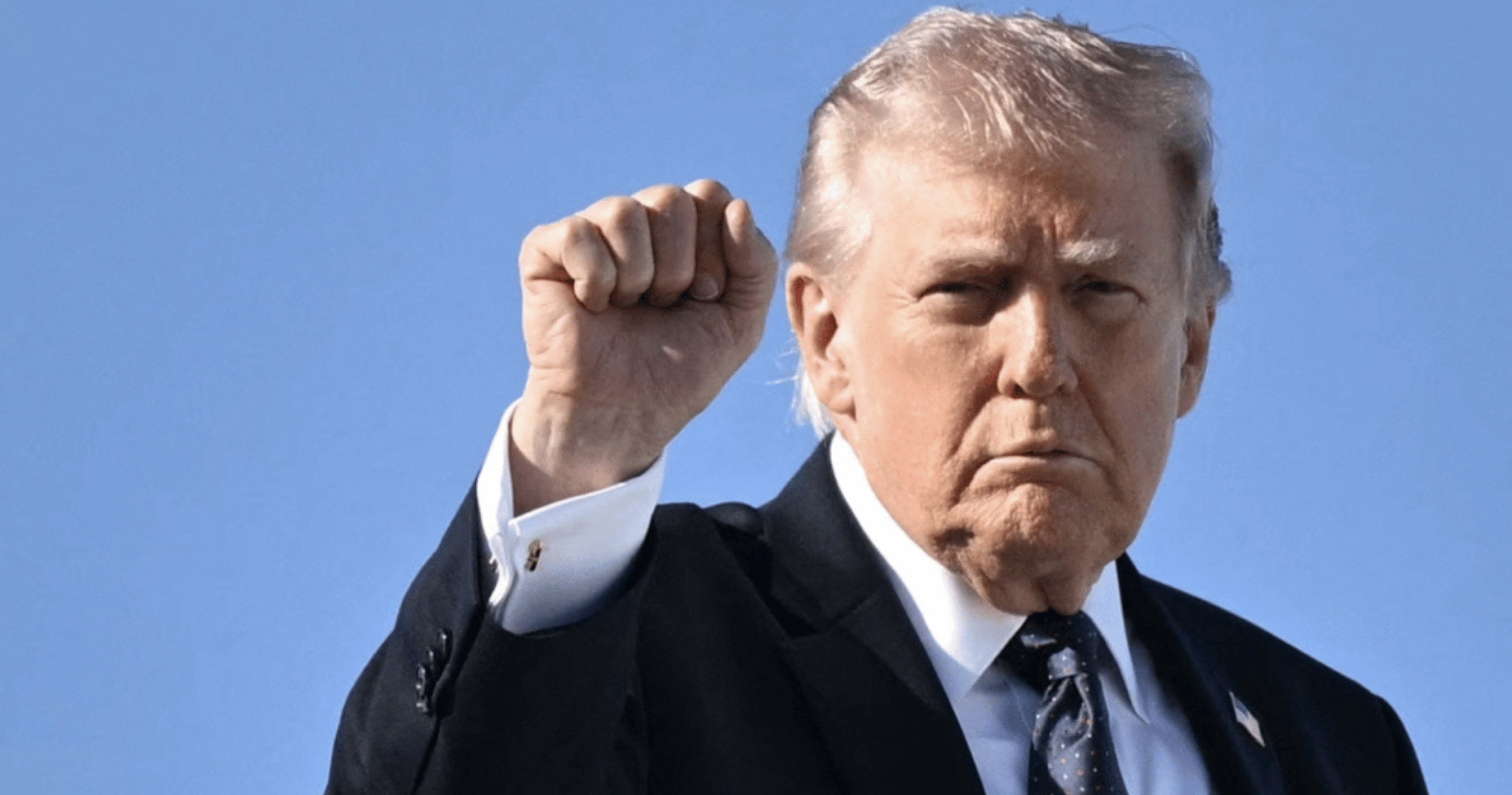
US President Donald Trump gestures as he boards Air Force One before departing Palm Beach International Airport in West Palm Beach, Florida, on March 1, 2026, on his way back to Washington, DC. — AFP pic
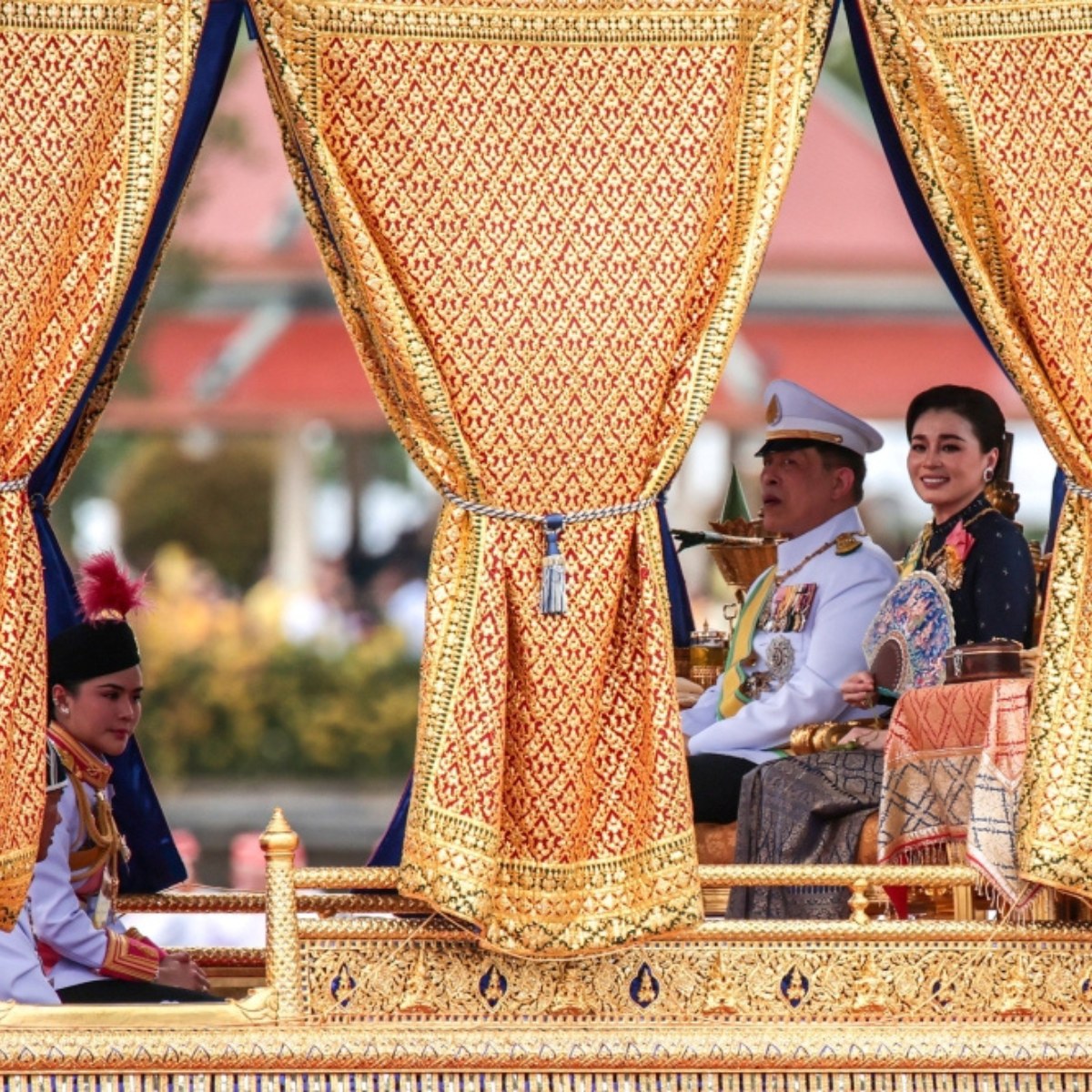
BANGKOK, April 24 — Thailand’s Supreme Court on Friday agreed to hear a petition accusing 44 current and former opposition lawmakers of ethics violations over their 2021 move to amend a law protecting the monarchy from criticism, according to Thai media reports.
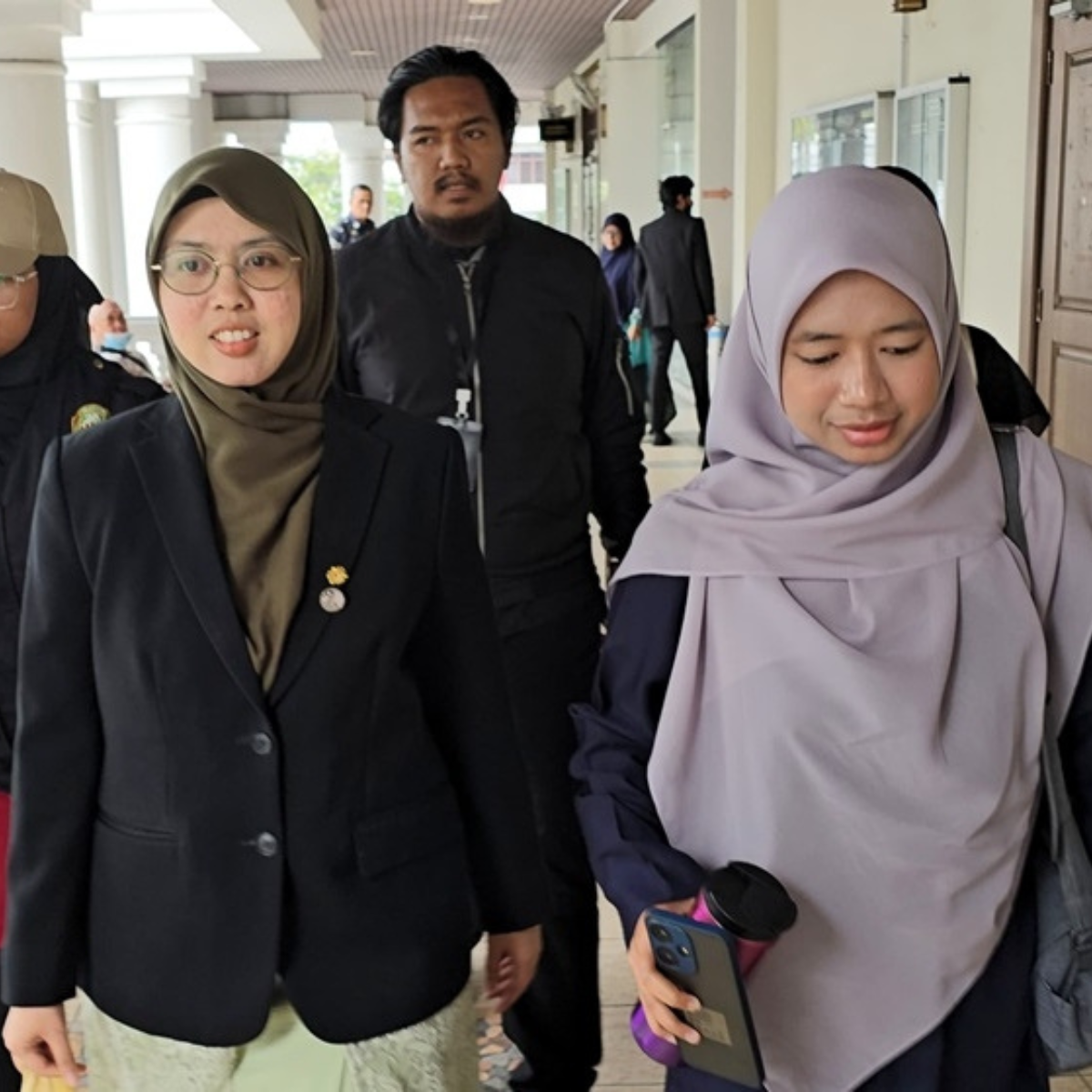
PUTRAJAYA, April 24 — The Court of Appeal today dismissed Kepala Batas MP Dr Siti Mastura’s appeal against a High Court ruling ordering her to pay RM825,000 in damages and costs for defaming three DAP leaders by linking them to former Communist Party of Malaya leader Chin Peng.
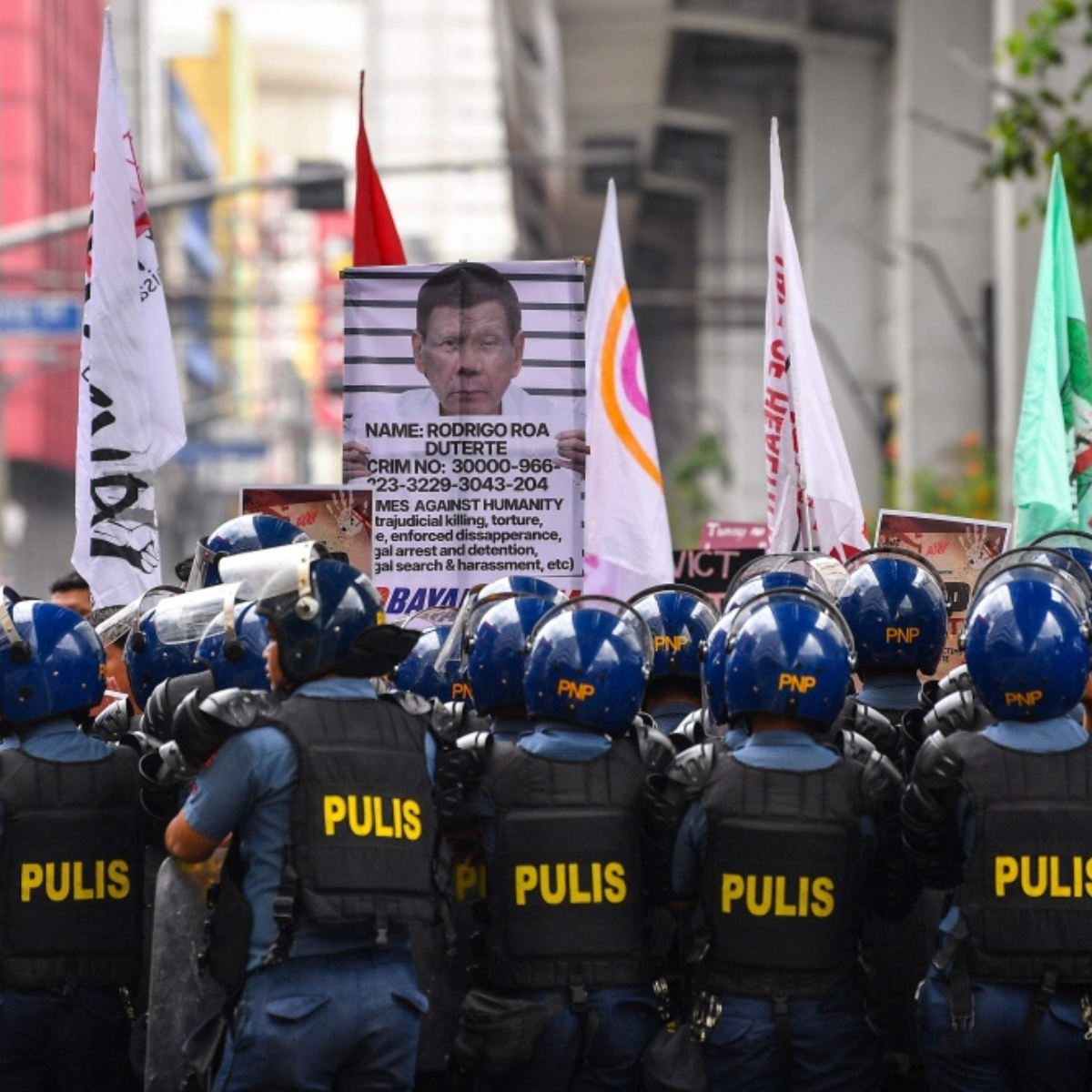
THE HAGUE, April 23 — Former Philippines president Rodrigo Duterte will stand trial at the International Criminal Court after judges on Thursday confirmed charges of crimes against humanity over his controversial “war on drugs.”