Inter Milan go nine points clear after a dramatic 4-3 comeback victory over Como.
KUALA LUMPUR, April 12 — Even tofu, long regarded as an affordable substitute for meat, is now feeling the strain after weeks of steep diesel price increases.
KUALA LUMPUR, April 12 — Even tofu, long regarded as an affordable substitute for meat, is now feeling the strain after weeks of steep diesel price increases.
In parts of the capital, prices of tofu and soya-based products have risen by nearly 10 per cent since April 7, with traders forced to pass the higher costs on to consumers.
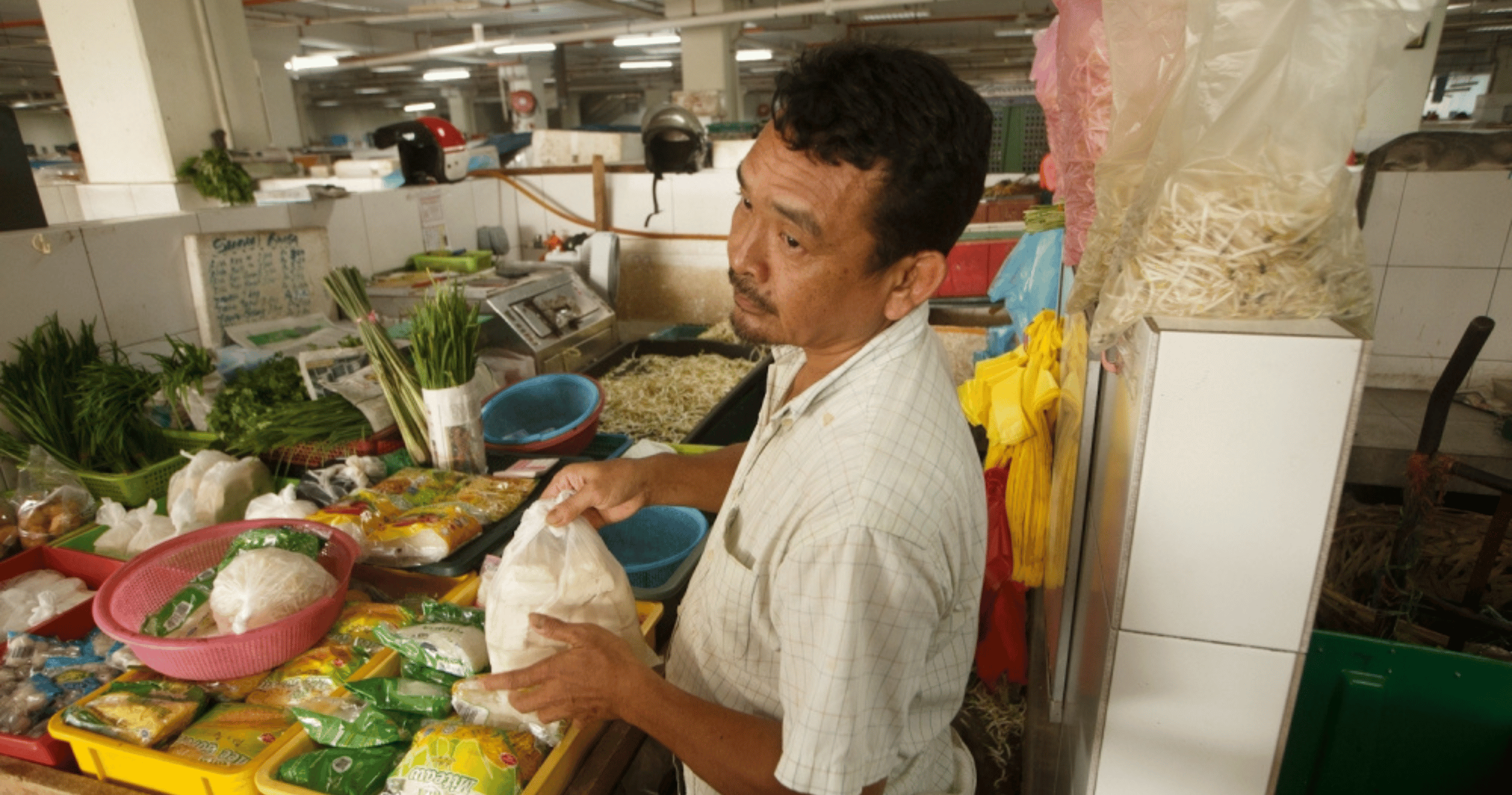
Kamol Cheng Thean, a trader at Pasar Harian Selayang, said prices for various types of tofu — including dry, fresh, fried, and five-spice — have gone up by 10 sen per piece, while pressed tofu has increased by 20 sen per piece.
He added that soya bean drinks are now selling at 50 sen more per kilogram.
“Previously, one piece of tofu was about 50 sen, but now I have to sell it at 60 sen.
“The supplier hasn’t confirmed if prices will rise further, but if fuel costs continue increasing, tofu prices will follow,” said the 55-year-old trader.
Malaysia relies heavily on imported soybeans, mainly from the United States, for producing tofu, soya drinks, and poultry feed.
Global factors such as rising fertiliser costs, supply disruptions at the Strait of Hormuz, and increased packaging expenses have also driven soybean prices higher.
On the domestic front, diesel prices in Peninsular Malaysia have surged from RM2.99 per litre in mid-February to a record RM6.72 per litre last week.
Cheaper vegetables, but weak demand
Despite higher fertiliser costs and the lack of price controls, vegetables at Pasar Harian Selayang — one of Kuala Lumpur’s largest supply hubs — remain relatively affordable.
Spinach (bayam) and kangkung are priced at around RM2.50 per kg, while cabbage and sawi sell for about RM3 to RM4 per kg.
However, the market’s traders’ association vice-chairman, Sum Sing, noted that small cucumber prices have jumped from RM3 per kg last week to RM5 per kg, while larger cucumbers now cost around RM4 per kg.
Vegetable vendor Uma Pathy Marutapa attributed the increase to lower yields caused by recent dry spells and heatwaves, which may have led to early flower drop.
She added that suppliers have warned of further potential price hikes if diesel costs continue to rise.
Still, Uma said her main concern is the sharp decline in customer traffic.
“I only earn about 50 sen profit per kilogram for each vegetable, and prices fluctuate constantly.
“But the bigger issue is fewer customers coming to our section, as many prefer buying from roadside sellers outside the market,” she said.
Outside the market, conditions are no better.
A Burmese seller known as Cho said his business now depends largely on supplying vegetables to restaurants, as fewer households shop at wet markets.
Despite offering tomatoes and kangkung at prices as low as RM1.50 per kg, baskets of fresh produce remain unsold outside his stall opposite the market.
“Families prefer supermarkets nowadays instead of wet markets.
“Even if I sell cheaper by the roadside, there are still very few buyers,” he said.
Kamol Cheng Thean, a trader dealing in vegetables and soy-based products at Pasar Harian Selayang, said prices for soya bean drinks have risen by 50 cents per kilogram since April 7. — Photo by Raymond Manuel
TEHRAN, April 13 — Iran’s military has described a US naval blockade due to take effect today as illegal and equivalent to piracy, warning that no ports in the Gulf would remain secure if its own facilities were threatened.
PONTIAN, April 13 — Police have uncovered a drug distribution method involving e-hailing services following the arrest of a suspected mule during an operation last Friday.
WASHINGTON, April 12 — A US federal appeals court has allowed President Donald Trump’s US$400 million (RM1.5 billion) White House ballroom renovation to proceed temporarily, while also calling for clarification on national security concerns raised by a lower court.